TR TR
Stinga Enerji A.Ş.
Stinga Activated Carbon
🧪 Stinga Enerji — Product Catalog

Stinga
Activated
Carbon

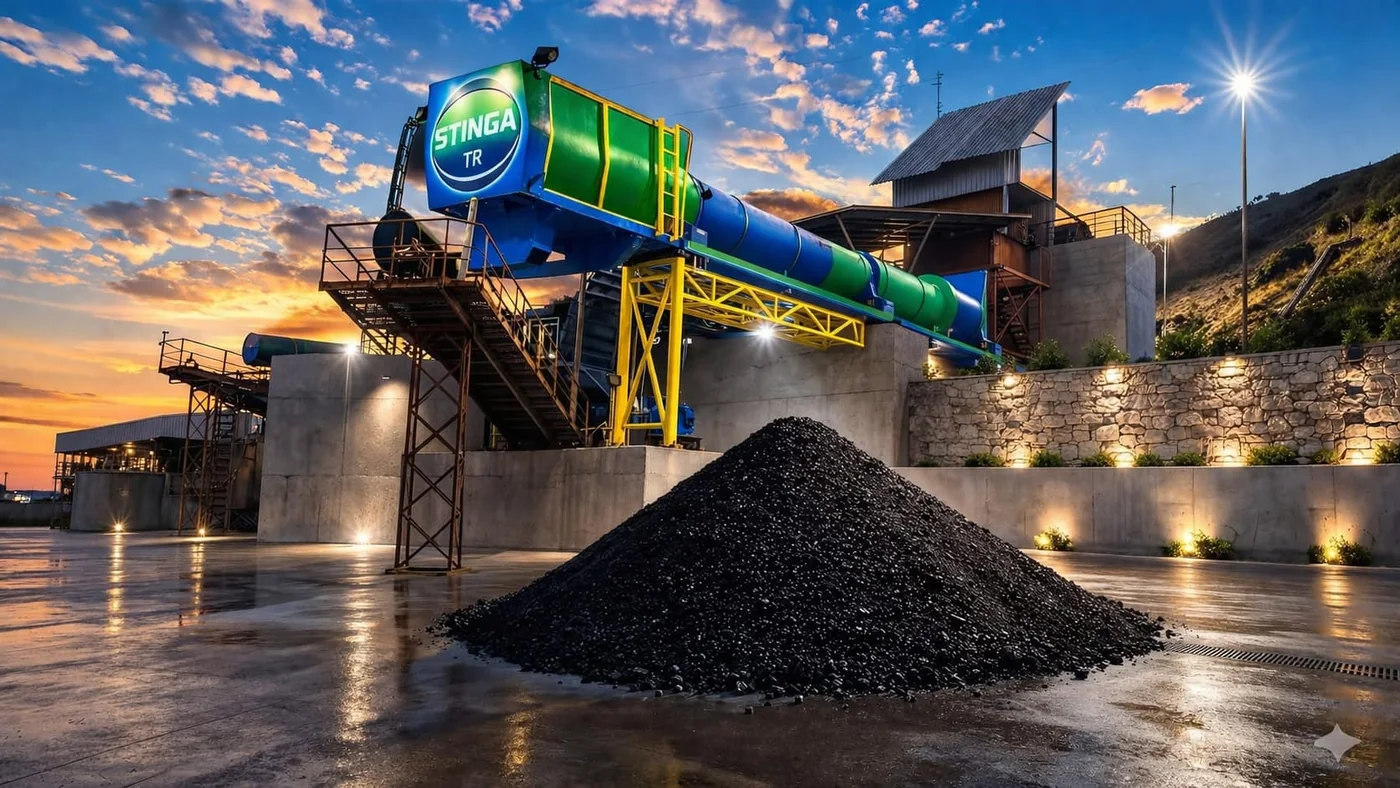
In our own reactor, from domestically developed raw material

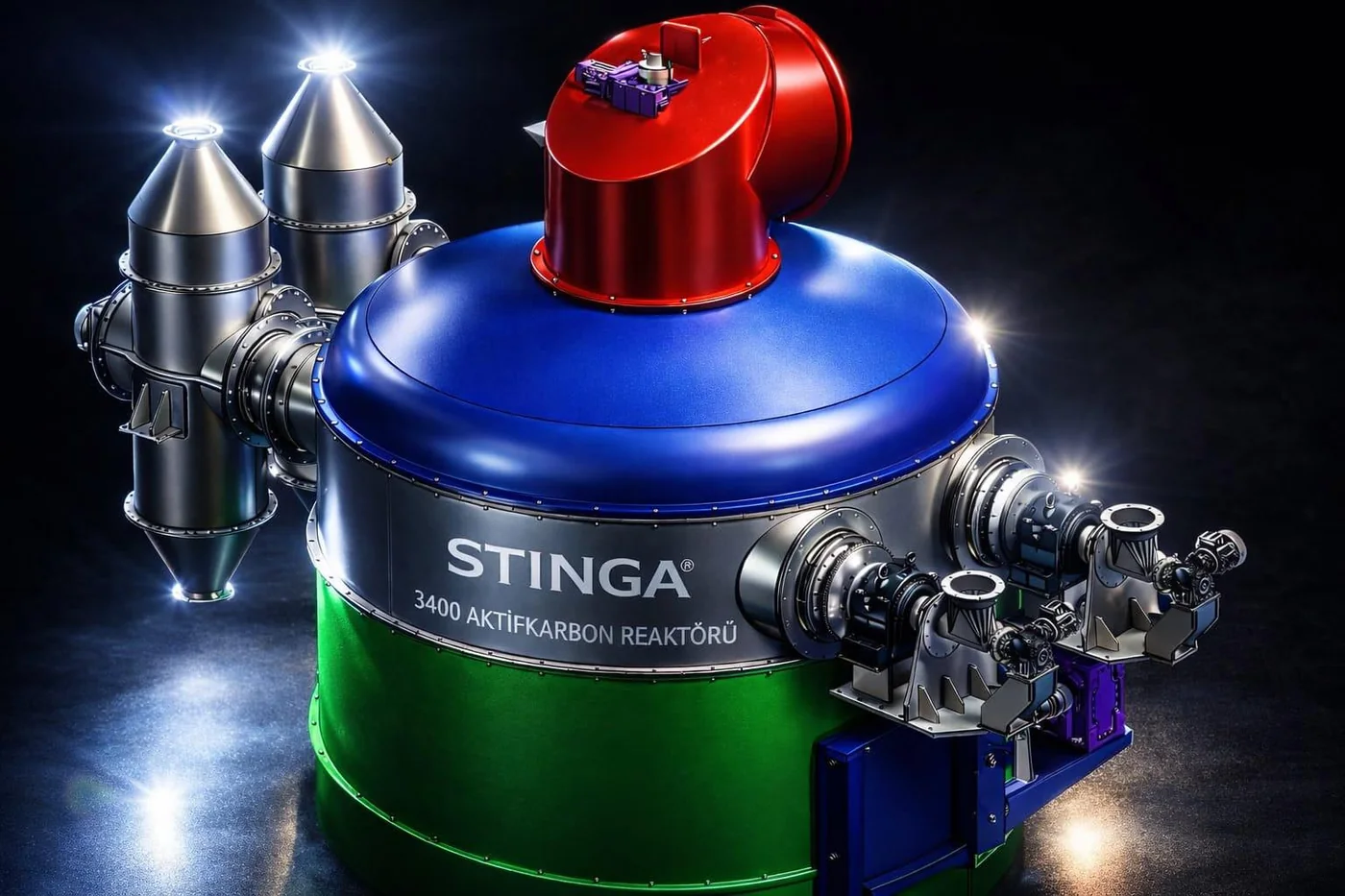
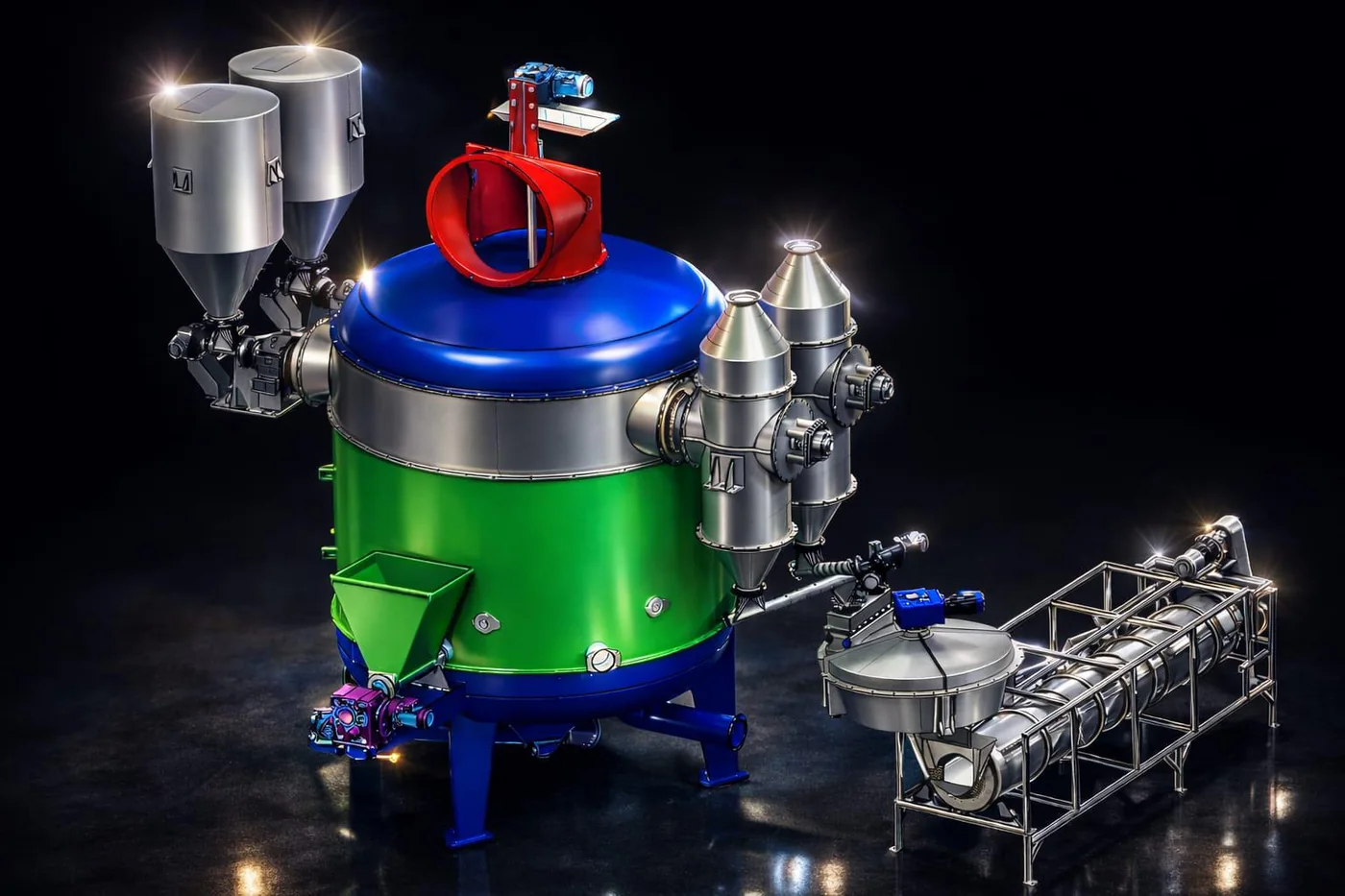
The Stinga Ø3400 Activated Carbon Reactor carbonizes dried sewage sludge in an oxygen-free environment and activates it with steam at 850 °C. The volatile gases released are not discarded; they return to the system as energy.

850°CSteam
Activation
%100Domestic
Production
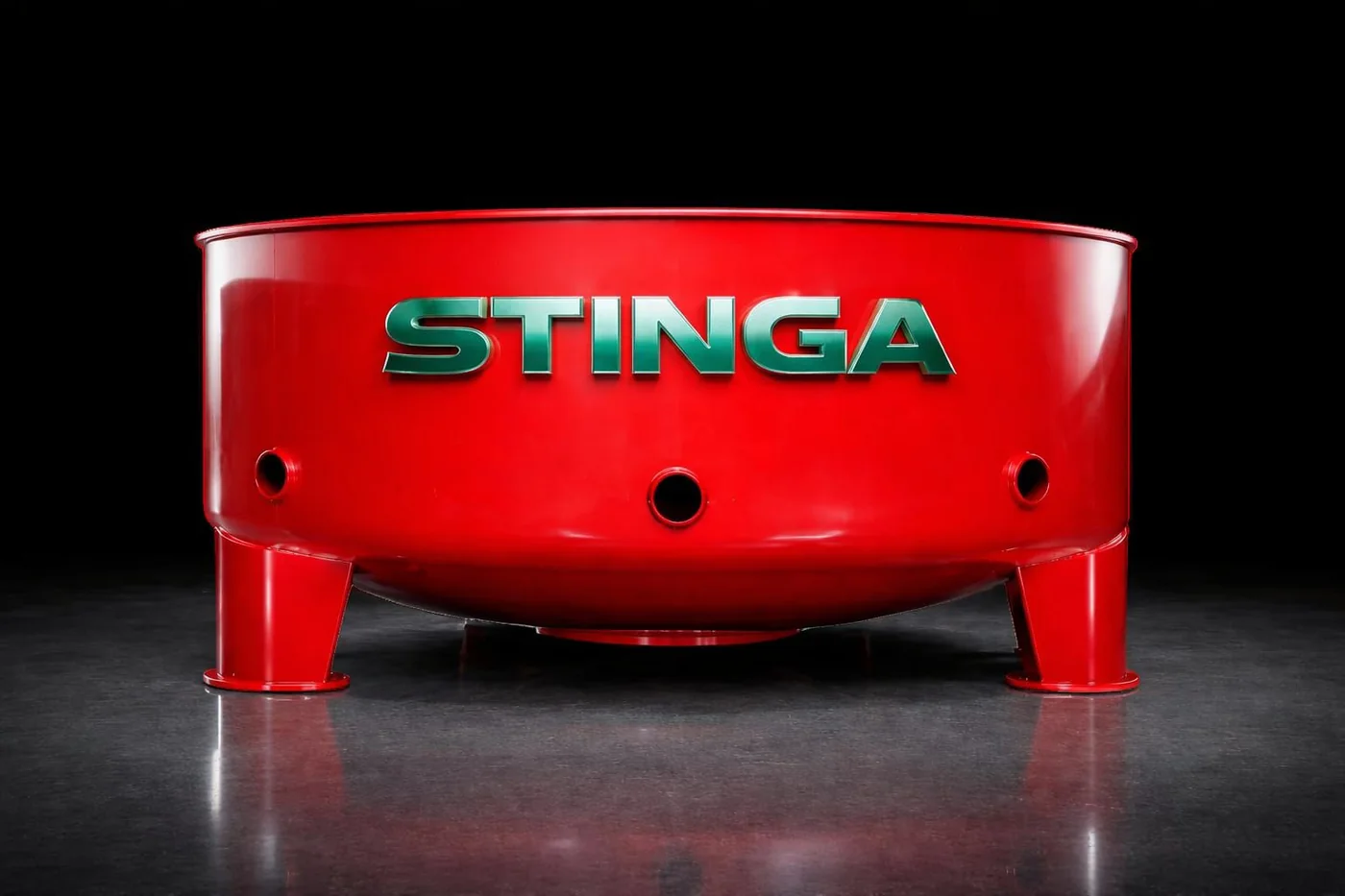
Stinga Ø3400 Activated Carbon Reactor
Ø3400 Activated Carbon Reactor

Activated Carbon
What Is It?

Activated carbon is a highly porous material obtained through high-temperature thermal decomposition and activation of organic raw materials. Stinga Enerji carries out this process with reactors it designed itself; the volatile portion of the raw material is also converted into energy.

Key feature: The internal surface area in 1 gram of activated carbon typically ranges from 500–1,750 m², depending on the raw material and activation conditions. Product characteristics (surface area, iodine number) are determined by laboratory analysis for each batch.

This large internal surface area gives activated carbon the capacity to adsorb large amounts of gas and liquid.
Cycle from sludge to clean water
1Sewage Sludge Is Dried
2The dry product goes to the activated carbon unit
3Oxygen-free carbonization and 850 °C steam activation
4Activated carbon cleans wastewater in the treatment plant
Capacity and product values are finalized on a project basis, according to sludge analysis.
Stinga Ø3400 Activated Carbon Reactor
Feed silos · dried sludge
Reactor · oxygen-free carbonization
Activation lines · 850 °C
Product output · activated carbon

Ø3400 Activated Carbon
and Gas Unit

Two activation lines installed on top of the reactor carbonize and activate dried sewage sludge in the same unit. The volatile hydrocarbons released during the process first meet the reactor's own fuel needs; the remaining gas can be utilized in a steam boiler and transferred to electricity generation.

Dry SludgeRaw Material
Oxygen-freeCarbonization
850 °CSteam Activation
WastewaterApplication Area

R&D and pilot production: Since 2022, activated carbon production work has been ongoing in the pilot system at the Stinga R&D Facility.

Capacity and product values are finalized on a project basis, according to sludge analysis.

Which form, for which use?
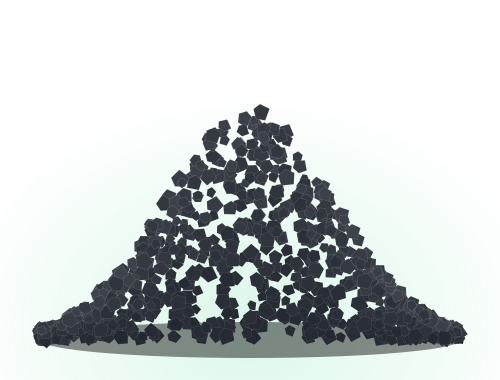
Granular activated carbon drawingGranule

Granular Activated Carbon

GAC · Water and Filtration

Granular activated carbon is used in fixed-bed filters; it is common in wastewater and industrial water treatment, chlorine removal, and the retention of organic contaminants.
Wastewater TreatmentIndustrial Water TreatmentChlorine RemovalGold Mining
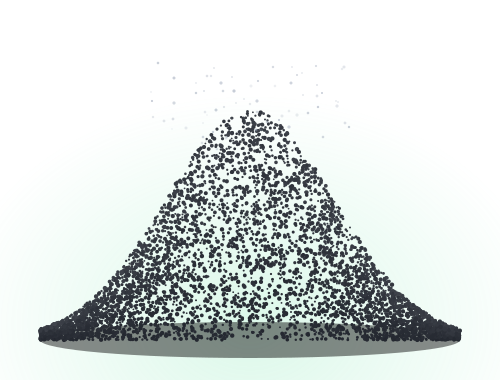
Powdered activated carbon drawingDust

Powdered Activated Carbon

PAC · dosing applications

Powdered activated carbon is used by direct dosing with its large surface area; it is preferred in wastewater treatment, in capturing heavy metals such as mercury from stack gas, and in industrial color and odor removal.

Wastewater TreatmentFlue gas (mercury) treatmentColor and Odor Removal
Water Treatmentwastewater, industrial water
Chemical & Industrydecolorization, solvent
Environment & BiogasH₂S, siloxane
Mininggold recovery
Technical Parameters

Product
Features

📐500–1750m²/g · Typical Surface Area
Typical range for activated carbon; the value is determined by analysis according to raw material and activation
🔬Micro
Meso
Pore Structure
Compatible with different molecule sizes through both micro and mesopore structures
⚗️HighChemical Stability
Activated carbon is generally stable against acids, bases, and organic solvents
🌡️850°CSteam Activation
The pore structure is developed with superheated steam at a controlled temperature
Circular use: Activated carbon produced from sludge cleans wastewater
Reactivation: Suitable for reactivation after use
Granular and powder forms: Suitable for different filtration applications
Stinga reactor: Sustainable production with its own reactors
Quality control: Control of raw material, intermediate product, and finished product
Energy recovery: Volatile gases can be converted into steam and electricity

Production
Process

Dried sewage sludge is carbonized in an oxygen-free environment in the Stinga reactor and activated with steam at 850 °C. The product is sized in a seven-step line; the volatile gases are converted into energy.

Dry Sludge ReceptionDried sewage sludge is fed into the line
Volatile Gas SeparationOxygen-free carbonization
850 °C ActivationPore structure is developed
Superheated Steam ShockSteam Showering
Washing & SizingProduct Is Sized
105 °C DryingSecond activation and drying
Cooling & PackagingAnalysis and Shipment
Product Line Volatile gas: first the reactor's own fuel, the rest energy

Let's build the activated carbon plant
together

Are you planning a plant that produces activated carbon and energy from your sewage sludge? Share your sludge amount and target capacity; let our engineers prepare a customized preliminary feasibility study.
Audio Reading
0:00 --:--
Speed:
01 / 01
⬇
AI
Our Services
Industrial Machine
Activated Carbon
Mining
Coal Drying
Wood Chips Drying
Bentonite Drying
Sewage Sludge Disposal
Poultry
Residential Heating