
TR TR
Stinga Enerji A.Ş.
Patented in 134 Countries · Stinga 4D Reactor · 18 Years of R&D

Raw Material Range What We Can Burn 11 Raw Materials

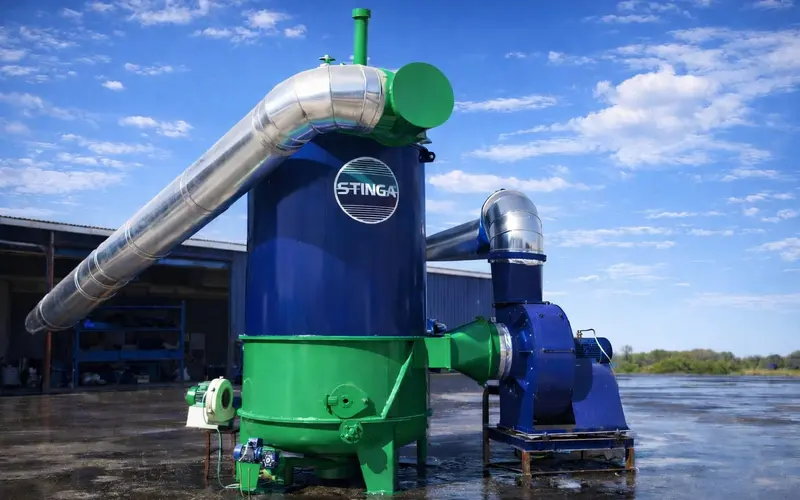
The Stinga 4D Reactor; at a 1800°C combustion temperature, it burns and converts into energy 11 different raw materials with zero emissions, from sewage sludge to low-calorific lignite, and from hazelnut shell to poultry manure. We process every waste, biomass, and low-quality fuel that conventional boilers cannot burn with 97% combustion efficiency.

Raw Material Catalog

11 Raw Materials · Single Reactor

01 / 11
Active Feedstock
Raw Material · 01 Waste Management · Municipality

Sewage Sludge

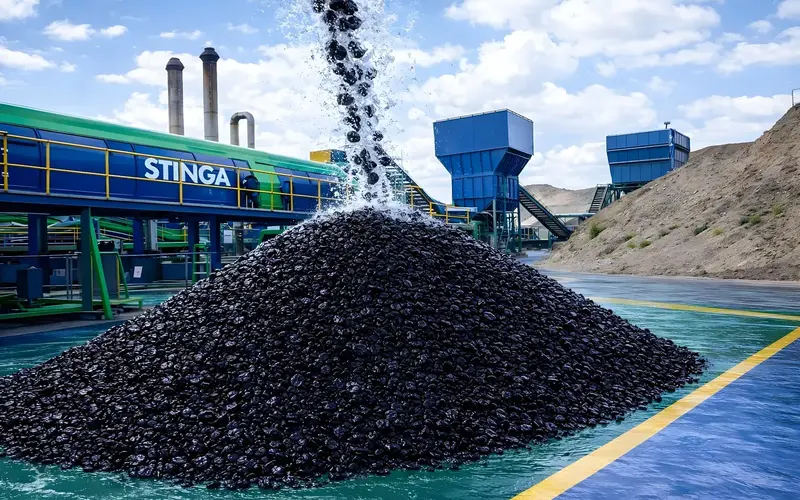
This is high-volume organic waste discharged from wastewater treatment plants and has a moisture content of 75%. In conventional disposal methods, municipalities pay an average of 150 USD per ton. With Stinga technology, sludge with 75% moisture is converted into RDF (refuse-derived fuel) biocoal with 5% moisture and 3,500 kcal/kg, which the cement sector demands.
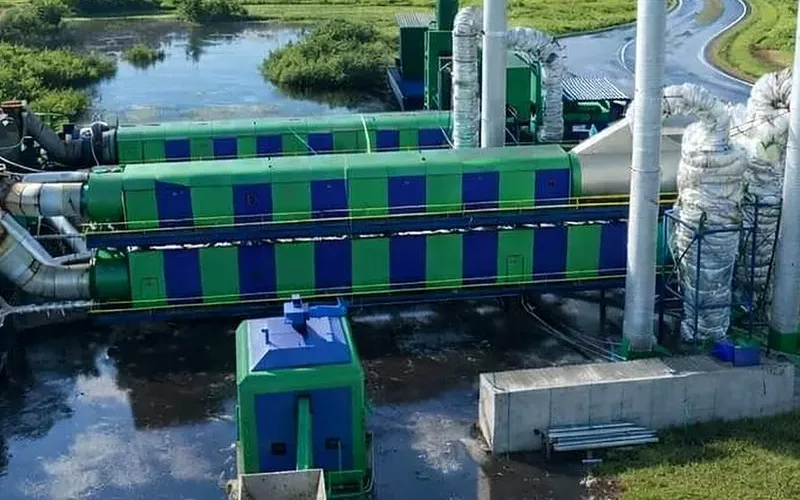
Facility Image Sewage sludge drying plant
Input Moisture
%75
Output Moisture
%5
Max. Capacity
10t/sa

From Waste to Value — The Biggest Environmental Problem for Municipalities

Türkiye's daily production of wet sewage sludge exceeds 20,000 tons. Disposal of this sludge is both a major financial burden and a serious environmental problem for municipalities. Open dumping, sanitary landfill, or conventional incineration methods are unsustainable due to high emission values and low efficiency.

  • Sector: Wastewater treatment plants, municipalities, OSBs
  • Typical Volume: Settlement with a population of 100,000 → ~25 tons of wet sludge per day
  • Disposal Cost: Average 150 USD per ton (to intermediary companies)
  • Stinga Advantage: Disposal expense is directly converted into biofuel revenue
  • Recommended System: Double-Deck (10,000 kg/h) / Single-Deck (5,000 kg/h) / Reactor-Top Ø1500-Ø3400

Oxygen-Free Carbonizing Drying

Stinga drying technology works completely differently from conventional boilers. Sludge is carbonized at 900°C in an oxygen-free environment, and moisture is removed from the material. Then this dried product is either used as fuel in the Stinga reactor or sold to cement plants as RDF.

STEP 01
Input

75% moisture sewage sludge is fed into the facility

STEP 02
Carbonization

Processed at 900°C in an oxygen-free reactor

STEP 03
Moisture Removal

70% moisture separates from the material

STEP 04
Biofuel

5% moisture, 3,500 kcal/kg RDF

Economic and Environmental Outputs

Figures obtained in the double-deck system (10,000 kg/h capacity, 8,000 operating hours annually):

Annual Processing
80,000 tons

Wet sludge disposal

Disposal Savings
12M USD

150 USD/ton × annual quantity

Biofuel Revenue
60 USD/ton

Cement sector 2026 reference

Advantage Over Natural Gas
16,9 ×

Lower energy cost

CO Emission
12 ppm

Legal limit 250 mg/Nm³

Carbon Footprint
≈ 0

All toxic gases are burned

Field Images and Videos

Raw Material · 02 Mining · Thermal Energy

High-Moisture Low-Calorific Lignite

A significant portion of Türkiye's lignite reserves has high moisture and low calorific value. This causes serious losses in mining operations in terms of transport, sales, and combustion efficiency. Stinga reduces lignite with 55% moisture to below inherent moisture (3%), adding +50 kcal of value per unit of moisture. Moreover, drying is permanent — moisture does not return even in rain or snow.

Coal Drying Facility Stinga coal drying plant
Input Moisture
%55
Output Moisture
%3
Calorific Gain
+2.600kcal/kg

Converting Low Value into High Value

Measurements conducted even at Turkish Coal Enterprises (TKİ) sites have shown that Stinga technology has a dramatic effect on low-quality lignite. Drying tests carried out at the TKİ Seyitömer Lignite Operation have been documented with independent official reports.

  • Sector: Mining, thermal power plants, coal trade
  • Document: TKİ Seyitömer Official Field Application Report
  • Impact: More than 100% increase in calorific value, lasting dryness in rain
  • Recommended System: Coal Double-Deck (30,000 kg/h) / Single-Deck Ø3400 (15,000 kg/h)
  • Related Page: Coal Drying →

The Only System That Lowers Moisture Below Inherent Moisture

Conventional coal drying systems remove surface moisture; with the first rain, the coal absorbs moisture again. Stinga goes down to inherent moisture by carbonizing in an oxygen-free environment — this makes dryness permanent.

STEP 01
Input

55% moisture, low-calorific raw lignite

STEP 02
Carbonization

Aging process in an oxygen-free environment

STEP 03
Below Inherent Moisture

3% moisture — lasting dryness

STEP 04
Calorific Value Increase

+50 kcal/kg per moisture unit

Output for Mining Operations

Double-Deck Capacity
30,000 kg/h

720 tons/day processing capacity

Calorific Value Increase
+%100

According to initial calorific value

Fuel Consumption
240 kg/h

6,000 kcal/kg reference fuel

Electricity Requirement
70 kW

Full-load operating conditions

Transport Savings
~%45

Transporting coal instead of water

Effect on Sales Price
2× Increase

Typical market variation

Field Images

Raw Material · 03 Biomass · Wood Chips

Forest Waste

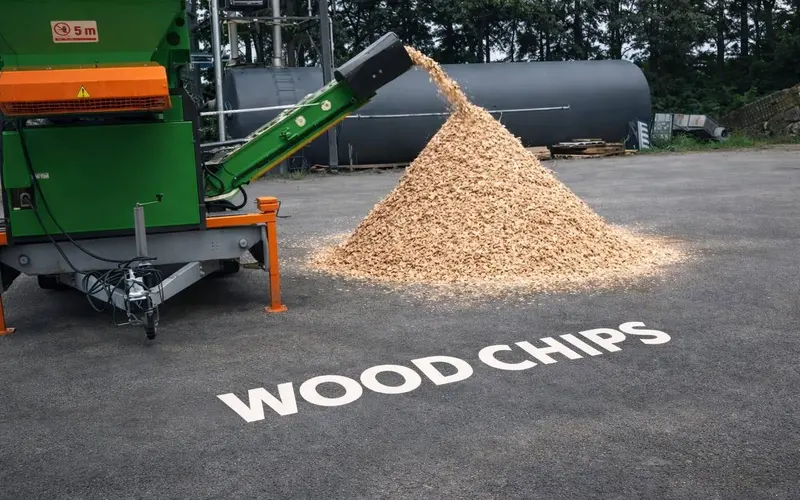
The utilization of biomass sources such as cleaning cuttings from forest areas, pruning residues, dry branches, and wood chips (sawdust). These renewable, carbon-neutral, and abundantly available raw materials are converted into energy with high efficiency thanks to Stinga drying and combustion technology.

Wood Chips Facility Stinga wood chips drying plant
Typical Moisture
%45
Output Moisture
%10
Carbon Impact
Neutral

Renewable Biomass Energy

Türkiye produces millions of tons of forest waste annually according to OGM data. Under normal conditions, this waste is not utilized; it is either left to decay in place or burned uncontrollably. Stinga technology converts this resource into a controlled, zero-emission, and highly efficient biomass fuel.

  • Sector: Forest products industry, biomass plants, sawmills
  • Carbon Impact: Carbon neutral (returns the CO₂ it absorbed during the growth process)
  • Related Page: Wood Chips Drying →
  • Application: Pellet production, direct combustion, cogeneration plants

Wood Chips Drying Process

STEP 01
Collection

Cutting/pruning residues are collected and shredded

STEP 02
Feed

Wood chips are fed continuously into the reactor

STEP 03
Drying

Moisture removal in an oxygen-free environment

STEP 04
Fuel

High-calorific, dry biomass fuel

Biomass Output Profile

Typical Calorific Value
4.500 kcal/kg

After Drying

Carbon Footprint
Negative

Biogenic Cycle

Ash Content
~%2

Very Clean Combustion

Emissions
≈ 0

1800°C reactor destruction

Field Images

Raw Material · 04 Agriculture · Post-Harvest Waste

Agricultural Product Waste

Agricultural harvest residues such as wheat straw, corn stalks, cottonseed hulls, sunflower husks, and rice husks. In agricultural economies like Türkiye, this waste, which exceeds 60 million tons annually, is converted into regional energy with Stinga technology — providing additional income to producers.

Agricultural Waste
Typical Moisture
%20-40
Typical Calorific Value
3.500kcal/kg
Annual Türkiye Waste
60Mton

From Farm to Energy — Village-Scale Conversion

Following the ban on stubble burning, utilizing agricultural waste has become a major challenge. Stinga technology converts agricultural waste into regional energy at village/town scale, providing farmers with additional income and local heat/energy independence.

  • Sector: Agricultural cooperatives, farmer unions, OSB energy facilities
  • Typical Waste: Wheat/corn stalks, sunflower husks, rice husks, cotton waste
  • Seasonal: Intense after harvest, storage capacity required
  • Environmental Impact: An alternative to stubble burning — smoke and emissions source is eliminated

Agricultural Waste Processing

STEP 01
Collection

Post-harvest stalks are baled

STEP 02
Size Reduction

Size reduction suitable for the reactor

STEP 03
Combustion

Complete combustion in the 1800°C reactor

STEP 04
Energy

Hot water / steam / hot air

Energy Value of Agricultural Waste

Wheat Straw
3.700 kcal/kg

Typical Dry Basis

Corn Stalk
3,500 kcal/kg

Typical Dry Basis

Rice Husk
3.200 kcal/kg

High silica content

Cotton Waste
4.000 kcal/kg

Including cottonseed husk

Field Images

Raw Material · 05 Black Sea · Byproduct

Hazelnut Shell

Türkiye is a major producer that meets approximately 70% of world hazelnut production. Hazelnut shell, a by-product of this production, is an ideal natural fuel for Stinga reactors with its high calorific value (4,000-4,500 kcal/kg) and low moisture content. It plays a critical role in enabling hazelnut factories in the Black Sea region to achieve their own energy independence.

Black Sea Facilities
Typical Moisture
%10-15
Calorific Value
4.500kcal/kg
Annual TR Production
~300Kton

The Black Sea's Natural Fuel Source

Hazelnut shell is already an ideal fuel due to its naturally low moisture and high carbon content. It burns efficiently in Stinga reactors and meets the roasting, drying, and steam needs of hazelnut processing facilities. It offers a major cost advantage over natural gas.

  • Sector: Hazelnut cracking, roasting, and processing facilities
  • Regional Concentration: Ordu, Giresun, Trabzon, Sakarya, Düzce
  • Advantage: The facility's own waste is its own energy
  • Ash Use: Ash after combustion can be used as organic fertilizer

Hazelnut Shell Combustion Process

STEP 01
Collection

Shells from the hazelnut cracking plant

STEP 02
Storage

Dry storage or silo system

STEP 03
Combustion

Directly in the Stinga reactor

STEP 04
Process Energy

Roasting, drying, steam

Hazelnut Shell Output Data

Calorific Value
4.500 kcal/kg

Value close to natural gas

Advantage Over Natural Gas
~%80

Cost Savings

Ash Content
~%1

Very Clean Combustion

Carbon Impact
Neutral

Renewable biomass

Field Images

Raw Material · 06 Mediterranean · Olive Pomace

Olive Pomace (Pirina)

A by-product remaining from olive oil production, also known as pomace. It consists of olive pits, skin, and pulp. Thanks to its high calorific value and suitable moisture profile, it is a strategic biofuel source for olive oil factories in the Mediterranean, Aegean, and Marmara regions.

Olive Oil Plant
Typical Moisture
%50-65
Dry Calorific Value
4.200kcal/kg
Annual TR Production
~500Kton

Pomace — The Strategic By-Product of the Olive Oil Industry

Türkiye is the world's 4th largest olive producer. In olive oil production, approximately 4 kg of pomace is generated for every 1 kg of oil. With the right drying and combustion technology, this residue meets the factory's energy needs and prevents disposal as waste into the environment.

  • Sector: Olive oil mills, pomace oil facilities
  • Regional Concentration: Aegean (İzmir, Aydın, Manisa), Marmara (Edremit), Mediterranean
  • Additional Advantage: Solid waste combustion after pomace oil extraction
  • Environmental Impact: Elimination of the risk of release into water resources

Pomace Processing Flow

STEP 01
Pomace Output

By-product from olive oil production

STEP 02
Moisture Reduction

Stinga Drying System

STEP 03
Combustion

High-calorific biofuel

STEP 04
Hot Water / Steam

Process energy for the facility

Pomace Output Data

Dry Calorific Value
4.200 kcal/kg

After Drying

Typical Pomace/Product
4:1

Per unit of oil production

Ash Content
~%3

Mineral-Rich

Carbon Impact
Neutral

Biogenic Cycle

Field Images

Raw Material · 07 Municipality · Landfill Alternative

Domestic Waste

Household solid waste collected daily by municipalities and accumulated in sanitary landfills (organic fraction and components with low recycling value). Stinga 1800°C reactor technology burns all toxic gases and dioxins/furans in household waste, turning it into a resource for energy generation with zero emissions.

Municipal Facility
Typical Moisture
%30-50
Reactor Temp.
1800°C
Emissions
≈ 0

Alternative to Disposal Sites

Accumulation of household waste in sanitary landfills creates problems such as methane emissions, leachate, and land scarcity. EU acquis also requires reducing the amount of organic waste sent to landfill. Stinga technology offers the ideal solution to address environmental and regulatory pressures.

  • Sector: Metropolitan municipalities, environmental investors
  • Legal Framework: EU Landfill Directive, national waste management regulation
  • Stinga Advantage: Destruction of all toxic gases, including dioxins/furans, at 1800°C
  • By-Product: Energy recovery (electricity / heat)

Municipal Waste Disposal Flow

STEP 01
Collection

Municipal collection vehicles

STEP 02
Separation

Recycling + combustible fraction

STEP 03
Stinga Combustion

Complete destruction at 1800°C

STEP 04
Energy

Electricity / hot water

Household Waste Output Profile

Typical Calorific Value
~2.500 kcal/kg

Mixed waste average

Volume Reduction
~%90

Storage space savings

Methane Prevention
100%

Compared with landfilling

Dioxin/Furan
Disposal

Complete decomposition at 1800°C

Field Images

Raw Material · 08 OSB · Industrial Disposal

Industrial Waste

Combustible industrial wastes such as textile lint waste, paper-carton factory waste, organic waste from the leather industry, and plastic process by-products. To meet the common environmental obligations of industrial zones, Stinga technology turns waste into a double gain: disposal costs are reduced to zero, and energy is recovered.

OSB Facility
Waste Type
Various
Reactor Temp.
1800°C
Disposal
%100

Waste Management at OSB Scale

More than 350 industrial zones are operating in Türkiye. Disposal of non-hazardous industrial waste generated from these zones is a significant cost item. The joint disposal solution developed by Stinga reduces the overall environmental liabilities of industrial zone members and creates a revenue source for the industrial zone.

  • Sector: OSB managements, textile, paper, leather, packaging industries
  • Typical Waste: Textile lint, paper sludge, leather scraps, organic process residues
  • Environmental Impact: Collective management, controlled disposal, traceable records
  • Additional Advantage: Central hot water / steam production for OSBs

Industrial Waste Disposal Flow

STEP 01
OSB Collection

Waste is collected from member factories

STEP 02
Characterization

Fuel value and moisture analysis

STEP 03
Controlled Combustion

1800°C complete combustion + emission control

STEP 04
Co-Generation

Steam / hot water for OSB facilities

Industrial Waste Output Data

Textile Lint
~4.500 kcal/kg

High Calorific Value

Paper-Cardboard
~3.500 kcal/kg

Including rejected fibers

Plastic By-Product
~7.500 kcal/kg

Only Authorized Types

Disposal Rate
%100

Volume reduction ~95%

Field Images

Raw Material · 09 Livestock · Conventional Fuel

Dung Cake

A traditional Anatolian fuel obtained by drying and shaping cattle manure. Used for centuries in Eastern and Central Anatolia, this raw material is brought into a modern format with Stinga technology: controlled combustion, zero soot/smoke, high efficiency, and cyclical use of animal manure.

Animal Waste
Typical Moisture
%10-20
Typical Calorific Value
3.000kcal/kg
Carbon
Neutral

Use of Traditional Fuel in a Modern Reactor

Manure (the briquetted/dried form of cattle manure) is still used as a heating source in rural Anatolia. In traditional stoves, it causes soot, odor, and particulate matter problems. The Stinga reactor burns manure/manure at 1800°C, destroying toxic gases and meeting the heating needs of livestock facilities.

  • Sector: Cattle farms, dairies, rural energy projects
  • Geography: Eastern Anatolia, Central Anatolia plateaus
  • Advantage: Conversion of animal manure from waste to energy
  • Additional Output: Combustion ash can be utilized as organic fertilizer

Manure Processing Process

STEP 01
Collection

Barn manure is collected

STEP 02
Drying

Natural or Stinga drying

STEP 03
Reactor Combustion

Complete combustion without soot or smoke

STEP 04
Heat

Farm / barn heating

Manure Output Data

Dry Calorific Value
~3.000 kcal/kg

Typical conventional form

Ash Content
~%10

Mineral-Containing

Soot/Smoke
≈ 0

1800°C Full Combustion

Carbon Impact
Neutral

Biogenic carbon cycle

Field Images

Raw Material · 10 Poultry Sector · Litter Disposal

Poultry Manure

Poultry litter and manure, one of the biggest environmental problems of egg and broiler farms. Due to high nitrogen content, odor, and leachate problems, disposal is difficult. Stinga turns disposal into profit and provides an integrated energy solution for poultry house heating.

Poultry house / poultry facility Stinga poultry house and poultry waste system
Typical Moisture
%50-65
Output Moisture
%10-15
Litter Capacity
1.000kg/h

Turn Waste into Revenue, Energy into Savings

Türkiye ranks among the top 10 countries in global poultry meat production. One of the sector's largest hidden costs is the disposal of bedding and manure. Stinga's poultry solutions (bedding drying + poultry house heating) provide a single integrated response to this dual problem.

  • Sector: Broiler farms, egg production facilities, integrated poultry operations
  • Related Page: Poultry Solutions →
  • Dual Advantage: Litter disposal + 70% savings in poultry house heating costs
  • Additional Output: Dried manure can be sold as organic fertilizer

Poultry House-Reactor Integrated System

STEP 01
Litter Output

Manure-bearing litter cleaned from the poultry house

STEP 02
Drying

Stinga reactor-top system

STEP 03
Combustion / Sale

Reactor fuel or organic fertilizer

STEP 04
Poultry House Heating

Combustion energy returns to the poultry house

Poultry Production Solution Outputs

Litter Capacity
1,000 kg/h

Reactor-top system

Heating Savings
%70

Compared to natural gas

Fuel Cost
≈ 0 USD

Its own waste, its own fuel

Fertilizer Sales
Additional Revenue

Dried organic fertilizer

Field Images

Raw Material · 11 Strategic · Patent-Based

Bituminous Shale

A strategic energy reserve found in nature, with combustible properties, but whose use in modern boiler technology has been banned worldwide due to high greenhouse gas emissions and low efficiency. The Stinga 4D Reactor is the only system in the world that enables even bituminous shale to burn with zero emissions — this is the main reason Stinga has obtained patents in 134 countries.

Strategic Reserve
Conventional Method
Forbidden
Stinga Reactor
Zero-Emission
Türkiye Reserve
2.2 Mrton

Bituminous Shale — Unlocking an Unusable Strategic Reserve

Türkiye has bituminous shale reserves exceeding 2.2 billion tons (MTA data). This reserve has been banned for use worldwide because it generates very high emissions with conventional combustion technologies. Stinga technology makes zero-emission combustion possible by destroying all toxic components of bituminous shale at a reactor temperature of 1800°C — thus opening a new door for Türkiye's energy independence.

  • Sector: Strategic energy projects, state enterprises
  • Patent Importance: This capability is the core inventive step of the patent filed in 134 countries
  • Environmental Impact: Environmentally friendly use of prohibited fuel
  • Economic Impact: Domestic reserve as an alternative to natural gas/oil imports

Bituminous Shale Combustion Process

STEP 01
Reserve

Domestically developed bituminous shale mine

STEP 02
1800°C Reactor

All toxic gases are destroyed

STEP 03
Near-Zero Emissions

Below the natural gas limit for CO/NOx/SO₂

STEP 04
Energy

Electricity / steam / hot water

Bituminous shale outputs

Typical Calorific Value
~2,000 kcal/kg

Varies by reserve

Conventional Method
Forbidden

Kyoto / EU Compliance

Stinga Emissions
≈ 0

Better Than Natural Gas

Türkiye Reserve
2.2 Mn tons

MTA Data

Field Images

Technical Superiority

Why such a wide range?

The six core technical features of the Stinga 4D Reactor explain its ability to burn any raw material that traditional boilers cannot burn.

01

Reactor Temperature 1800°C

Conventional boilers operate at around 800-1000°C. The Stinga 4D Reactor reaches 1800°C — at this temperature, all toxic gases (including dioxins and furans) are broken down and emissions approach zero.

02

Oxygen-Free Carbonization

In high-moisture raw materials, the carbonization stage in an oxygen-free environment is activated. In this way, even wastes with 75% moisture, such as sewage sludge, can be reduced to 5% moisture.

03

97% Combustion Efficiency

While conventional boilers operate at 40% efficiency, Stinga reaches 97%. This means obtaining 2.4 times more energy from the same amount of fuel.

04

Autocritical Energy Cycle

As the raw material itself dries, it becomes fuel; after the initial ignition, the system produces its own energy. External energy dependence drops to zero.

05

Patented in 134 Countries

The reactor system has invention-stage patents in 133, and the drying system in 158 countries. Its legal and technical durability is registered worldwide.

06

100% Domestic Production

Developed over 18 years of R&D by Şenol Faik Özyaman. From design to production, and from installation to service, the entire chain is carried out with domestic capital and domestic engineering.

Conventional Boiler vs Stinga Reactor

Efficiency Comparison

Criterion Conventional Boiler Stinga 4D Reactor
Combustion Efficiency %40 %97
Reactor Temperature 800–1000°C 1800°C
Raw material it can process Limited, dry fuel 11+ Categories
High-Moisture Waste (75%) ✕Not Combustible ✓Dries up to 5%
Bituminous Shale Combustion ✕Forbidden ✓Zero-Emission
CO Emission 100–250 mg/Nm³ 12 ppm
SO₂ / NOx Emissions At threshold levels ≈ 0 ppm
Investment Payback 5–8 years 1–2 years

The data is based on TÜBİTAK MAM, ENKA Accredited Laboratory, and TKİ Seyitömer field measurements

Let's Test Your Waste

Let's turn your waste into energy

Do you have a raw material at your facility, site, or operation that cannot be utilized? The Stinga engineering team tests your waste in our laboratory and prepares a feasibility report tailored to you.

Audio Reading
0:00 --:--
Speed:
01 / 01
⬇
AI
Our Services
Industrial Machine
Activated Carbon
Mining
Coal Drying
Wood Chips Drying
Bentonite Drying
Sewage Sludge Disposal
Poultry
Residential Heating