

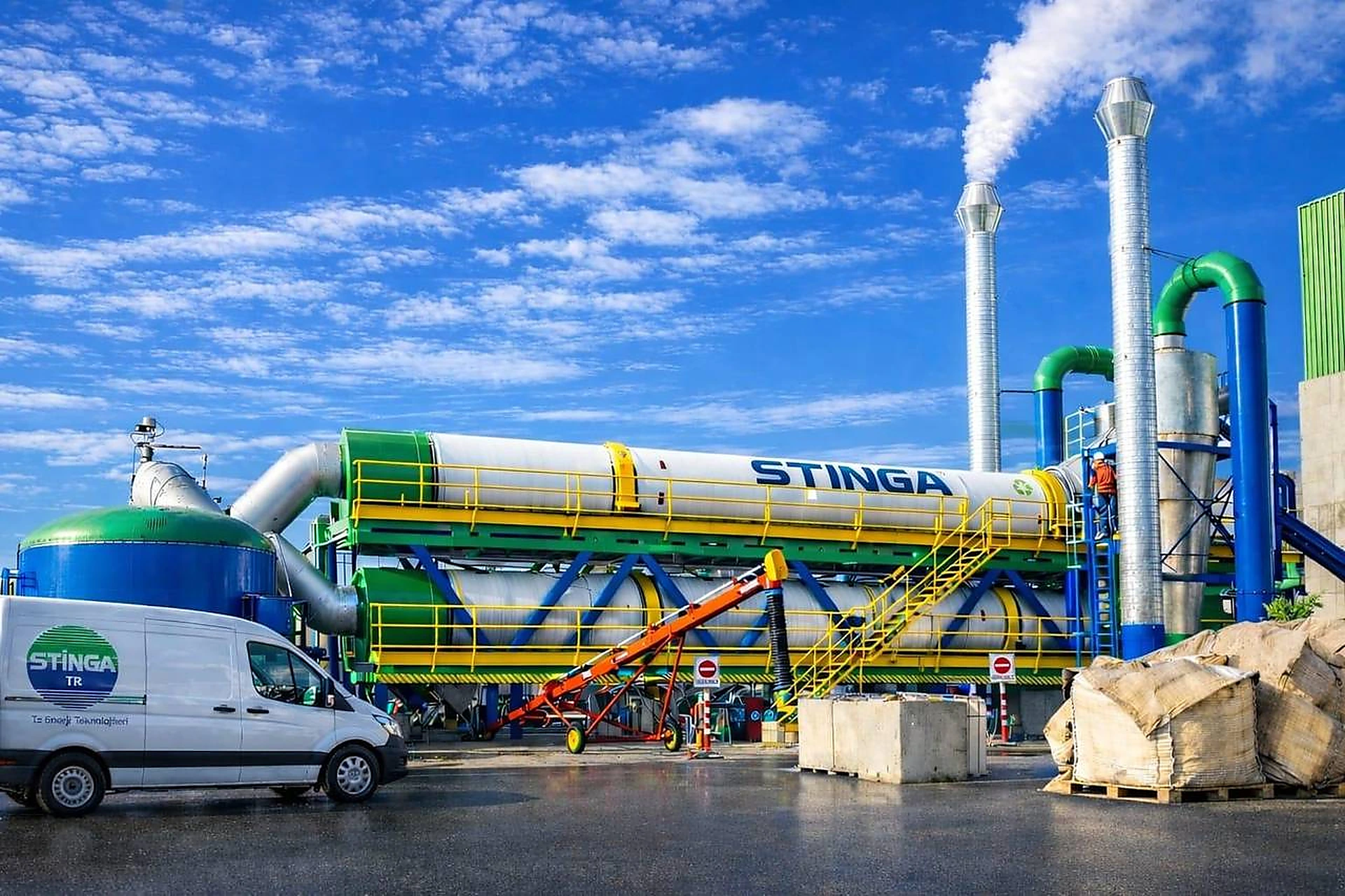
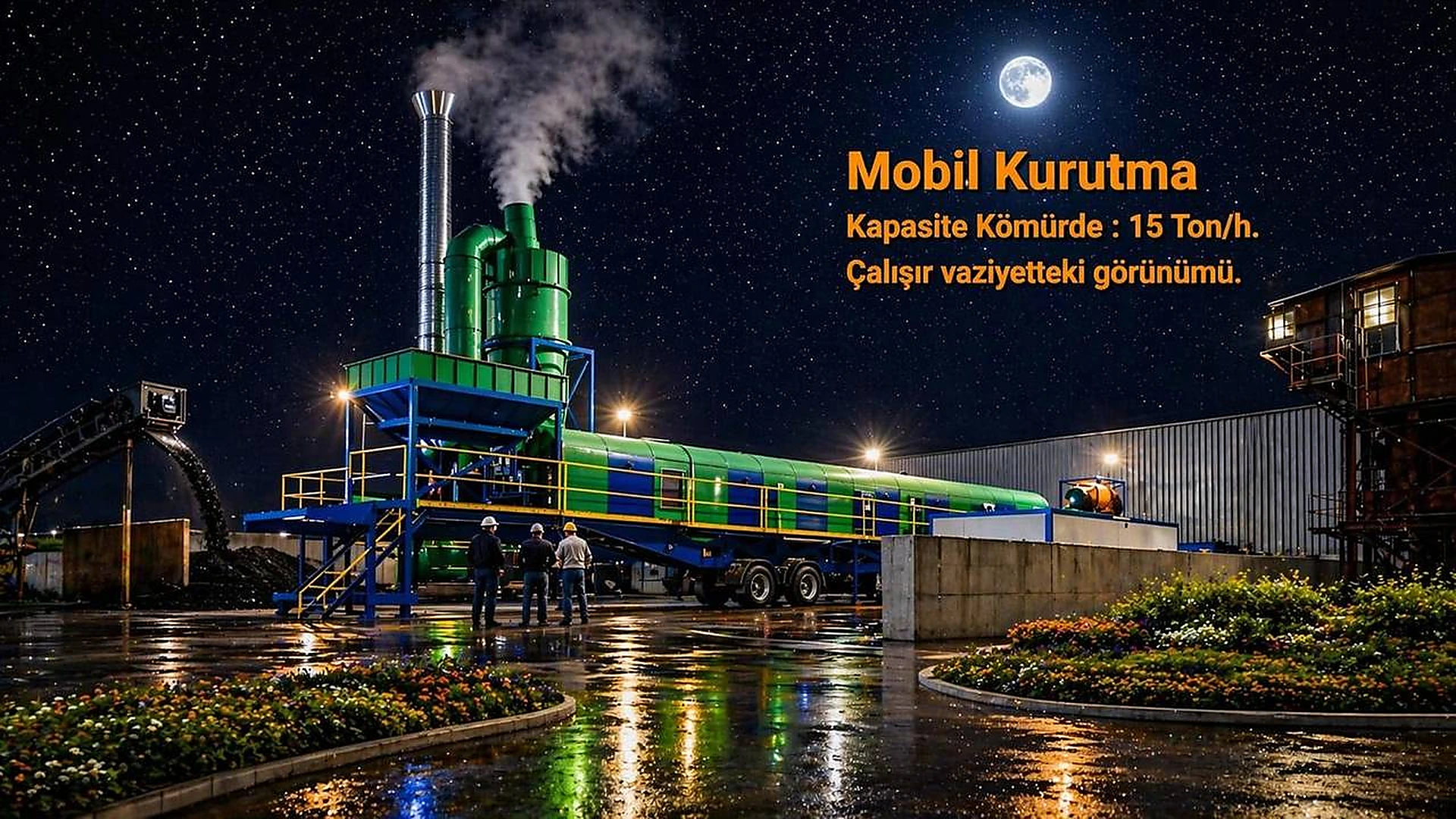
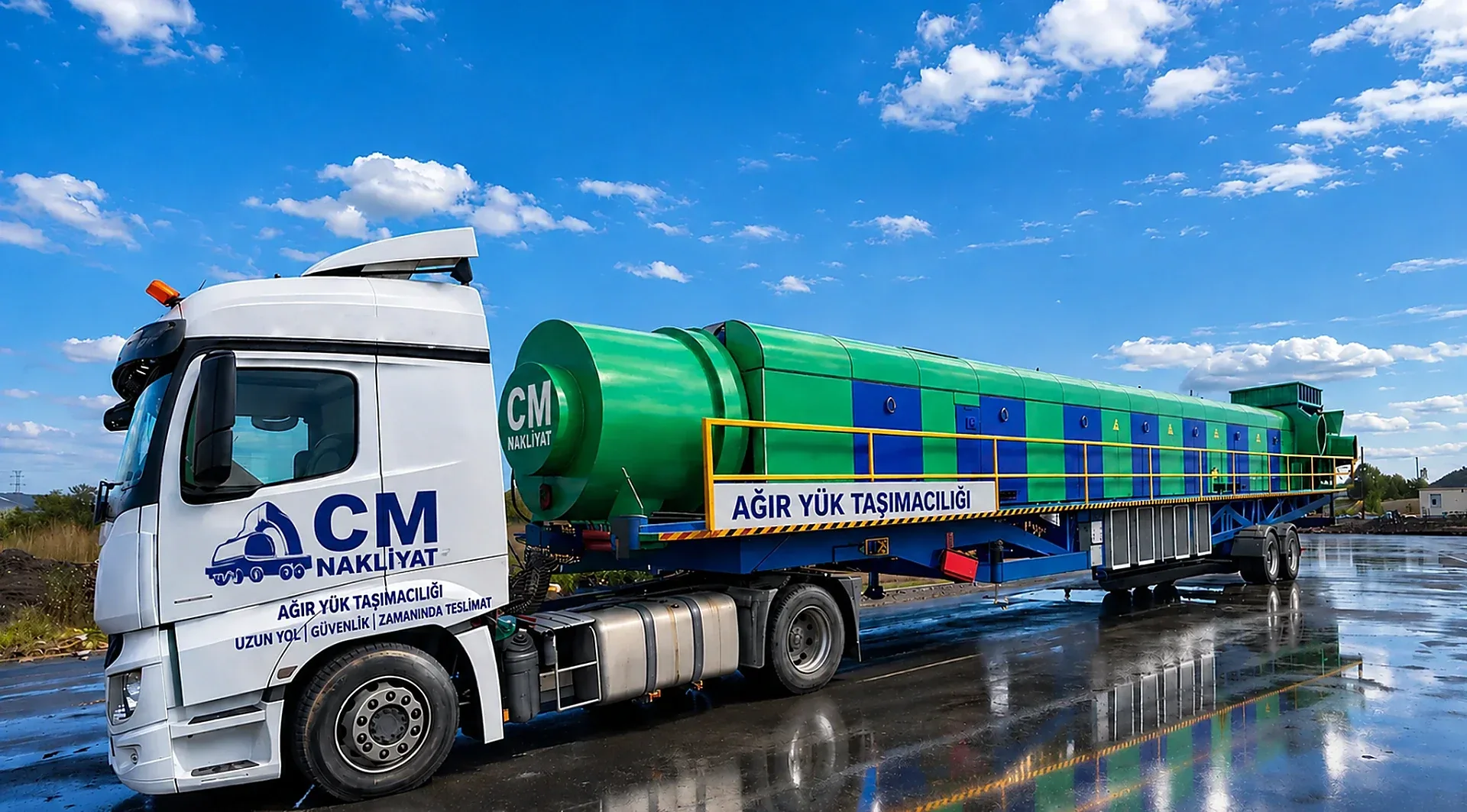
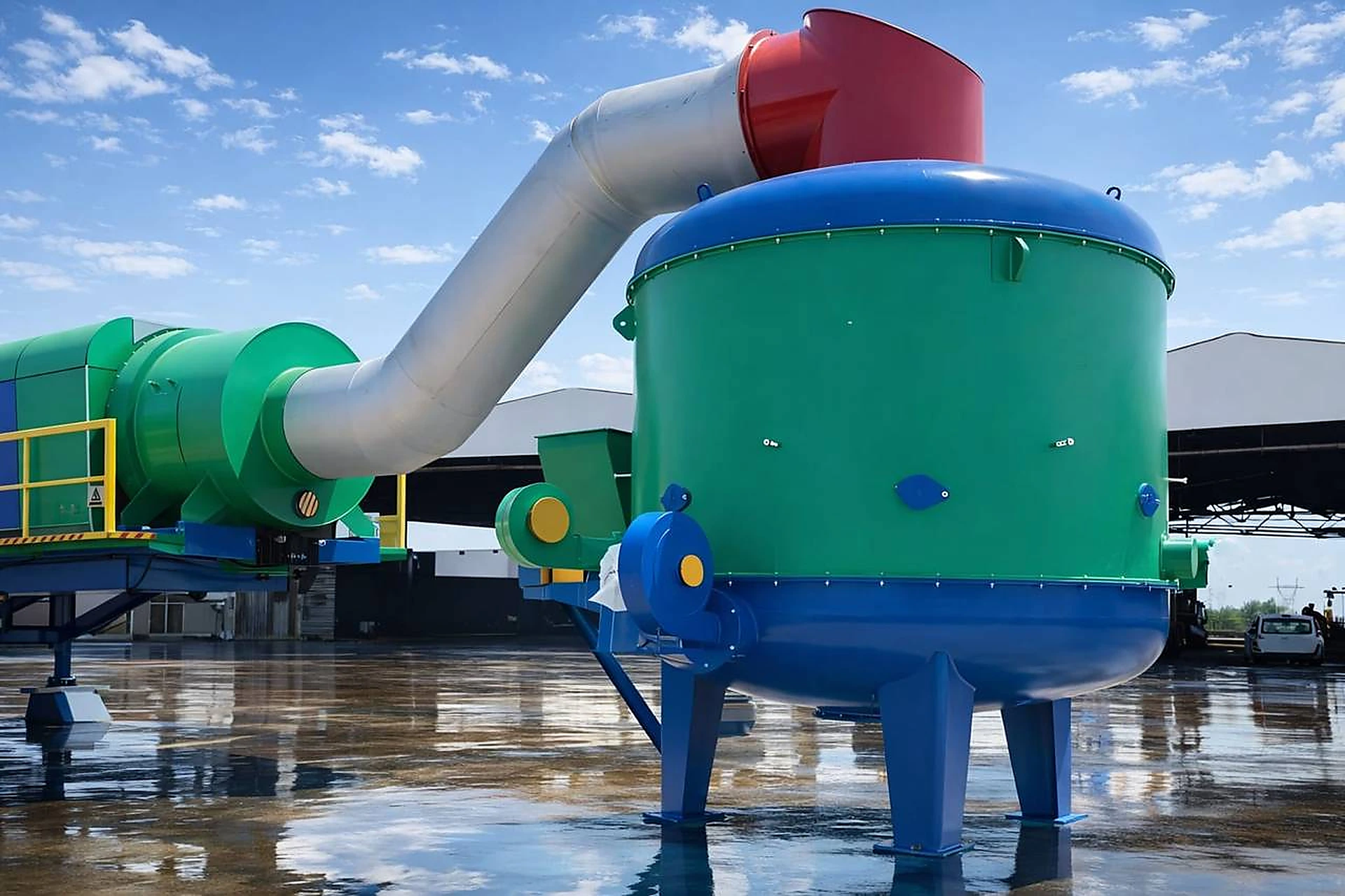

Drying Systems
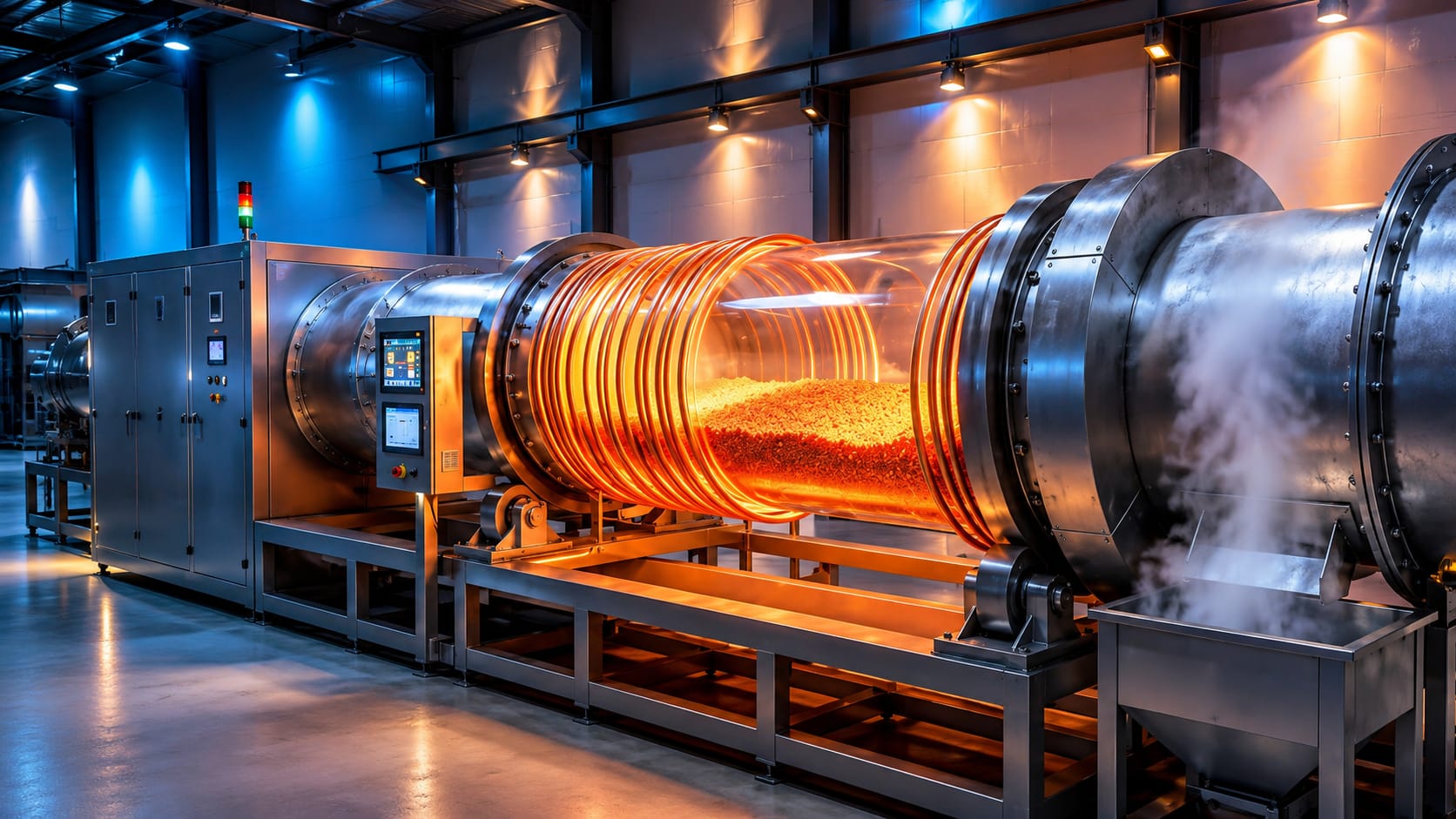
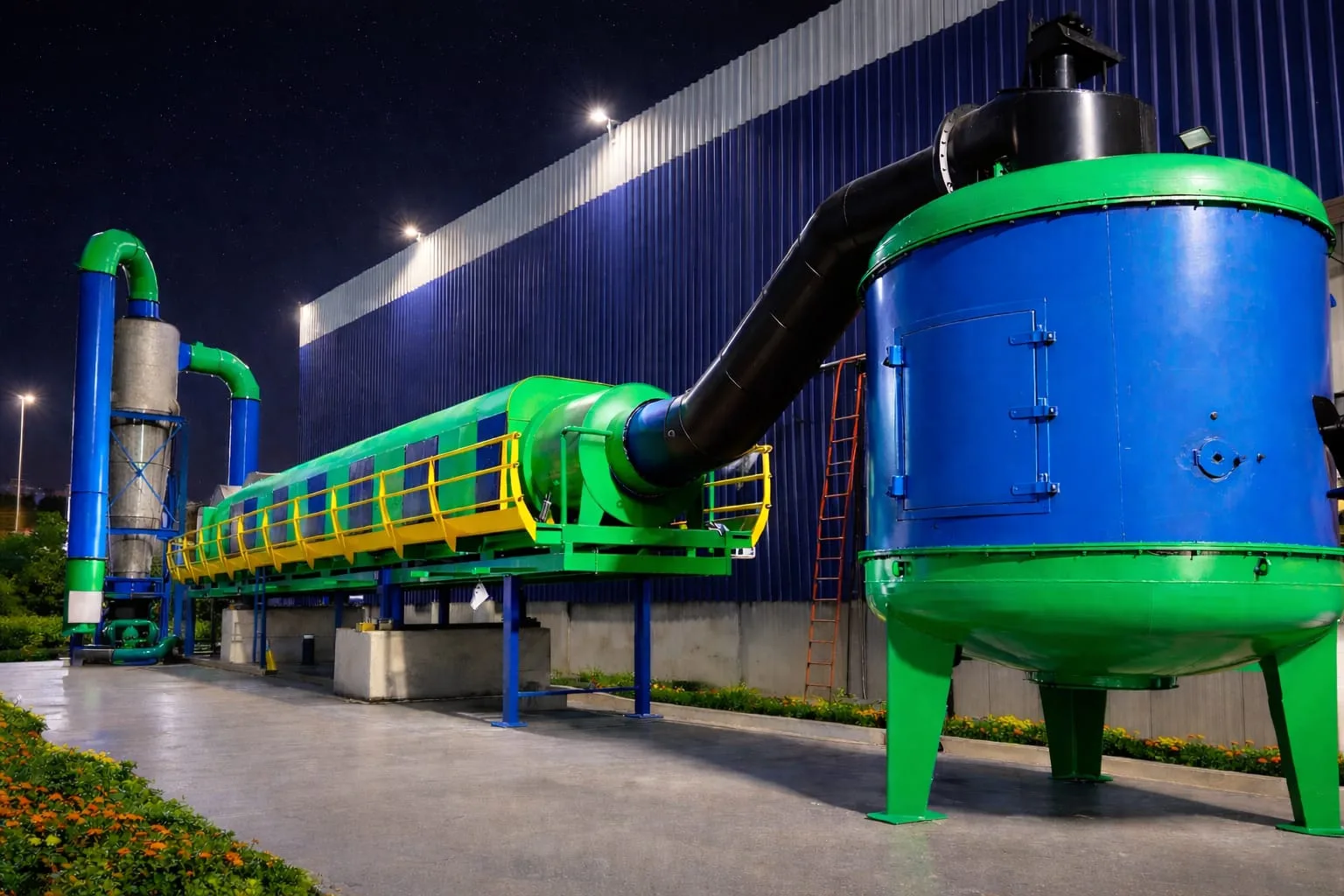
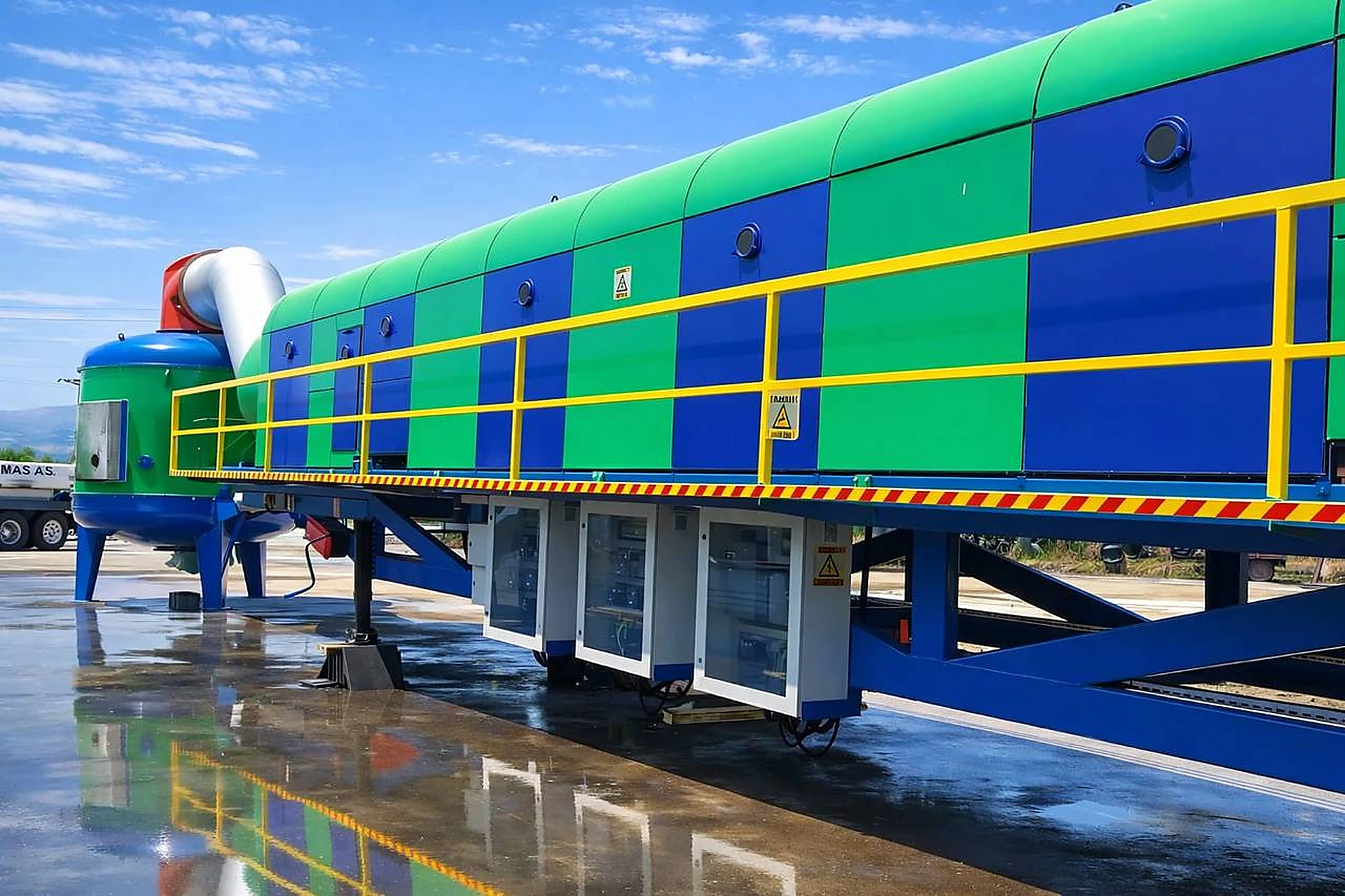
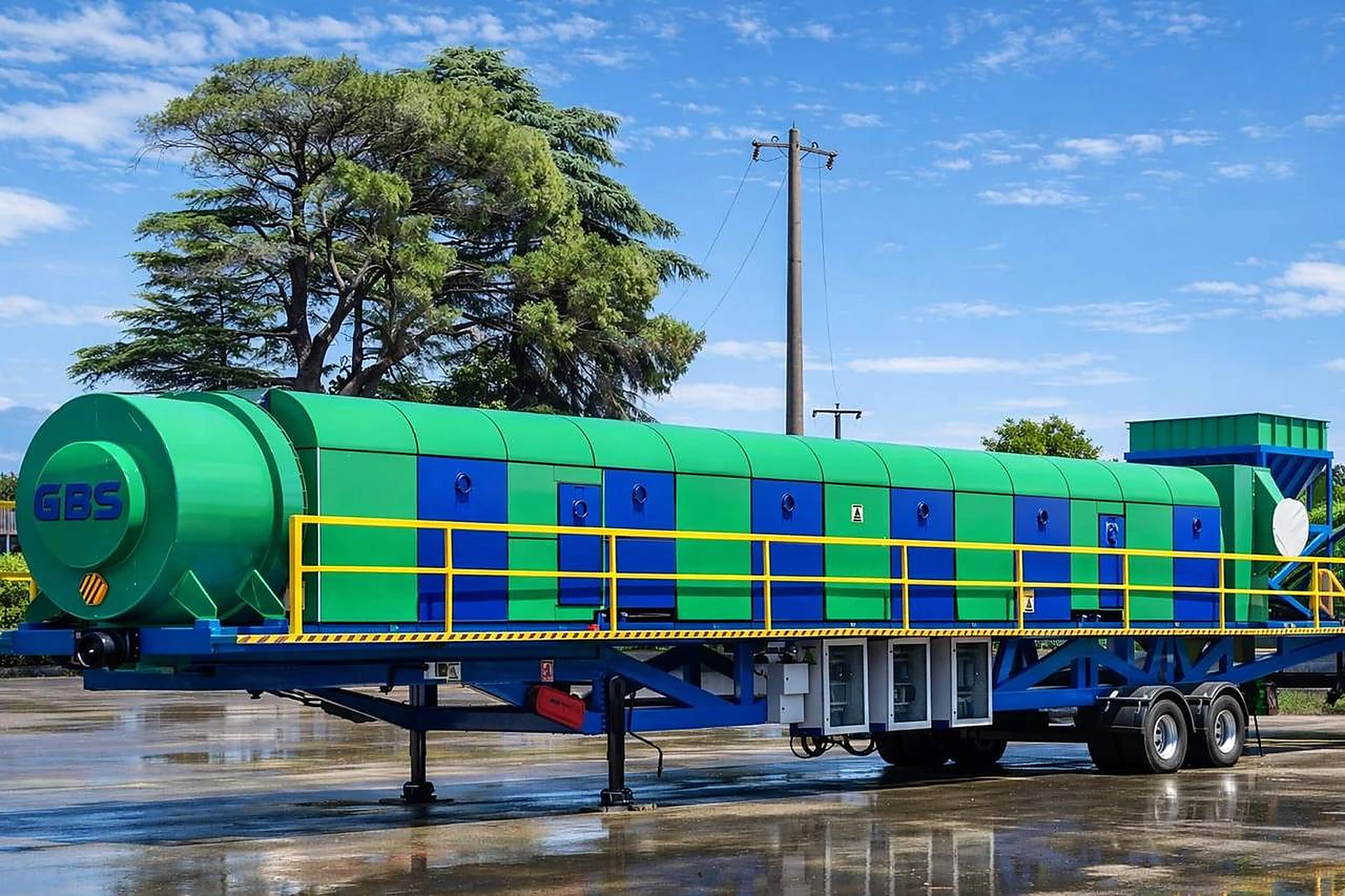
Oxygen-Free Carbonizing Drying Technology
The Energy Transition of the Future Starts Today
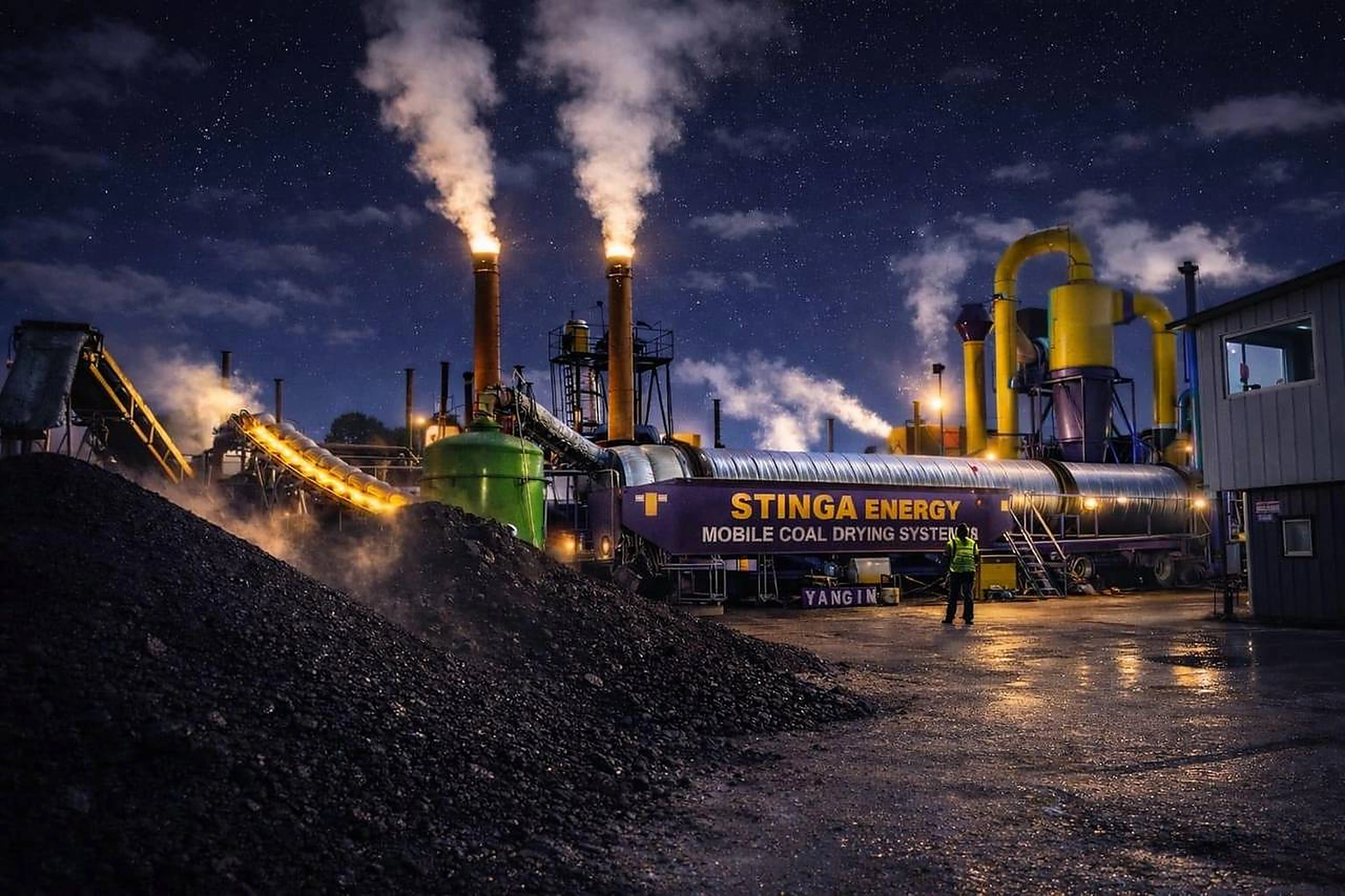
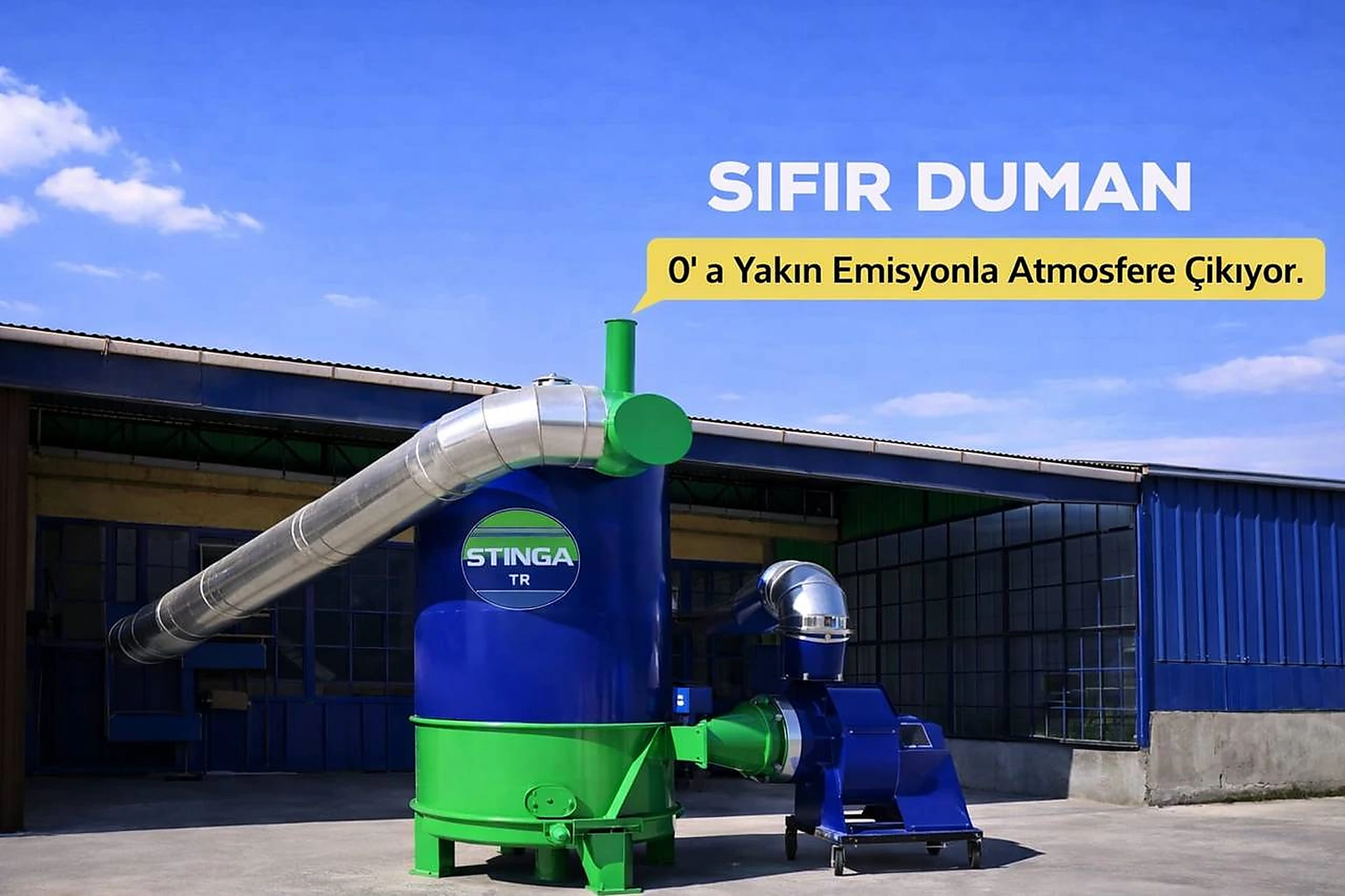
Through our "New Technology High-Efficiency Heat Generator and New Technology Coal Drying System" projects, developed for a boiler arrangement that provides zero-emission combustion, burns all toxic gases during combustion, while also increasing the quality and calorific value of coal, and that also enables bituminous shales, which have a combustion property in nature but are not economical to burn with today's technology, to be burned, Stinga Technology anticipates that materials in every region can be used as an energy source, and therefore the cost of transporting energy and regional energy dependence can be reduced to a minimum, and aims to provide major benefits to our country in the field of energy.
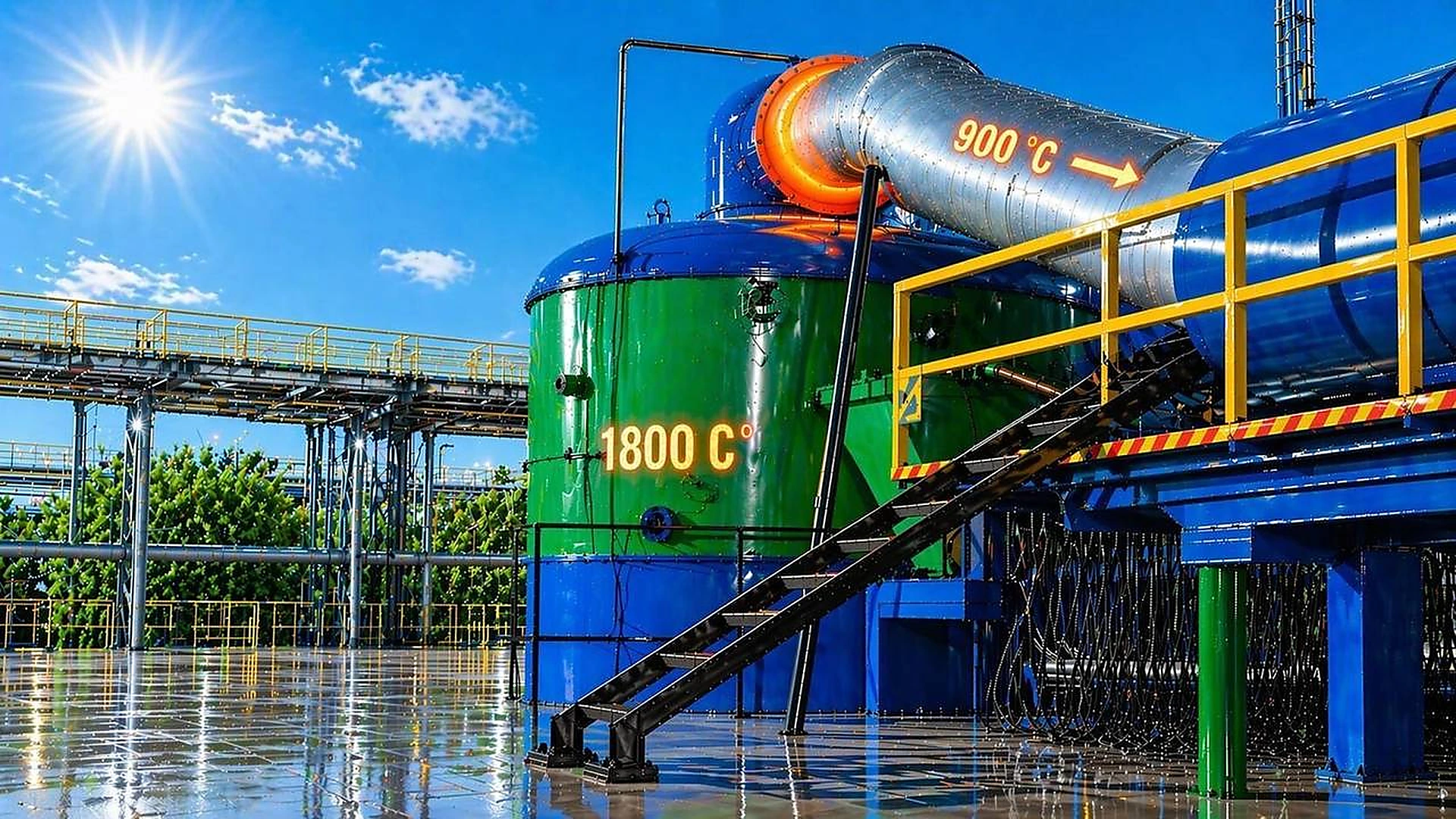
” Reactor1.400–1.800 °C
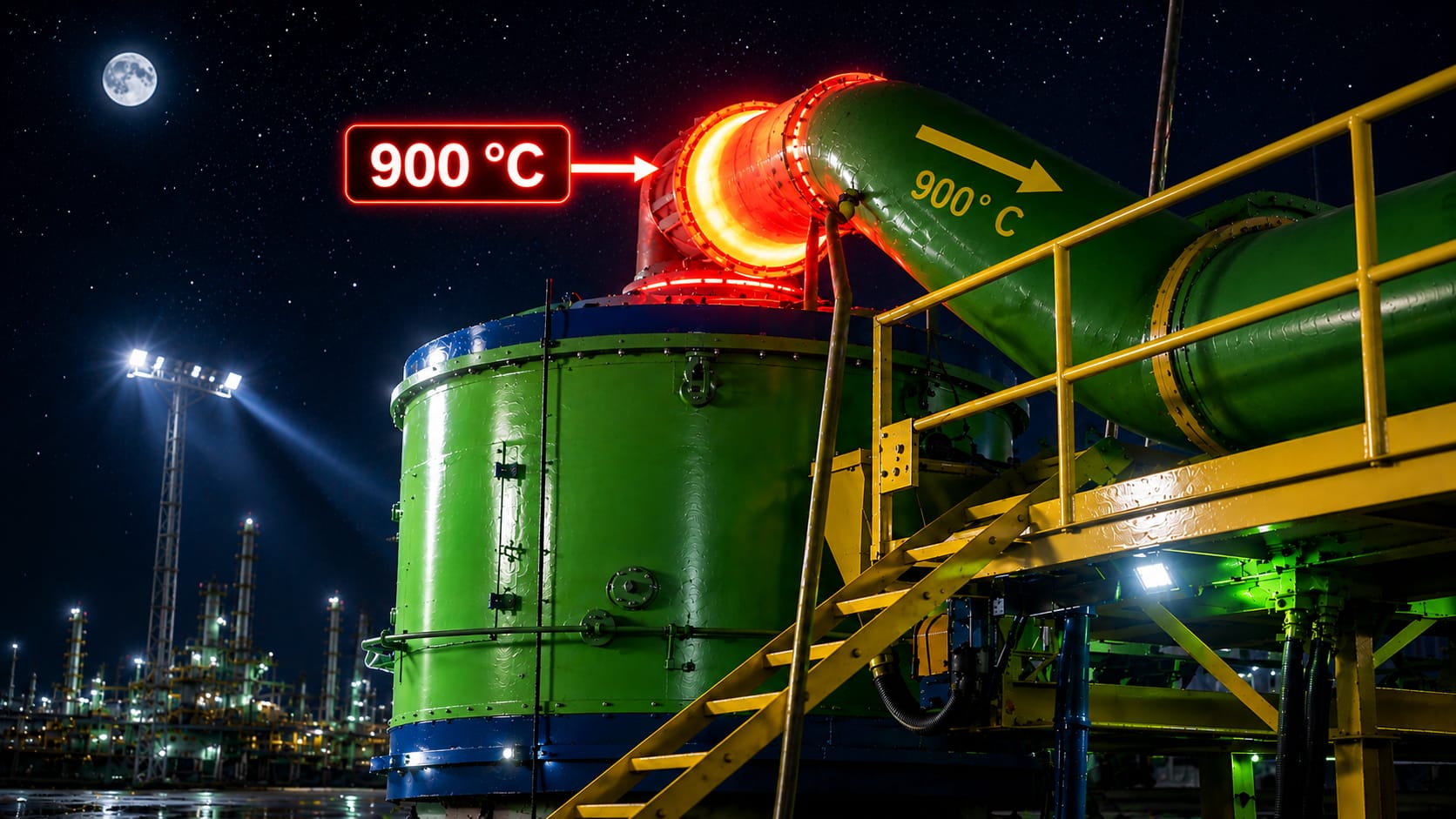
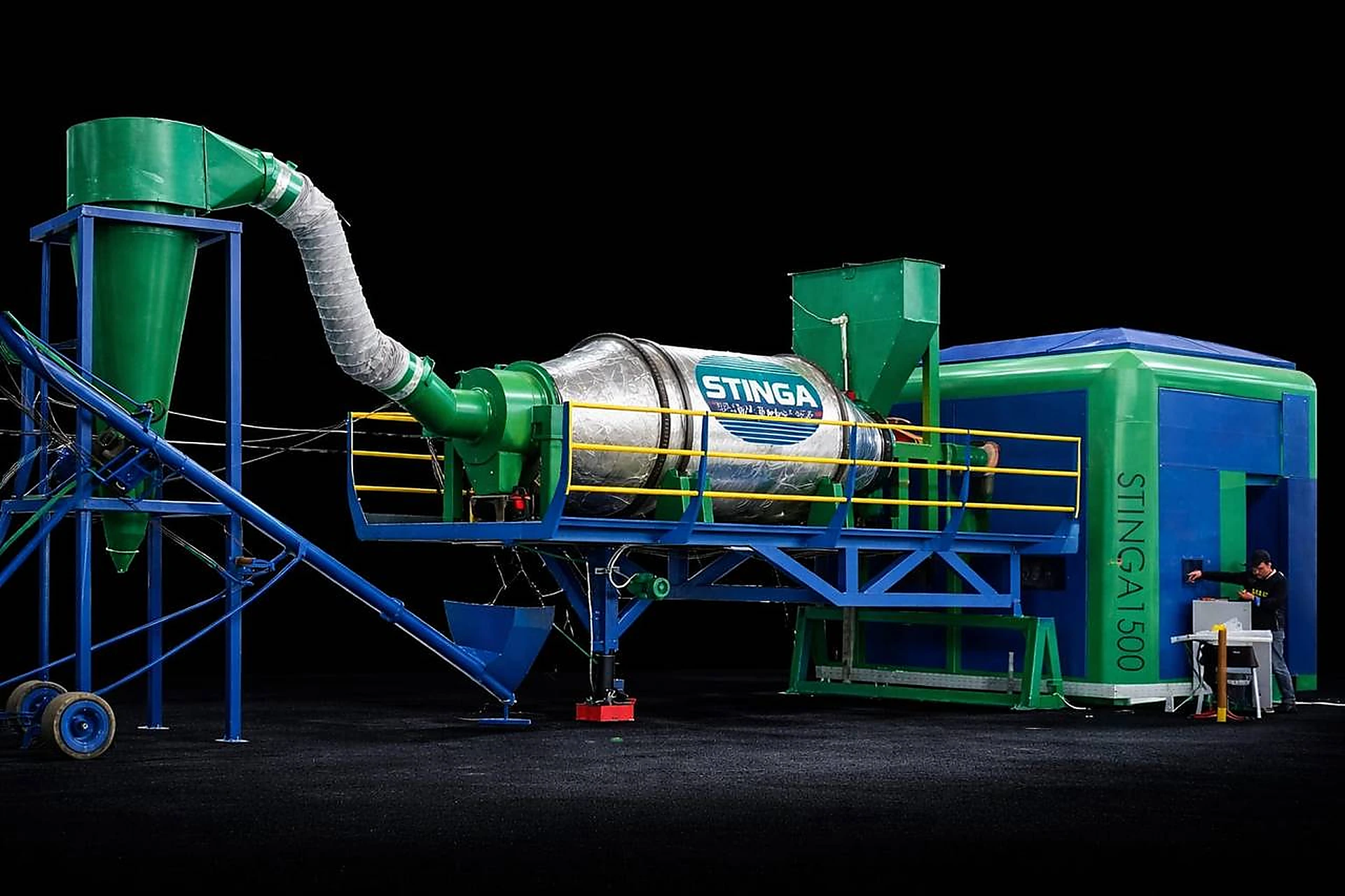
Rotary Kiln900 °C
Cyclone Outlet74 °C

Stinga Emissions Values
Legal Limit Values
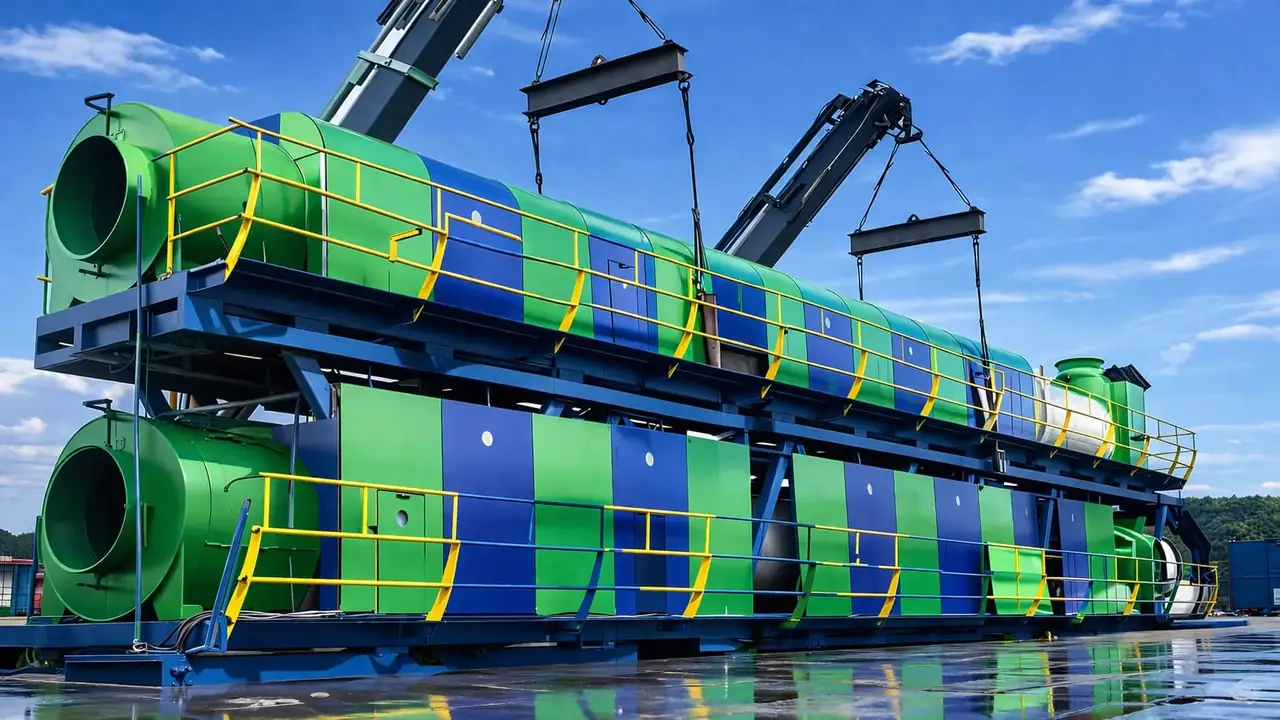
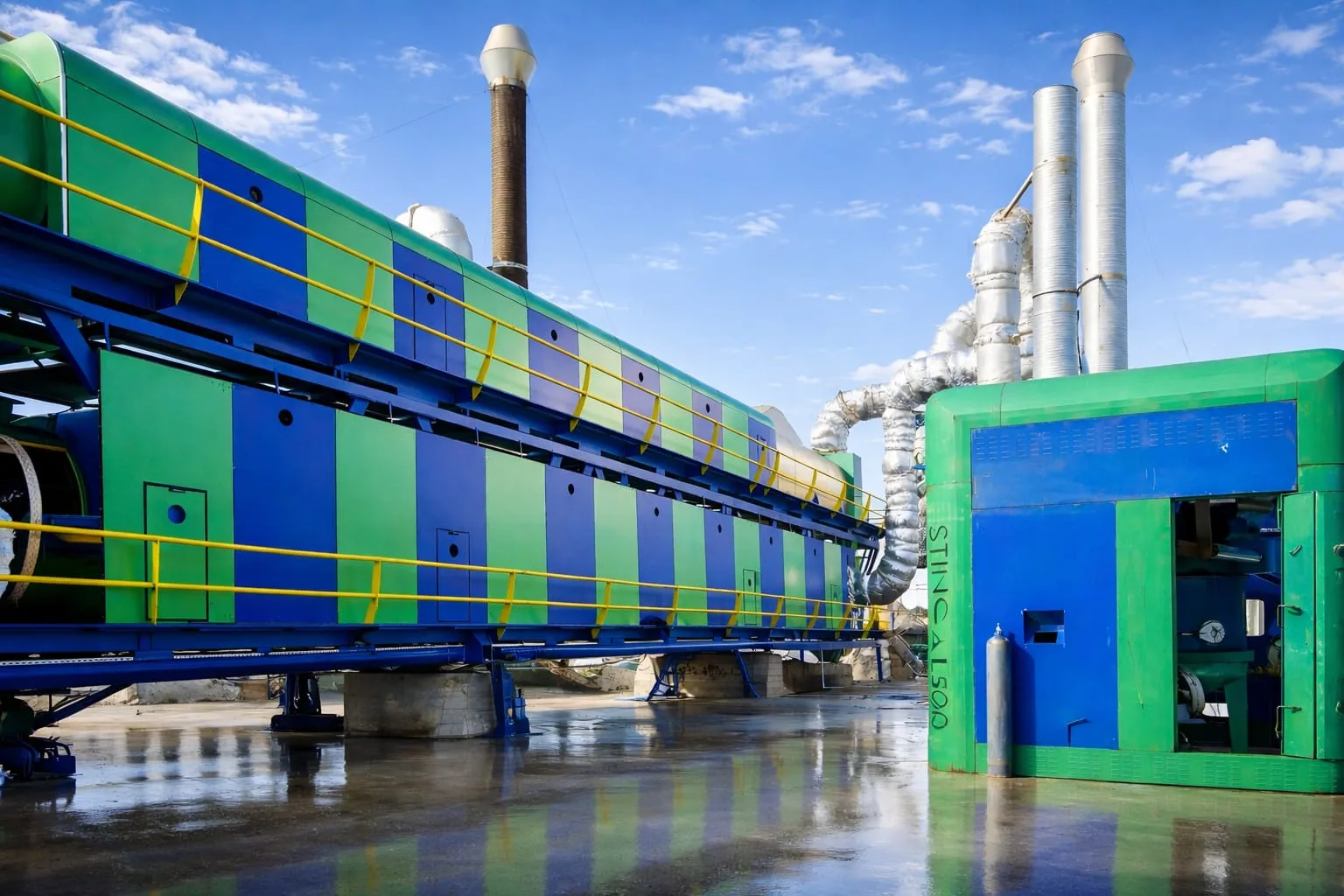
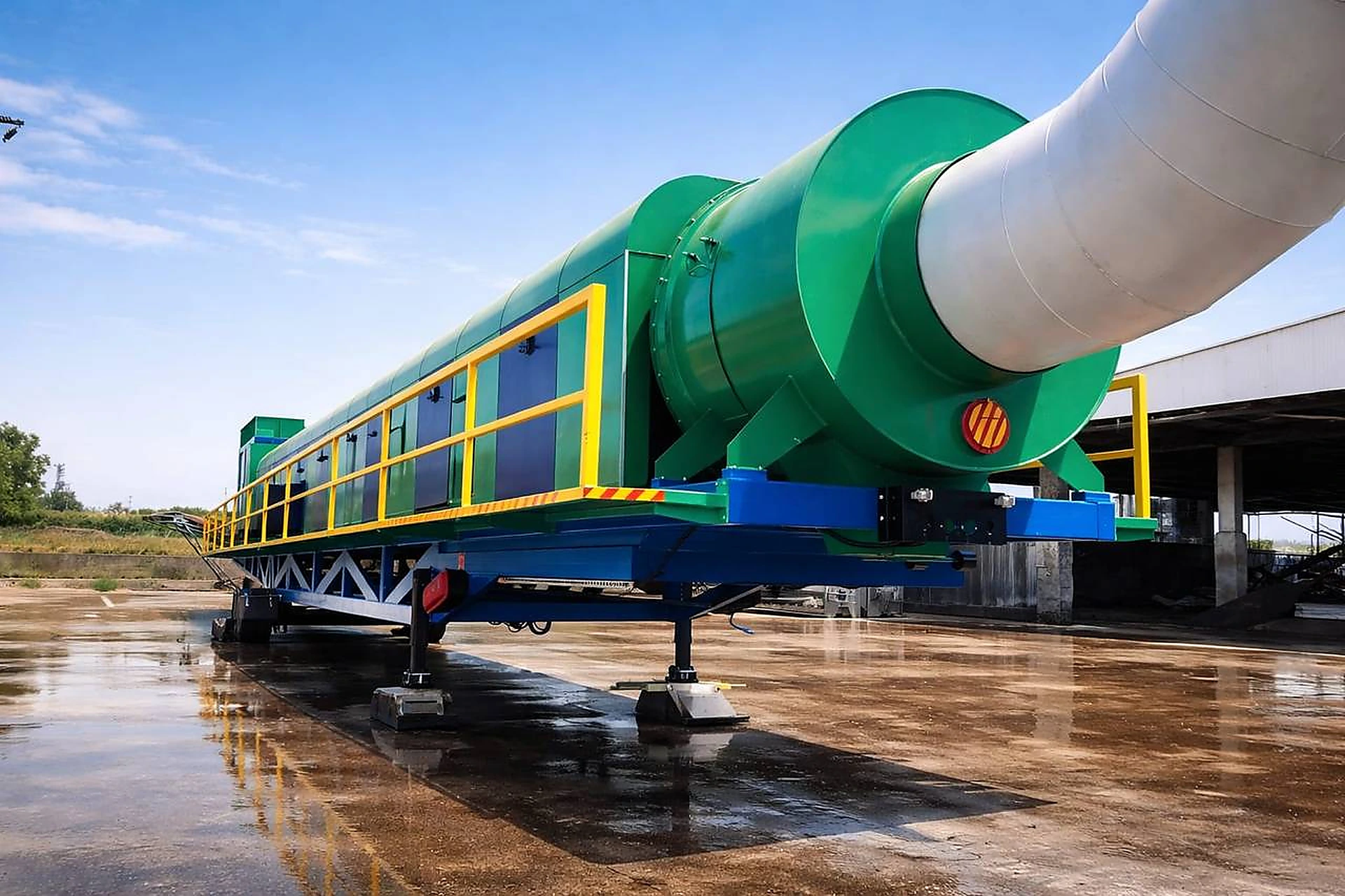
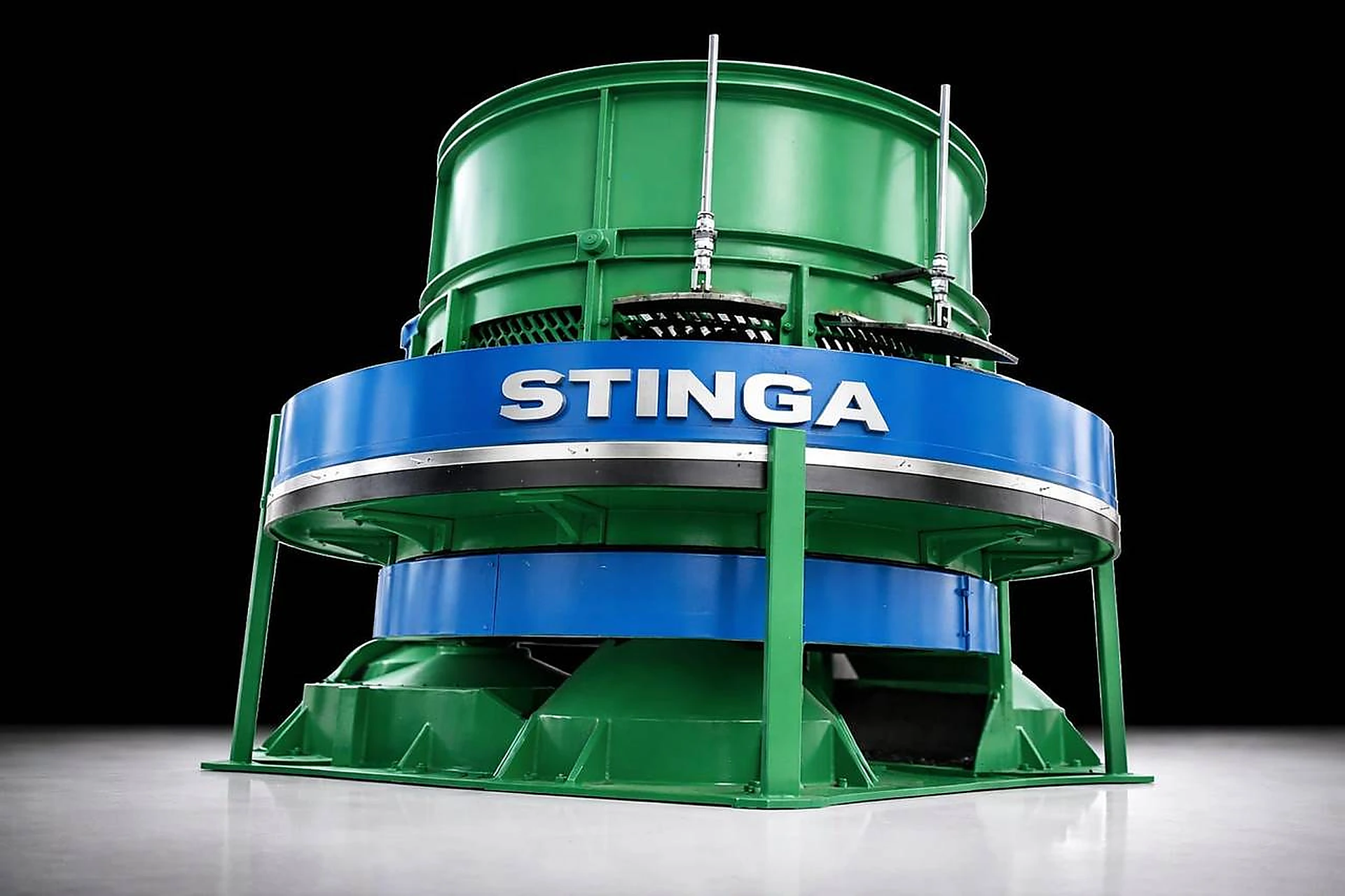
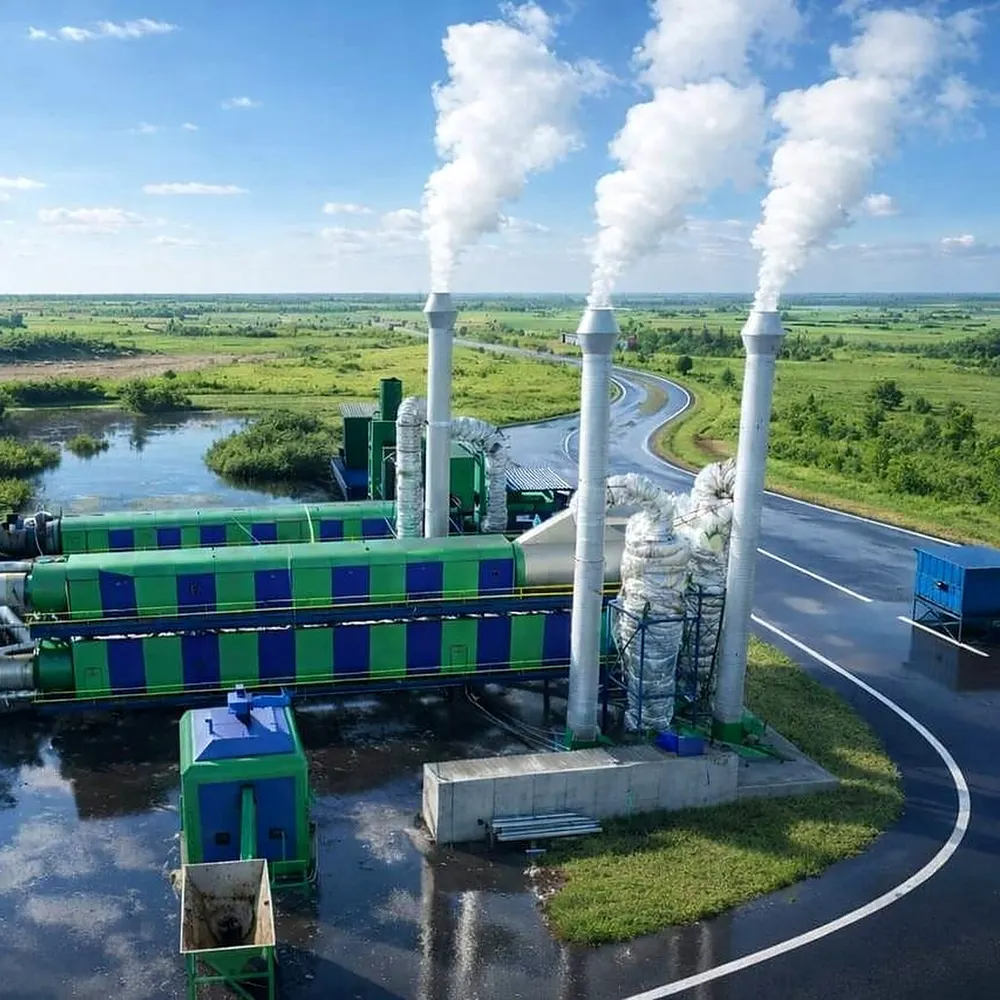 Double-Deck System30 ton/saat
Stack outlet · ENKA measurementNear-Zero Emissions
 Approved by ENKA Accredited Laboratory.
Toxic gas to the stack, not, fire drain
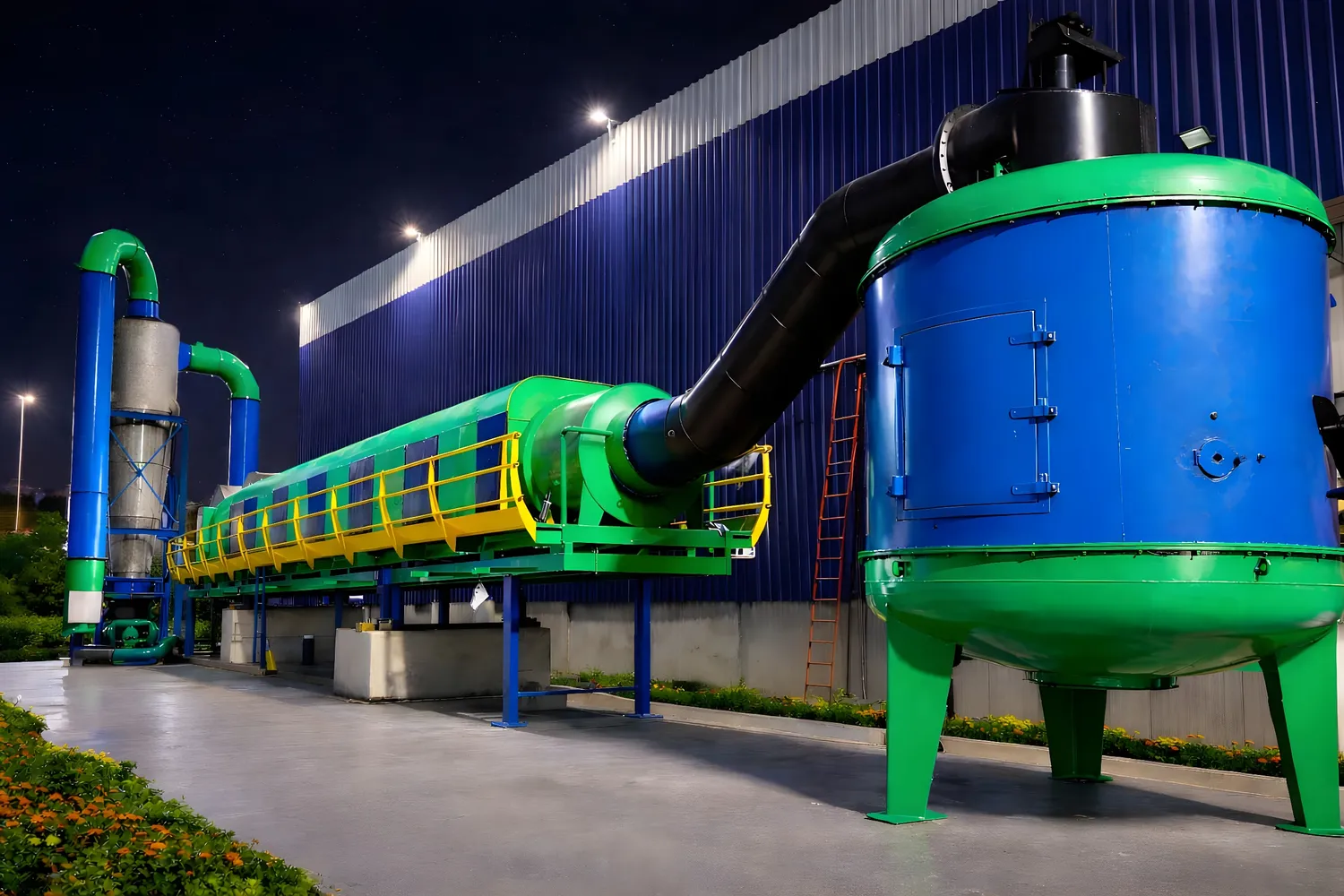
Volatile gases formed during combustion are burned inside the reactor at 1,400–1,800 °C. As the heat moves from the reactor to the rotary kiln and from there to the cyclone, the gases reaching the stack are far below regulatory limits.
- 1.800 °CReactor: heat generation (1.400–1.800 °C), volatile gases burn here
- 900 °CHeat transferred to the rotary kiln
- 74 °CCyclone Outlet
Four machines, one raw material: sewage sludge
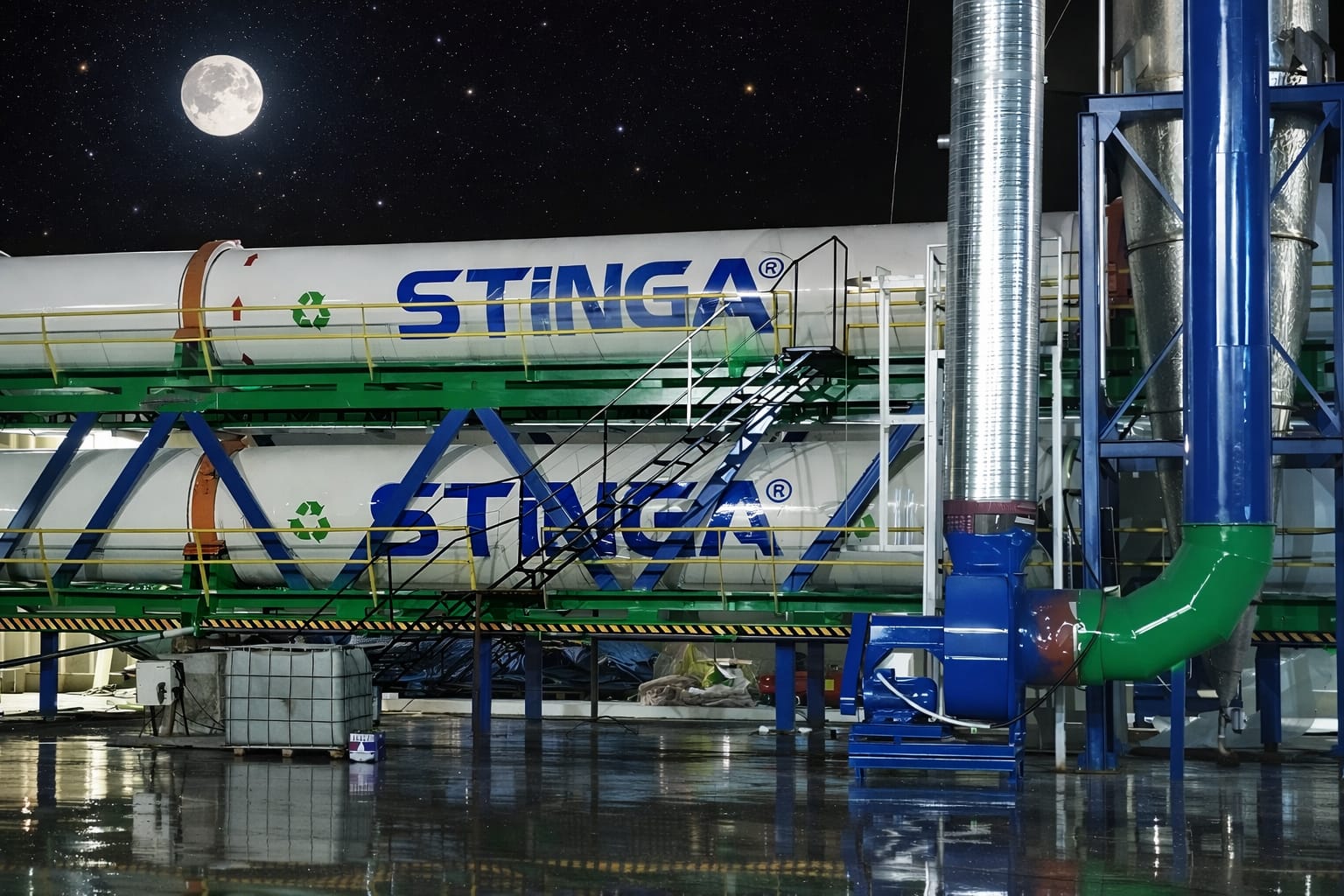
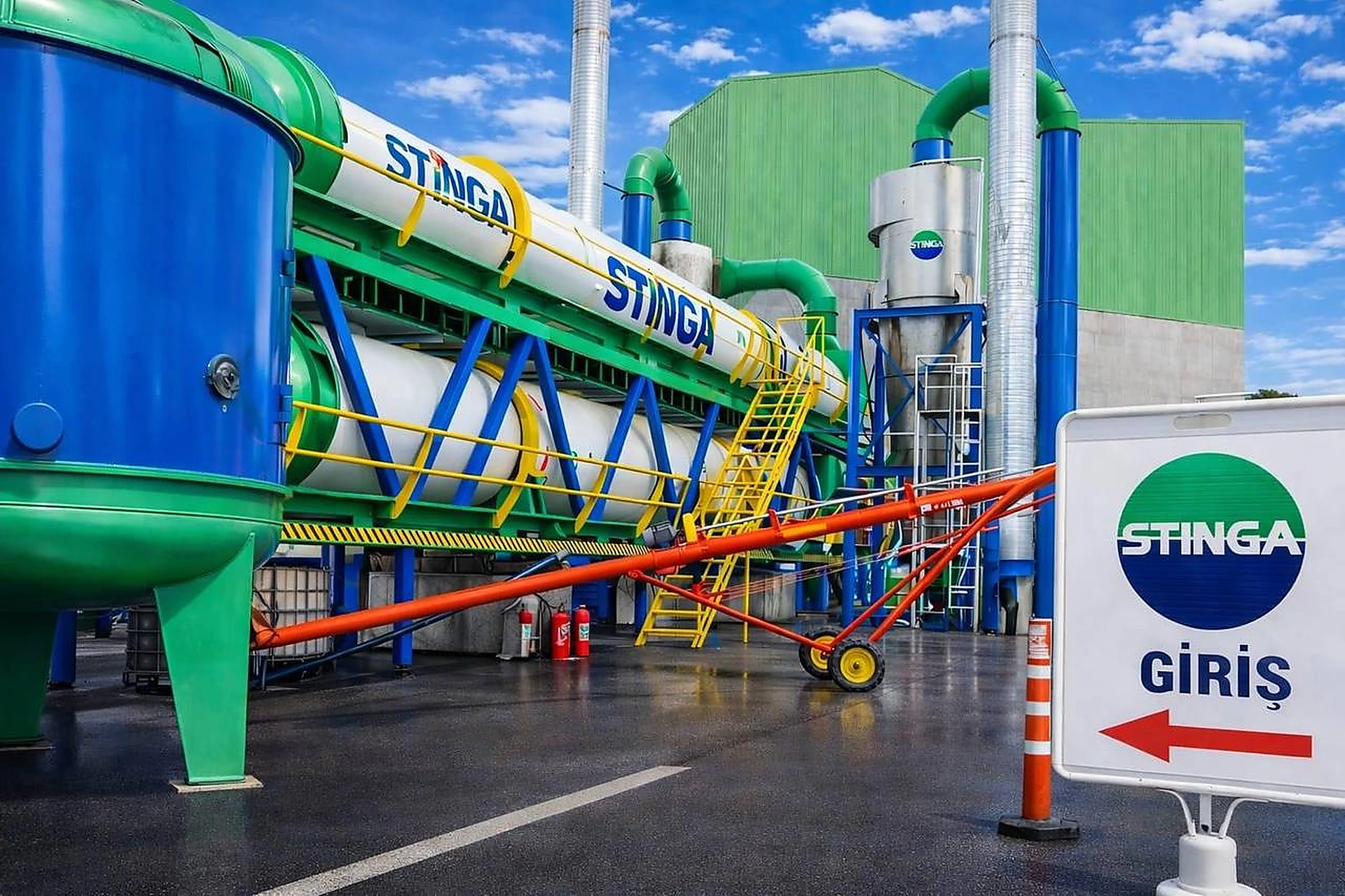
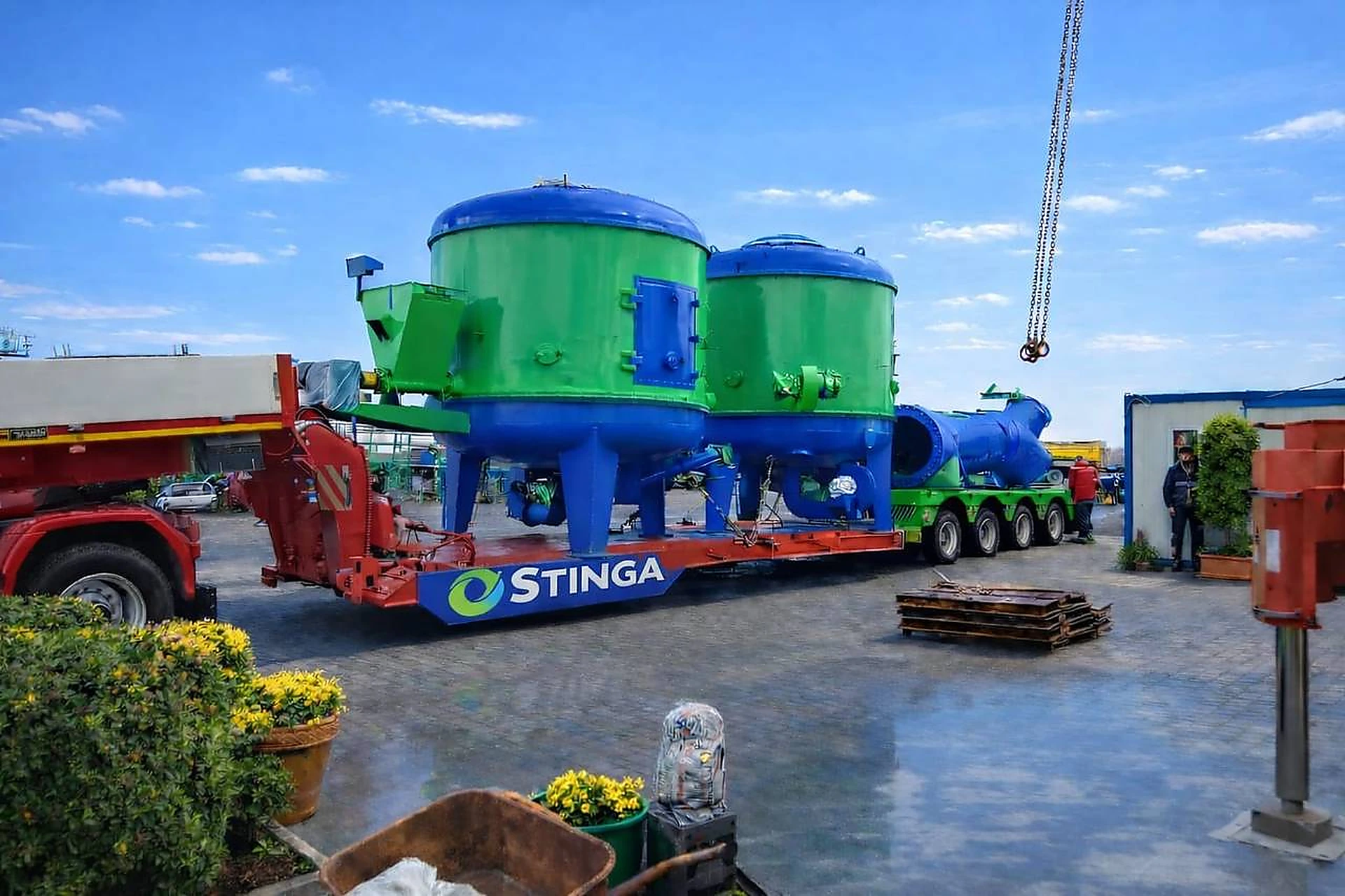
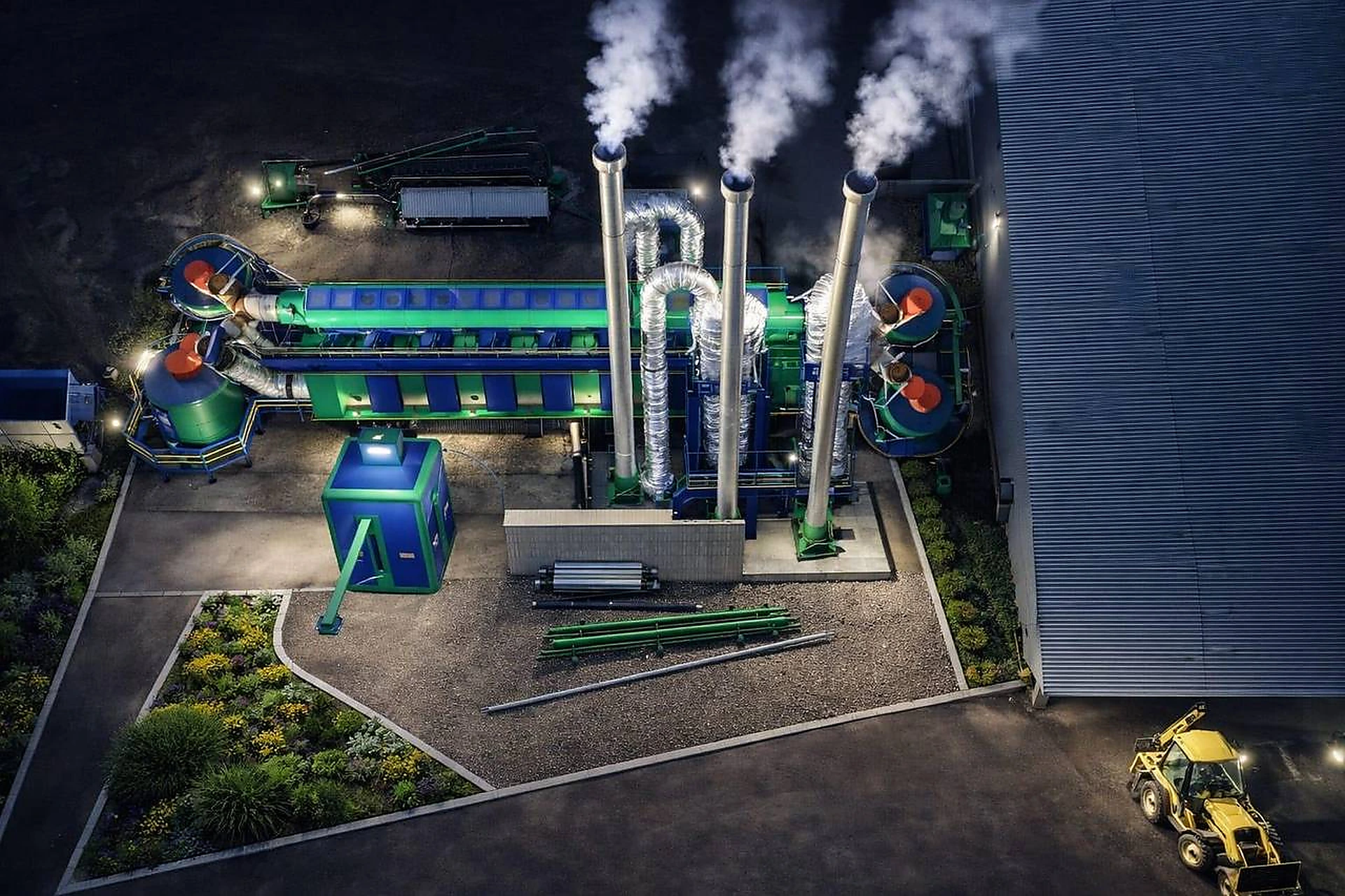
Single-deck, double-deck, Q1500 and the activated carbon unit are operating on the same site. The two films tell the same facility from two different angles: one follows a day from dawn to dusk, the other a night while the city sleeps.
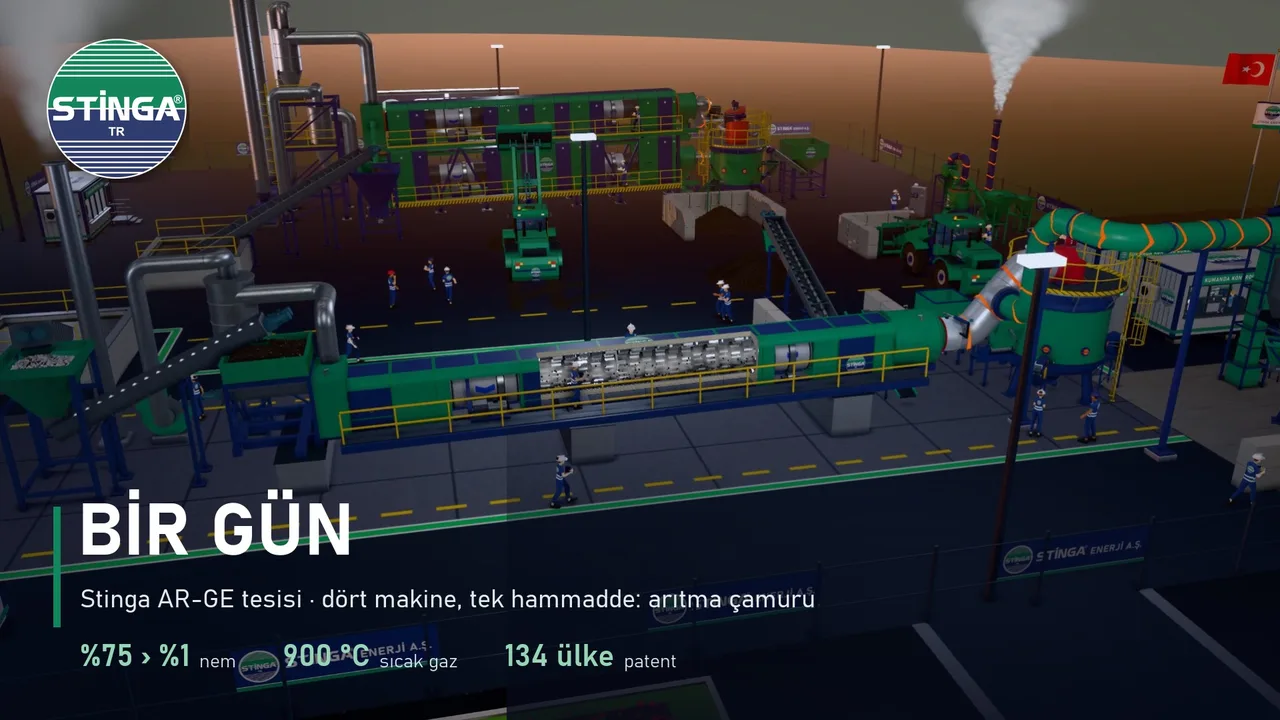 4:17
ONE DAY 4 min 17 sec
From dawn to dusk, each machine one by one: ground and aerial shots, SCADA screens in the control room, and field cameras.
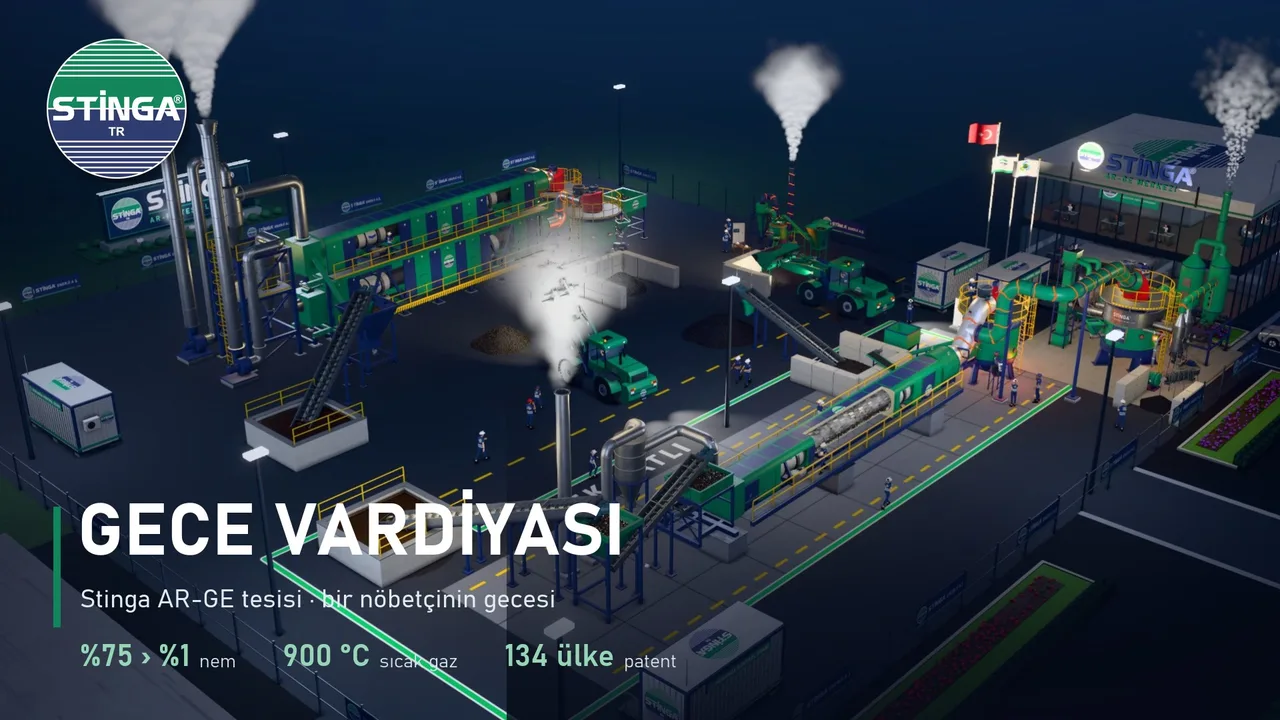 3:10
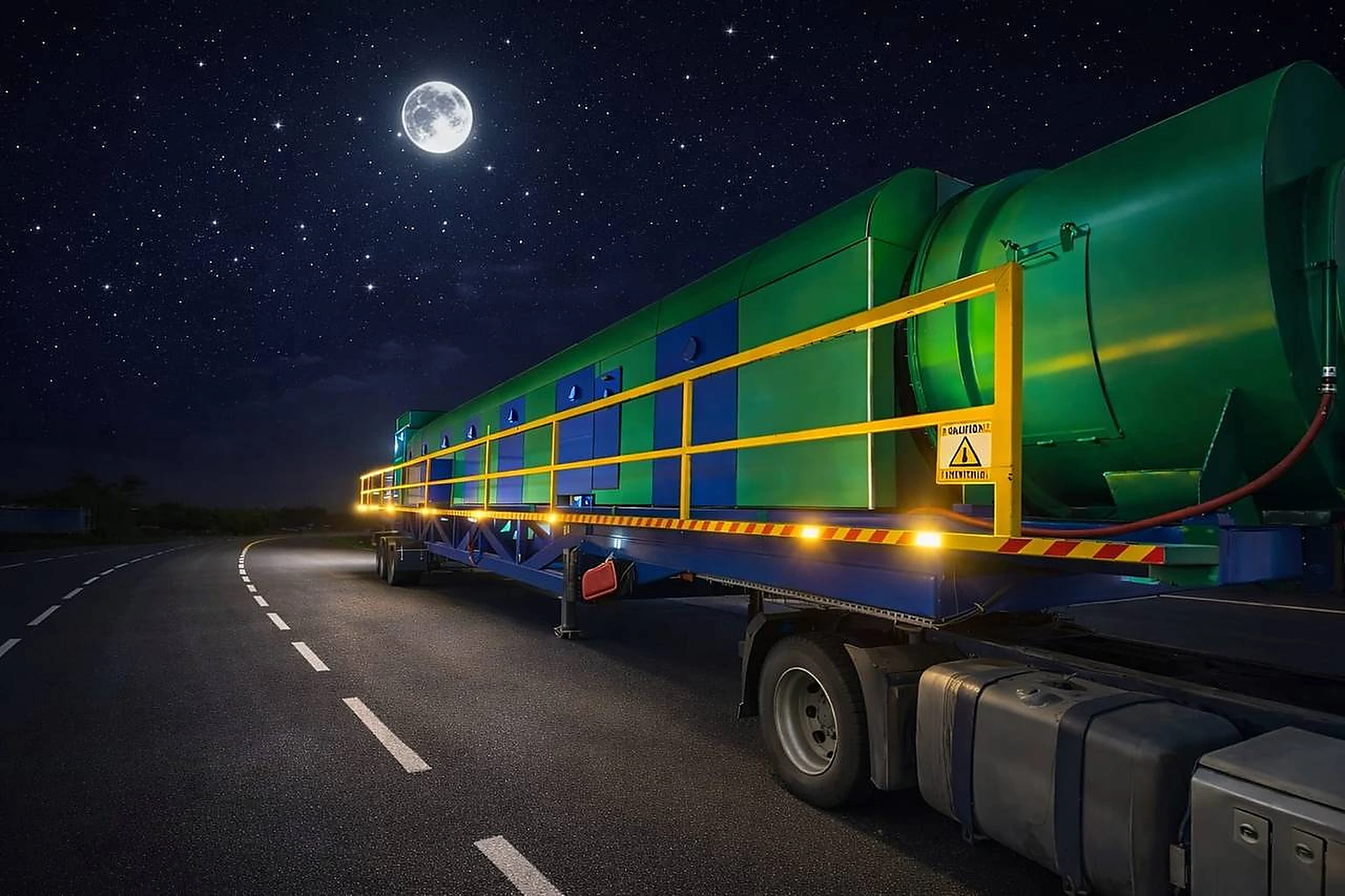
NIGHT SHIFT 3 min 10 sec
Through the eyes of a guard from dusk to dawn: the reactor’s fire, rotary kiln, loaders, and a night with no waste left by morning.
Coal Below Inherent Moisture The Only System That Lowers
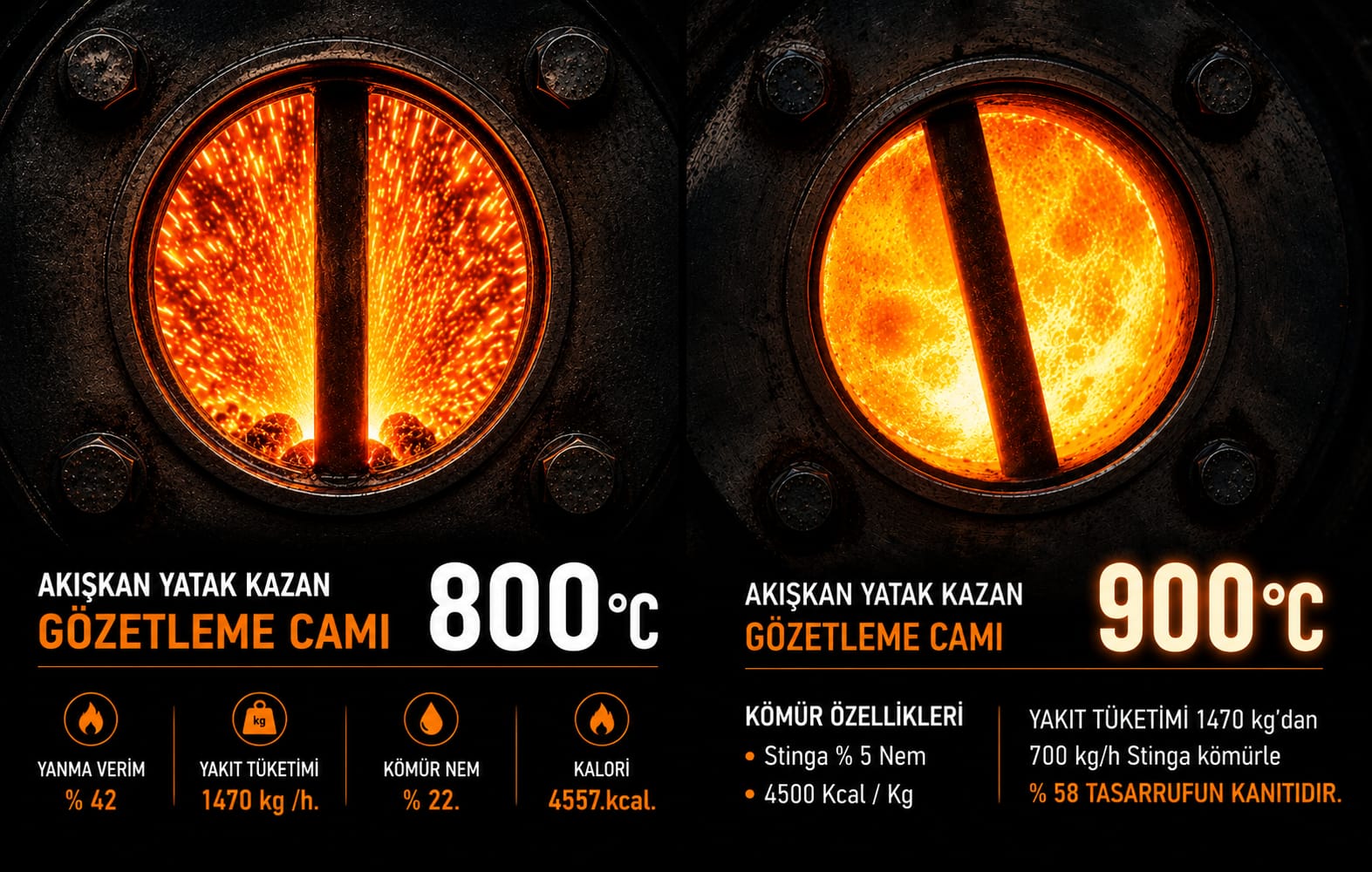
We reduce coal with 55% moisture to 3%. We add +50 kcal in value per moisture unit. Because it is reduced below its inherent moisture, the moisture does not return even after rain or snow — calorific value and sales weight are preserved.
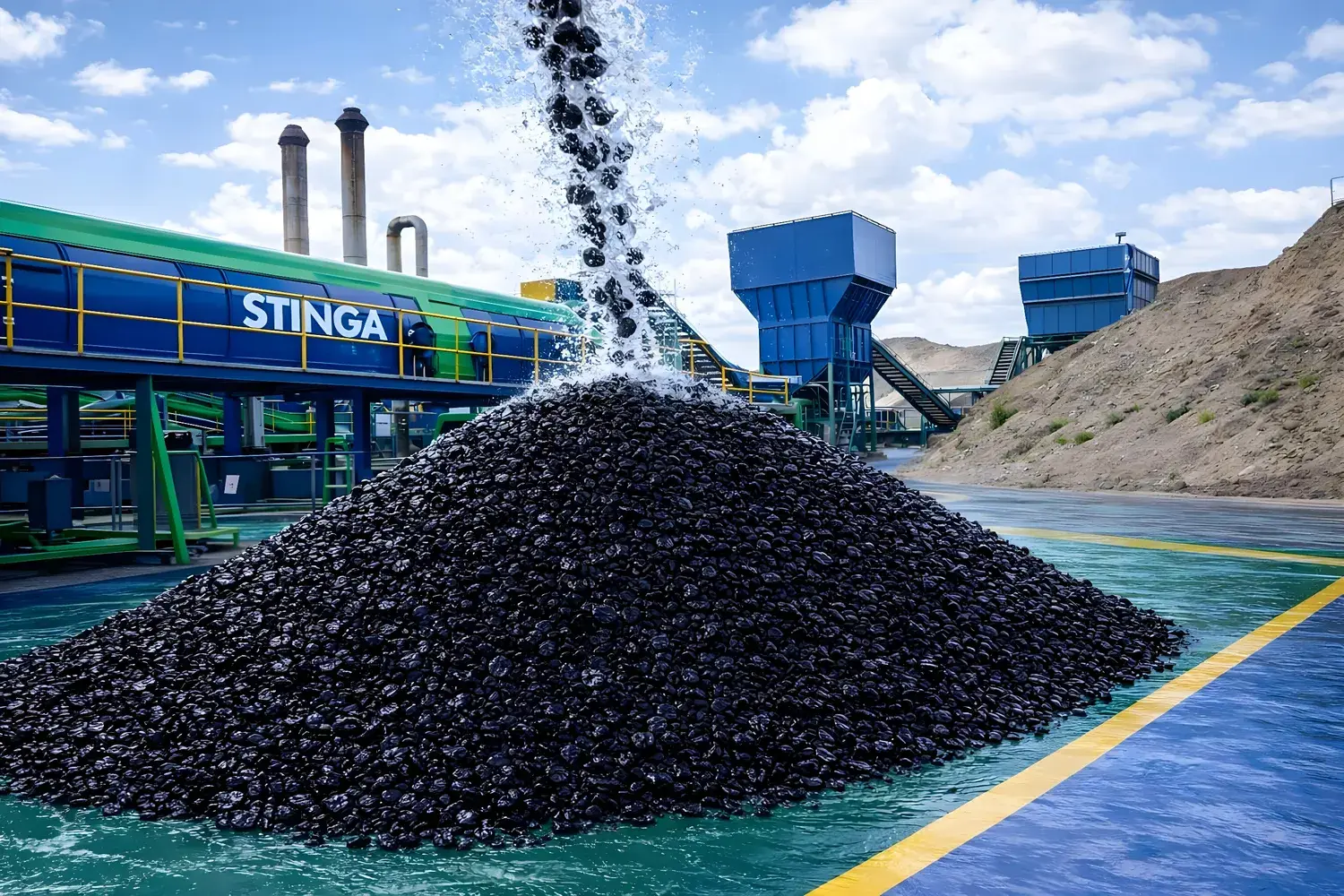 Coal moisture%55 → %55
Below inherent moistureWater Bounces Off the Surface
Technical Documents
 PDF
 PDF
Our Projects
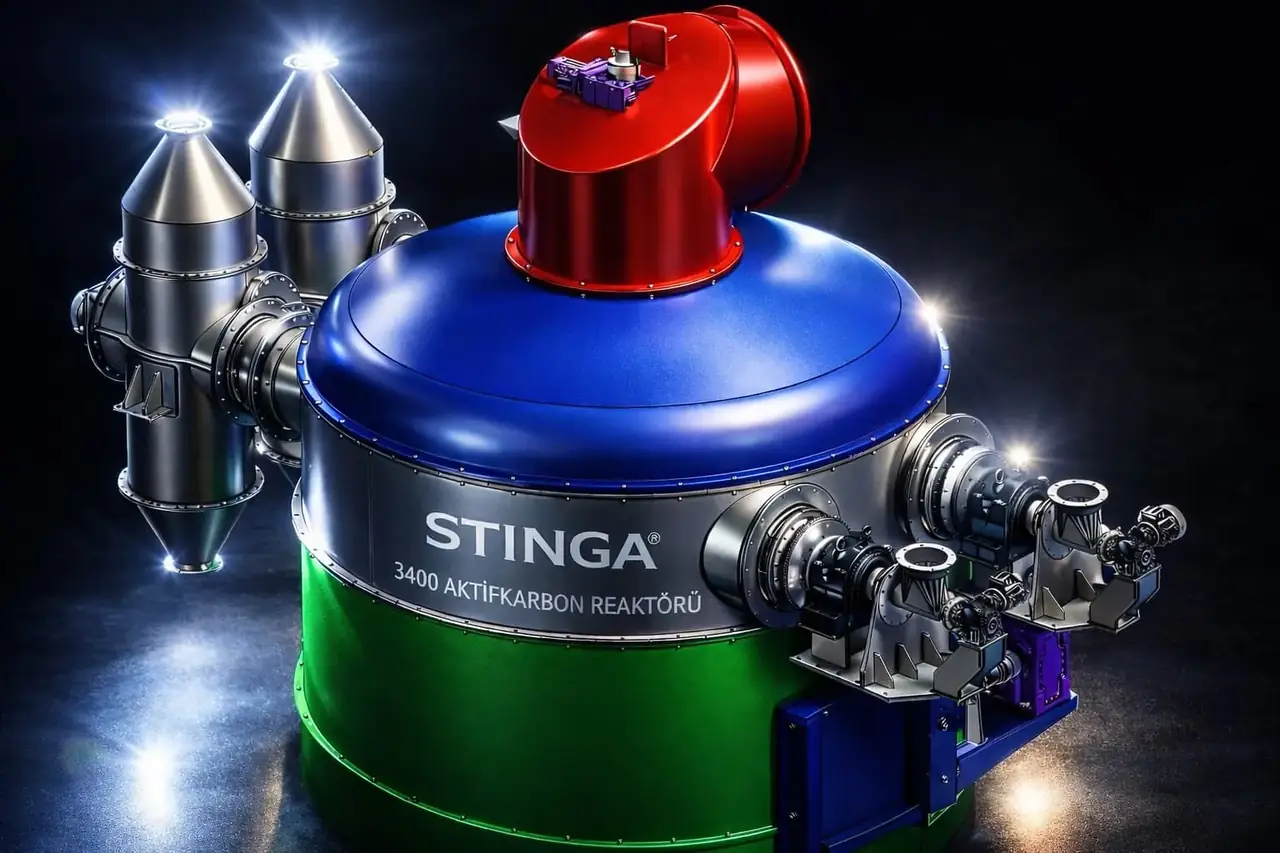
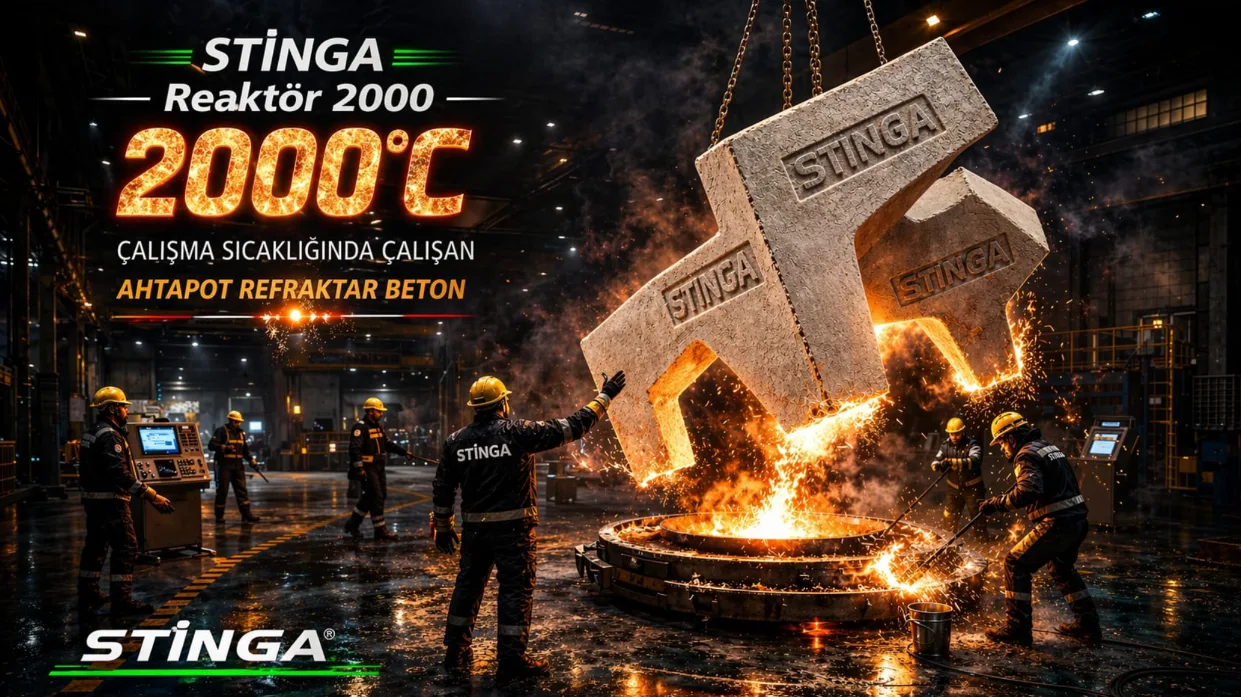
Stinga High-Temperature Reactors
Reactor Technology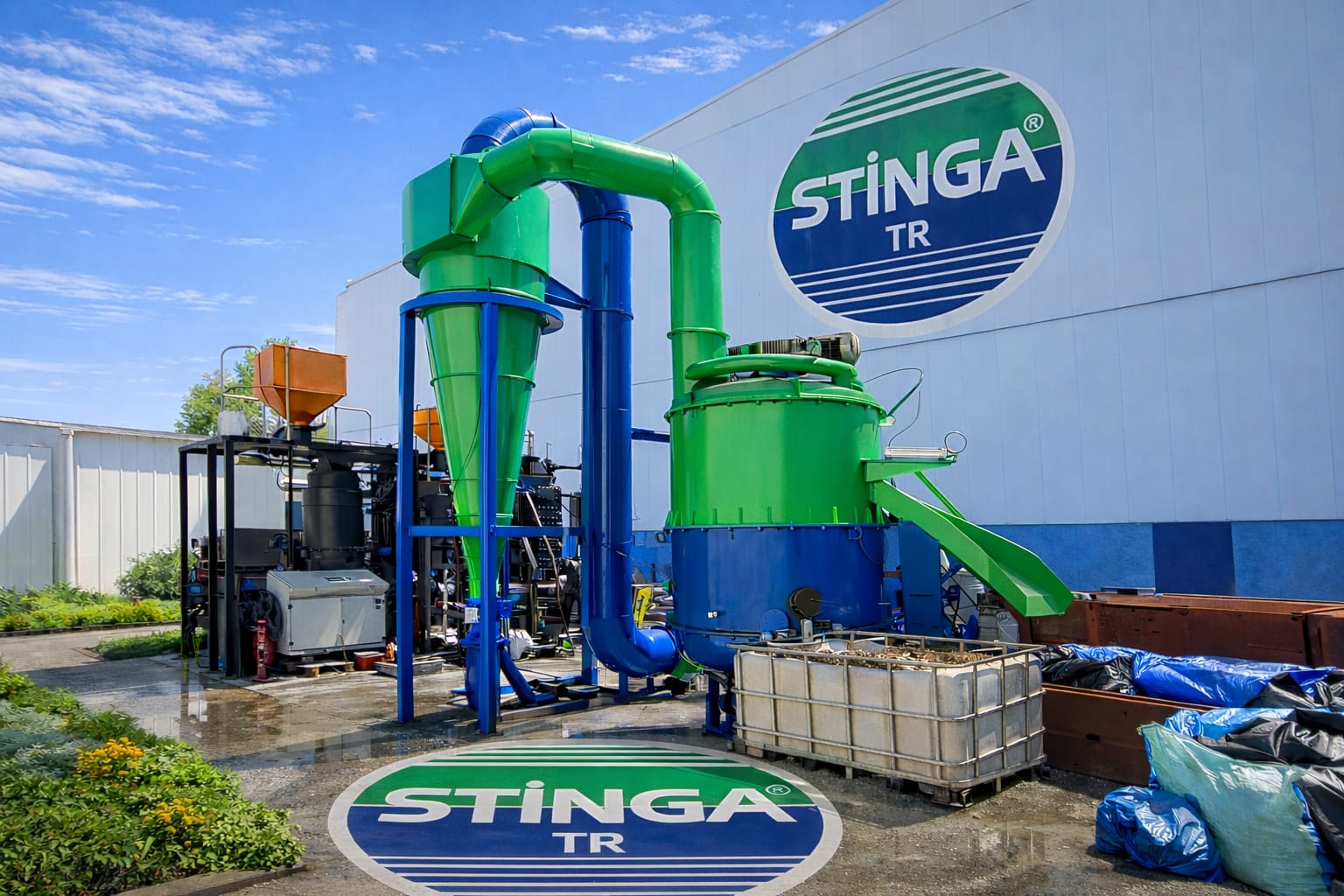
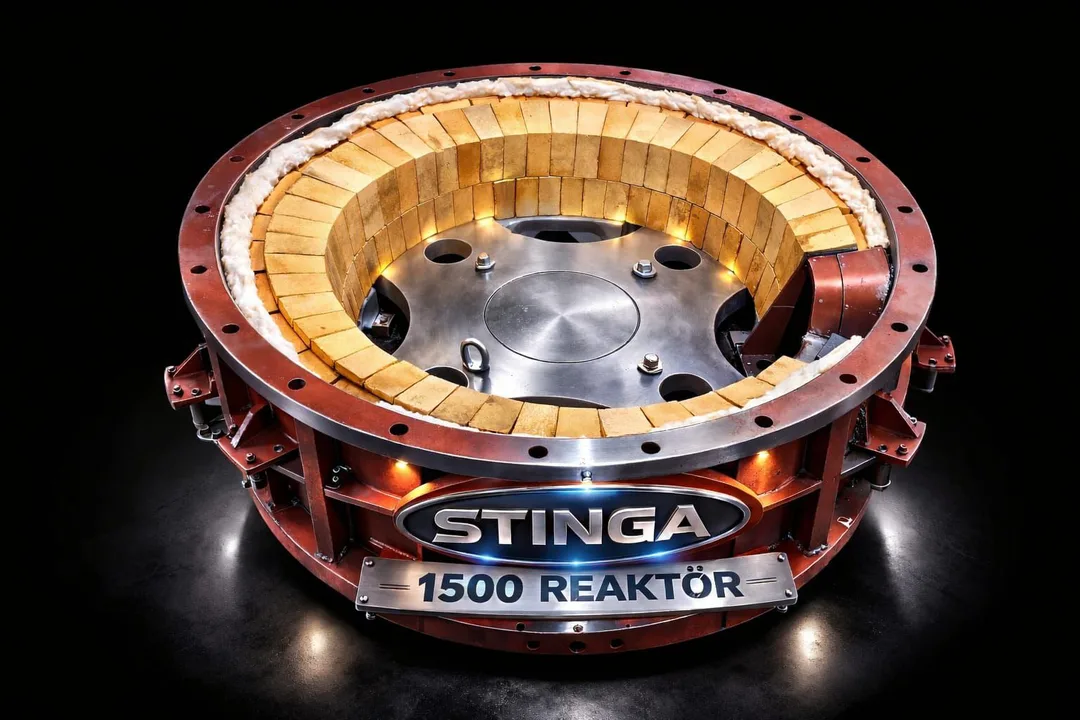
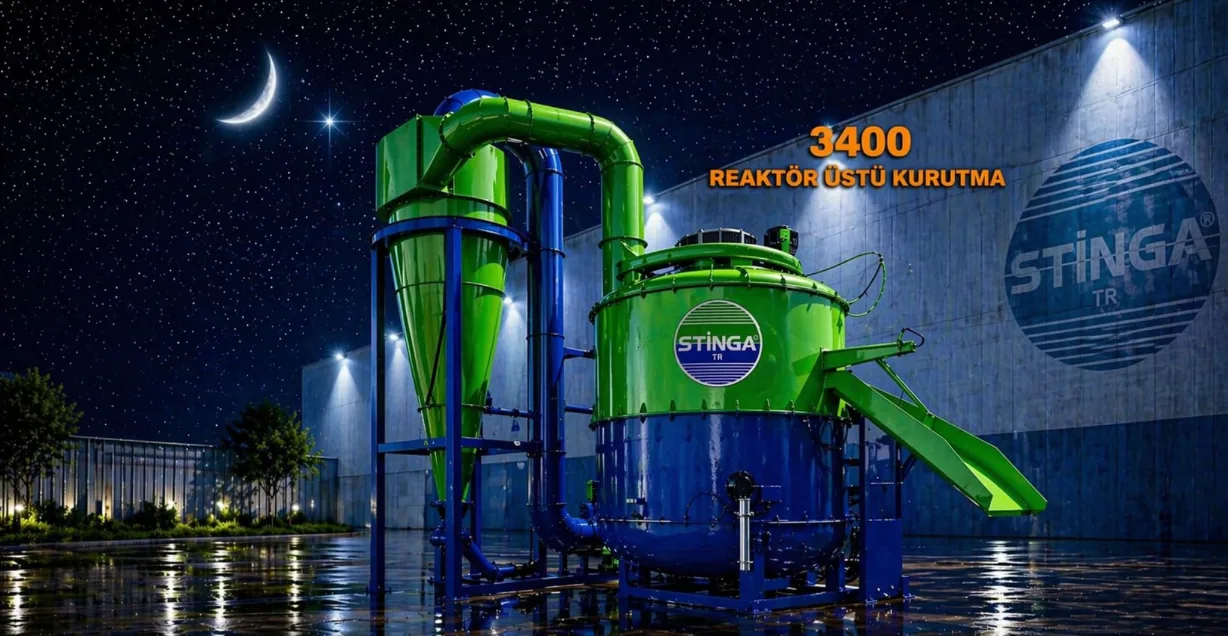
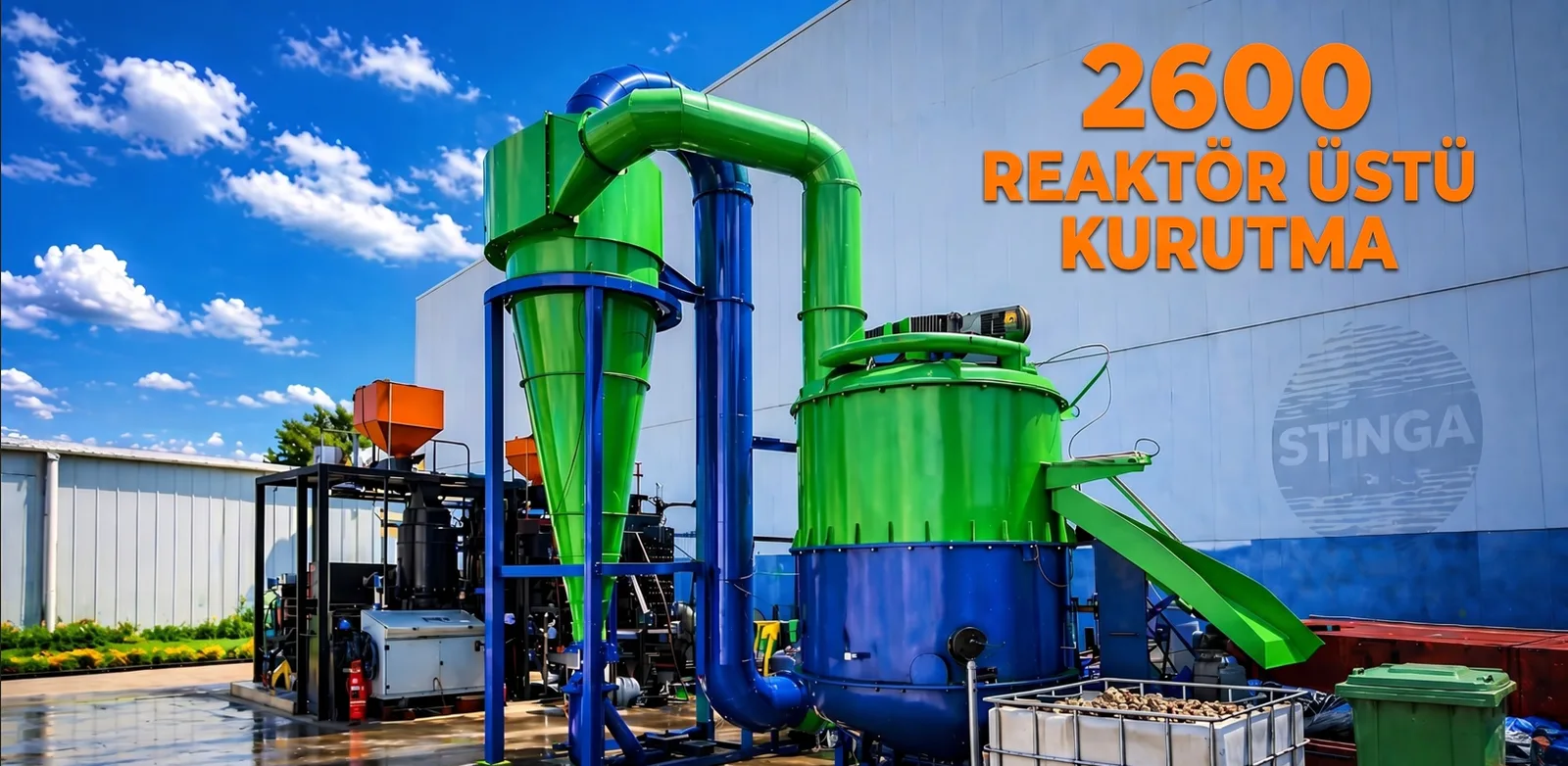
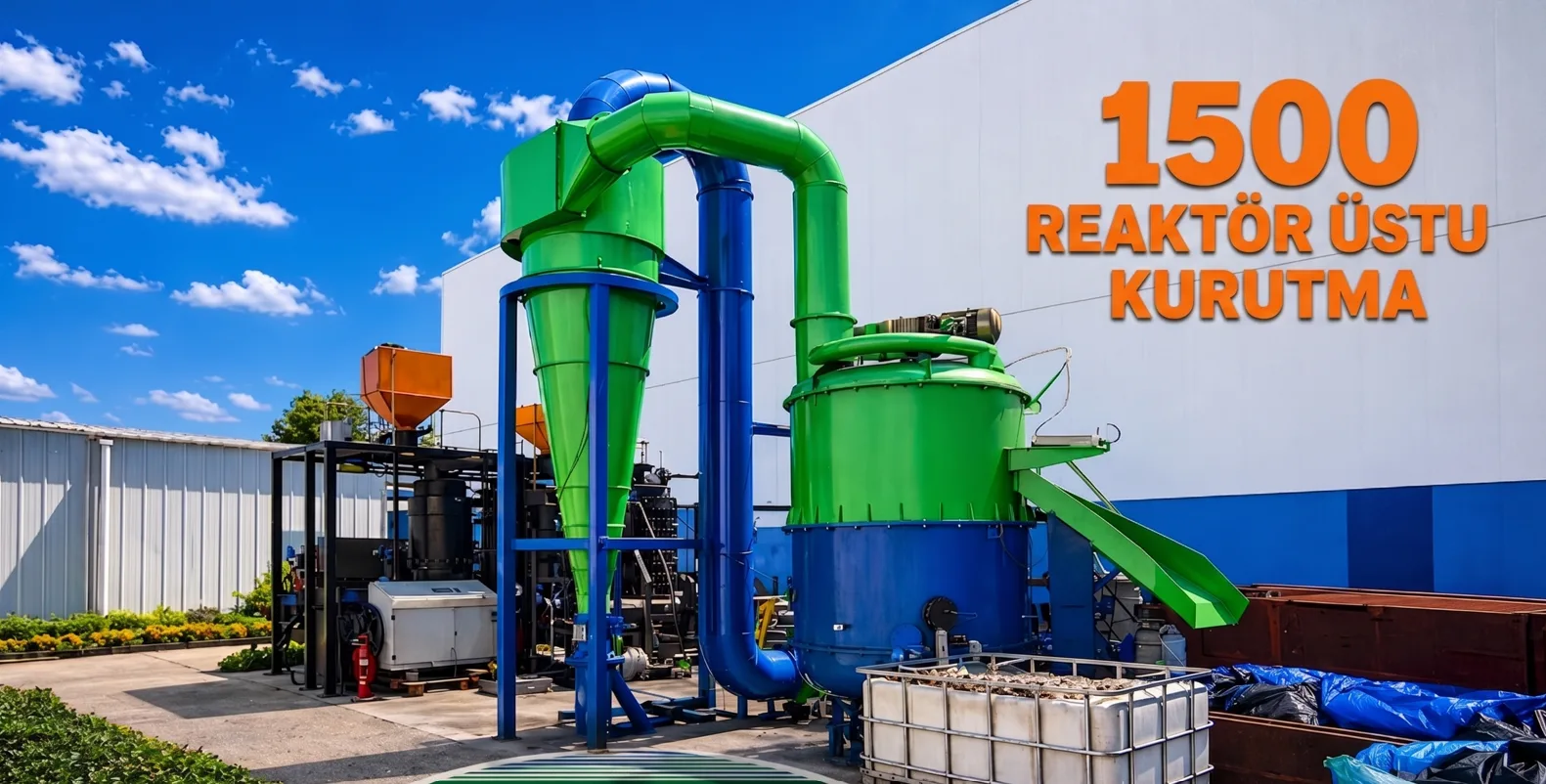
Stinga 1500 Reactor-Top Drying Systems
Reactor Technology
Stinga Single-Deck Drying Systems
Drying Technology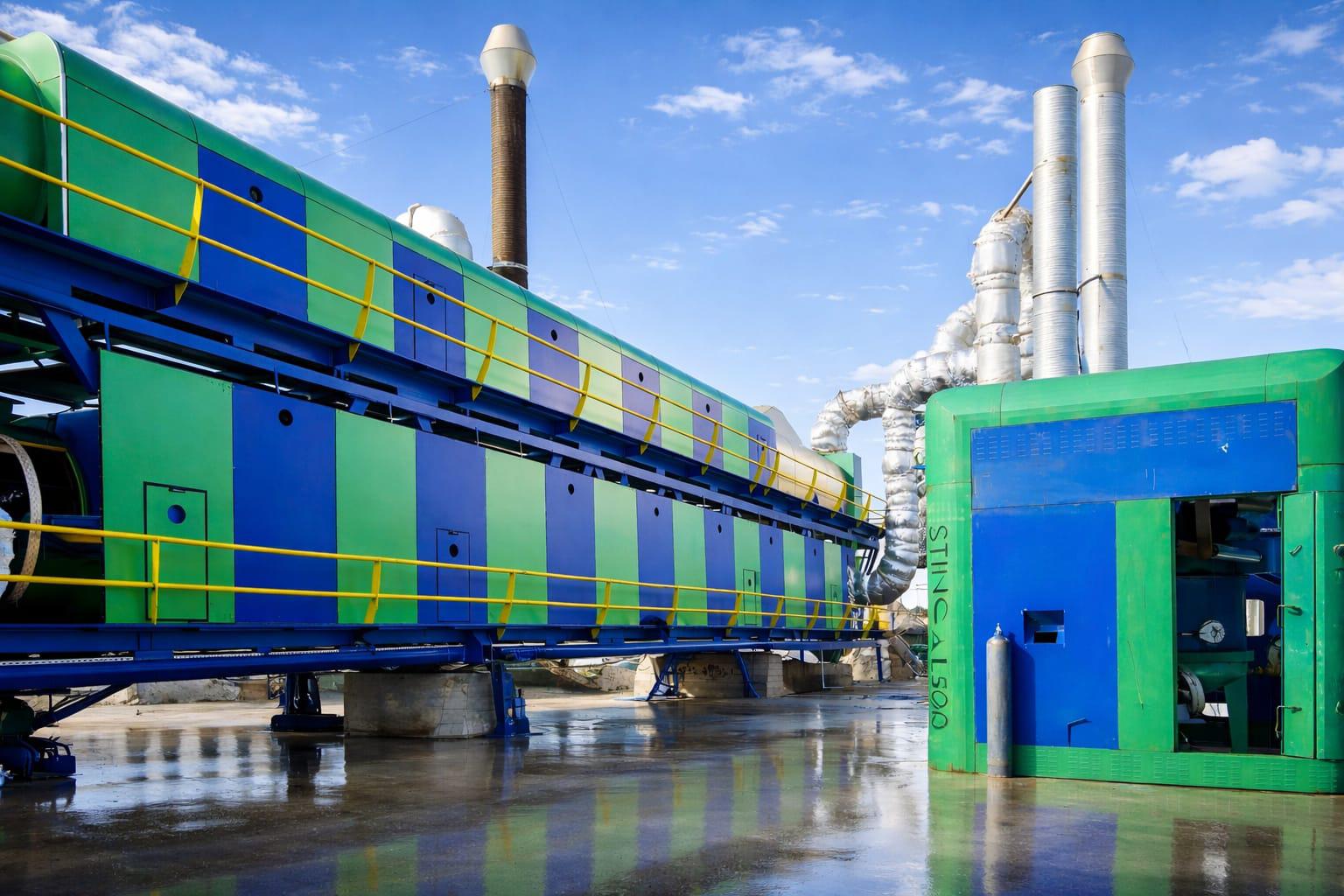
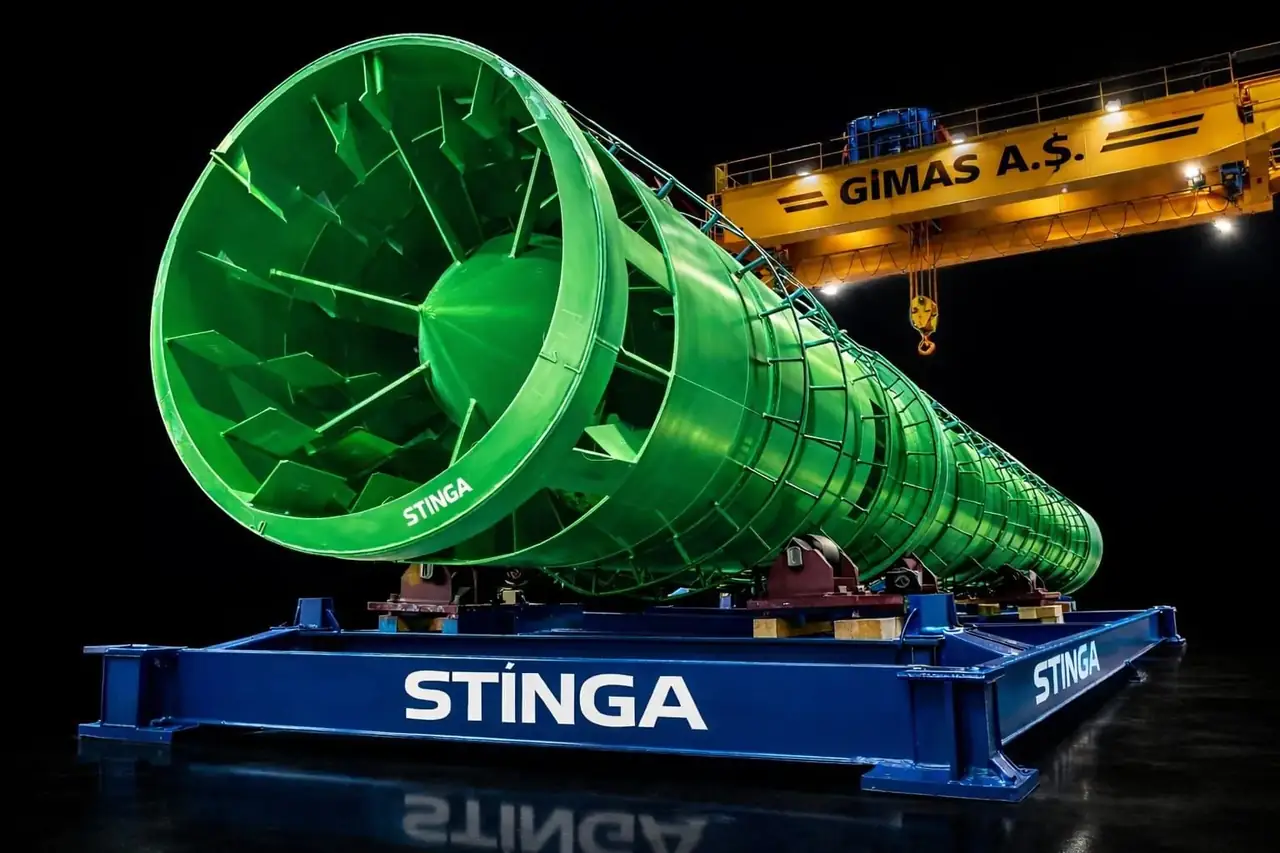
Stinga Double-Deck Drying Systems
Drying TechnologyOur Fields of Activity
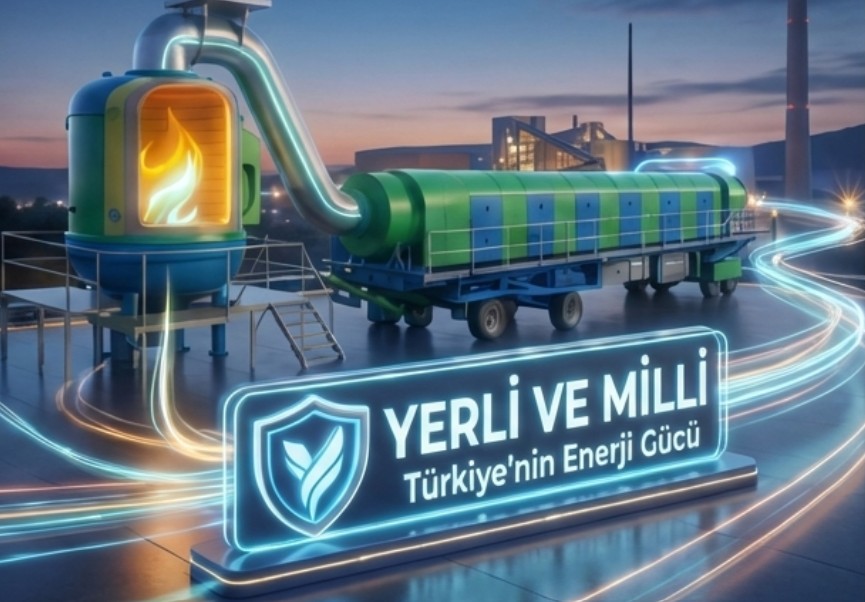
Industrial Machine
Stinga 4D Reactors, drying systems and zero-emission reactor technologies for industrial solutions.
Explore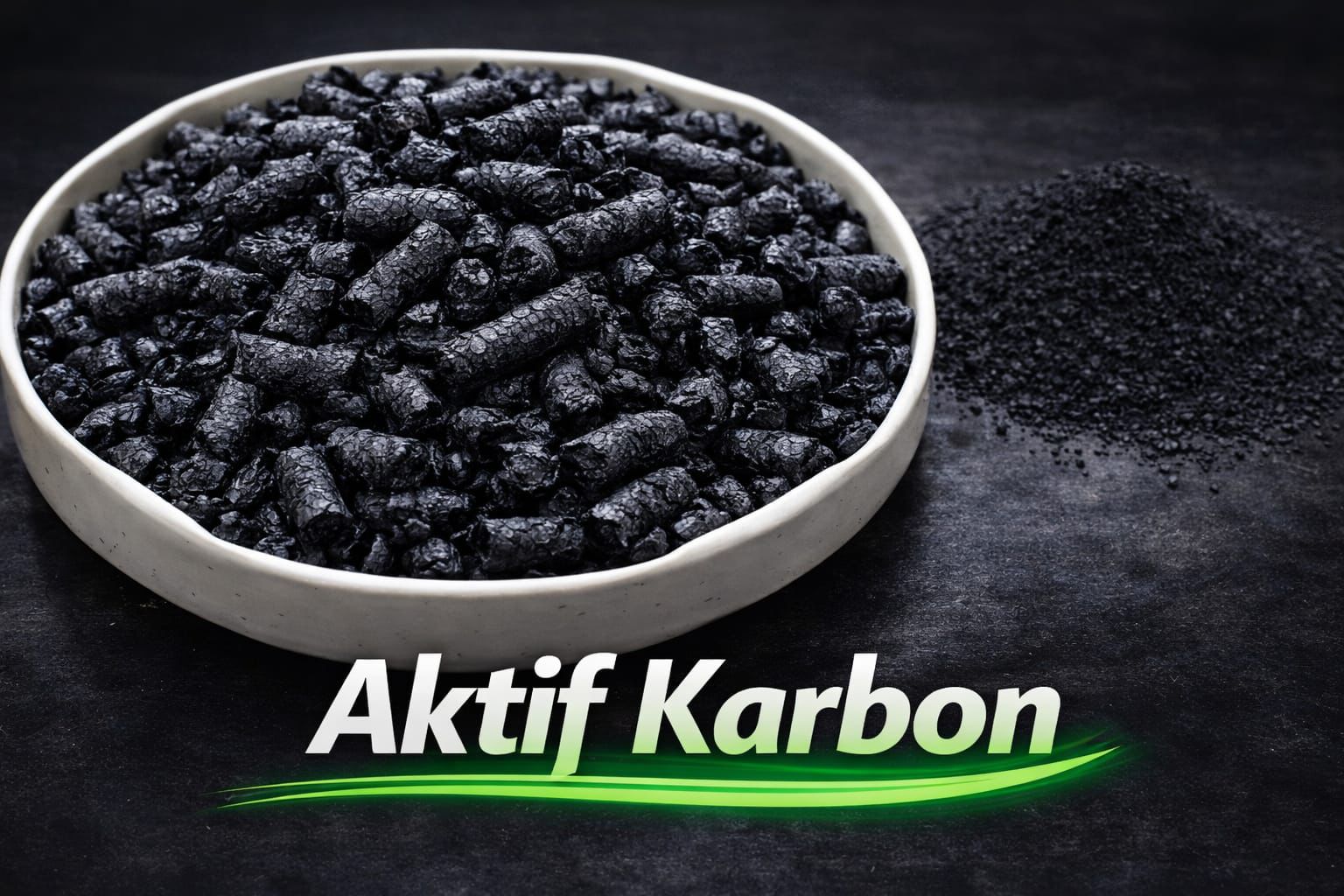
Activated Carbon
Production of activated carbon for drinking water treatment, air filtration and industrial process applications.
Explore

Şenol Faik Özyaman
A Turkish inventor who developed zero-emission combustion technology registered in 134 countries as the result of 18 years of R&D work. Stinga Technology; while increasing the quality and calorific value of coal, it takes its place in the international arena as a one-of-a-kind system in the world that destroys all toxic gases during combustion.
Ambarlı File: Marmara's Bypass Crisis
A look at the third environmental fine issued to İSKİ within 15 months and the structural crisis in wastewater infrastructure from four different angles — analysis, data, an open letter, and an in-depth file.
Marmara's Sludge Burden: Three Penalties, One Root Problem, One Permanent Solution
Three administrative fines in 15 months made the capacity gap in Türkiye's wastewater infrastructure visible. A comprehensive file study from the chronology of the fines to the carbonizing drying alternative.
8.4 Million TL Fine for İSKİ: Third Sanction in the Bypass Scandal in Ambarlı
The Ministry of Environment imposed the third penalty on the facility within 15 months. Four separate discharge points and a bypass line without a flow meter were identified.
Data AnalysisMarmara's Bypass Crisis in Numbers: 100,000 Cubic Meters of Sewage per Day
400,000 m³ capacity, 100,000 m³ bypass, TRY 8.4M fine — the Ambarlı case in numbers.
Open LetterA Permanent Solution to the Ambarlı Crisis Is Possible with Domestic Technology
An open letter from the Stinga Enerji Board of Directors addressed to the Ministry of Environment and İSKİ management.
Sector News
A bio-digital circular framework for sustainable duck feed production using agro-industrial side-streams and aquatic biomass
Markets are pushing electrification. Governments must push harder
Weekly Climate and Energy News Roundup #715
From industrial powerhouse to uncertain future: lessons from Britain’s chemical industry
Stinga Podcast
Stinga Enerji Turning Wet Lignite into Superfuel
It examines the technical details of Stinga carbonization technology, which enriches low-quality lignite coal, and its application results in a thermal power plant. The technology significantly lowers the moisture content in coal, increases calorific value, and creates a stable structure that prevents the fuel from reabsorbing moisture from the outside. In tests, it was observed that coal processed by this method increases combustion efficiency, reduces harmful emission release, and provides energy savings in fuel conveying systems. It is also emphasized that carbonized coal does not carry a spontaneous combustion risk when stockpiled and offers operational advantages thanks to its high heat transfer capability. Field trials in the source prove that if existing boiler systems are optimized for this high-efficiency fuel, maximum fuel savings and environmental benefits can be achieved.
Revolutionary Technology: From Wet Coal to Rocket Fuel
It details a domestically developed combustion and drying technology that converts low-quality, high-moisture coal and various wastes into efficient energy sources. Unlike conventional methods, this system offers an environmentally friendly approach by reducing greenhouse gas emissions to nearly zero, while increasing the calorific value of fuels by more than double. The developed heat generator and rotary kiln design aim to reduce moisture in coal from 55% to 5%, lowering transportation costs and external dependence. Supported by software automation, this invention has been proven by scientific reports to deliver significant fuel savings and high operating profit in industrial facilities and thermal power plants. In addition, the technology makes it easier to store dried materials and allows them to be preserved without absorbing moisture even under adverse weather conditions. As a result, the text describes an economic and ecological industrial revolution that can meet Türkiye’s energy needs with local resources.
Sustainable Future: Domestic Innovation That Reduces Energy Costs by 95%
It introduces a domestically developed combustion technology developed by Stinga Enerji that converts bituminous shale (oil shale) rocks into energy with high efficiency. Designed by Turkish inventor Şenol Faik Özyaman, this system uses a special combustion chamber and grinding technique to provide zero emissions and full oxidation, unlike traditional methods. This innovation, which has the potential to reduce energy costs by 95%, produces far more heat than coal and aims to fundamentally change global energy geopolitics. The project, which received academic approval from Istanbul Technical University, transforms this abundant idle resource in the world into an environmentally friendly and economical treasure. The text emphasizes that this technology can end global energy wars based on a scarcity mindset by reducing costs across all sectors, from agriculture to industry.