

Stinga — Coal Drying Systems
COAL BELOW ITS INHERENT MOISTURESINGLE-DECK DISCHARGING SYSTEM
Reduces coal with 55% moisture to 3%, and we add 50 kcal of value per unit of moisture. Because it is reduced below inherent moisture, moisture does not rise again after rain and snow.
🔬 What Is Inherent Moisture? Why Is It Critical?
Coal's inherent moisture is the amount of water retained in the coal structure, independent of external environmental conditions (rain, snow, humidity). Conventional drying systems reduce coal to a value above inherent moisture; therefore, during storage or transport, moisture is absorbed again from the external environment. The Stinga system permanently solves this problem by reducing coal below inherent moisture (3%).
⚡ 55% → 3%: Calorific Value and Value Gain
Run-of-mine coal enters with a calorific value of 2,100 kcal/kg and 55% moisture. With Stinga, 52% moisture is removed; each unit of moisture adds 50 kcal/kg: 52 × 50 = +2,600 kcal/kg. The output calorific value reaches 2,100 + 2,600 = 4,700 kcal/kg — an increase of above 100% over the original value.
🏭 Difference from Competitors: Reliable Drying Assurance
💰 Value Calculation: Calorific Value Increase Above 100%
Incoming coal arrives with 2,100 kcal/kg. With Stinga, 52% moisture is removed, resulting in a gain of +2,600 kcal/kg and an output of 4,700 kcal/kg. This corresponds to an increase of above 100% of the initial calorific value. Based on TKİ April 2026 sales prices, this calorific increase directly reflects in revenue per ton.
💰 Coal Drying Gross Profit Analysis
Instead of selling wet coal, selling it after drying with Stinga: the difference between buying and selling prices creates gross profit after expenses are deducted. The chart below has been calculated with current data.
• Input moisture: 55% → Output moisture: 3% · Moisture reduction: 52% · 1 unit of moisture = 50 kcal
• Input calorific value: 2,100 kcal + 2,600 kcal gain = 4,700 kcal output (increase above 100% of original)
• Mass conversion: 1 ton run-of-mine (55% moisture) → ~0,464 ton dry (3% moisture)
• Industrial electricity: ~5,46 TL/kWh ≈ 0,122 EUR/kWh (EUR/TRY: ~44,85 · April 2026)
• Fuel cost: Self-produced dry coal is used → calculated from TKİ sales price (108 EUR/ton · April 2026)
• Month: 720 hours (30 days × 24 hours) · Year: 12 months · Gross profit excluding taxes
📐 Installation Site Requirements
The plant area required for both coal drying systems is summarized in the chart below. All areas must be open area and the ground must be prepared as project-suitable concrete.
System Comparison
Which System Should I Choose?
Featured Features
Stinga Difference in Coal Drying
Permanent Drying Assurance
Coal that drops below inherent moisture does not reabsorb moisture even in rain and snow — its calorific value and selling price are preserved.
+2,600 kcal/kg Gain
52% moisture is removed; each unit of moisture adds 50 kcal of value: 2,100 kcal + 2,600 kcal = 4,700 kcal output. An increase above 100% of the original value.
Weight and Transportation Savings
A 52% moisture reduction significantly lowers transportation weight — transportation cost per ton decreases.
Autocritical Energy Cycle
The system can use its own dried coal as fuel; dependence on external energy decreases.
Suitable for Any Coal Type
High performance in all coal types — lignite, hard coal, bituminous coal, anthracite.
134 Country Patent
Stinga technology is registered in 134 countries — industrial assurance and legal durability.
Application Areas
Coal Drying Sectors
Coal Mines
On-site drying of wet coal coming from the mine for pre-transport calorific value and weight optimization.
Thermal Power Plants
Drying stock coal to stabilize fuel quality and improve boiler efficiency.
Cement Industry
It increases calorific value by reducing the moisture content of coal used as kiln fuel — directly lowering fuel costs in cement plants.
Industry Advantages
Sectoral Advantages of Coal Drying
The Stinga system reduces coal below its inherent moisture level, delivering lasting calorific value gains and cost advantages at every stage — from storage to export, from briquette production to processing plants. Guaranteed high performance across all coal types.
Port & Export
Bringing it to the moisture standard before export — meeting the calorific value requirements of the buyer country.
Briquetting & Processing
Raw material moisture standardization in briquette production and coal processing plants — homogeneous and high-quality product output.
Any Coal Type
Lignite, hard coal, bituminous coal, anthracite — drying below inherent moisture is guaranteed for all coal types.
Coal Stockyards
Preventing moisture increase during storage to preserve long-term calorific value and selling price.
Media Gallery
Photo & Video
We Are Experts in Coal Drying.
Other Industries Also Prefer Us.
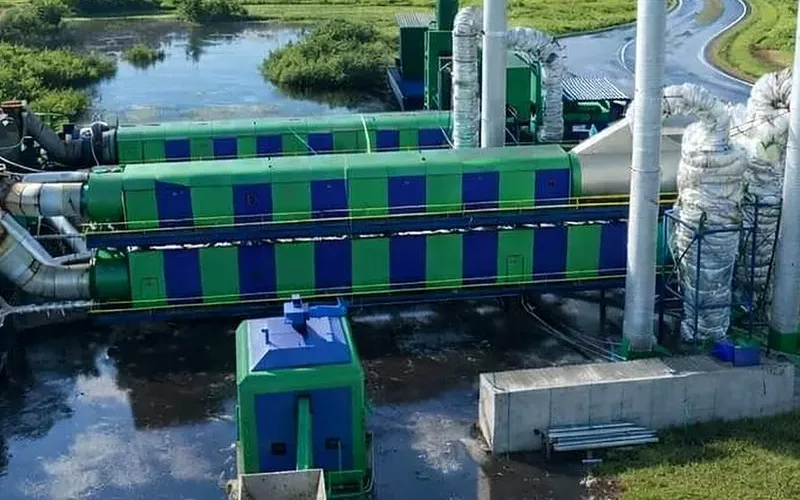 Sewage Sludge Sector
Sewage Sludge Disposal Systems
We reduce 75% moisture sewage sludge to 1-5% moisture. Complete disposal; the dried sludge generates revenue as biofuel.
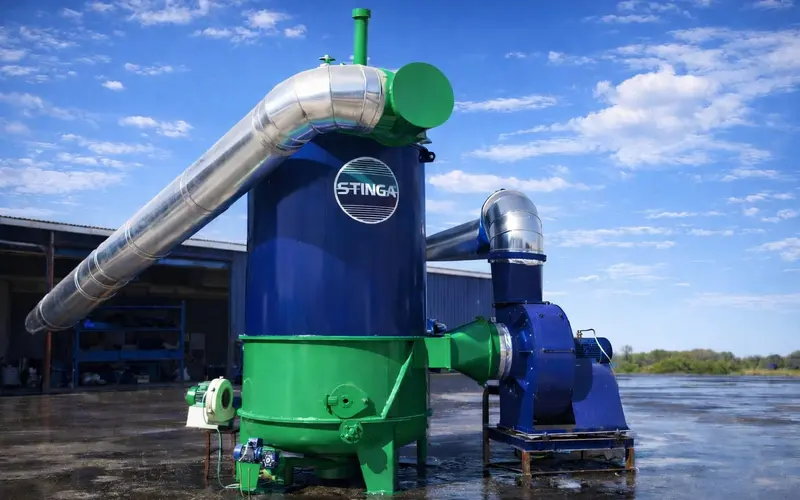 Poultry Sector
Poultry Systems
Litter disposal and poultry house heating solutions. A fully integrated system that turns waste into revenue and energy into savings.
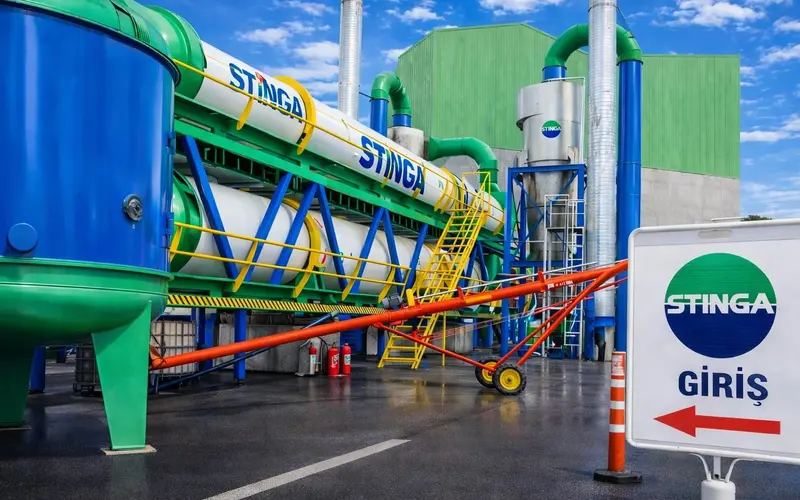 Industrial Mineral
Bentonite Drying Systems
We reduce raw bentonite from the mine with 30% moisture to 10%. A product ready for crushing, screening, and cat litter packaging.
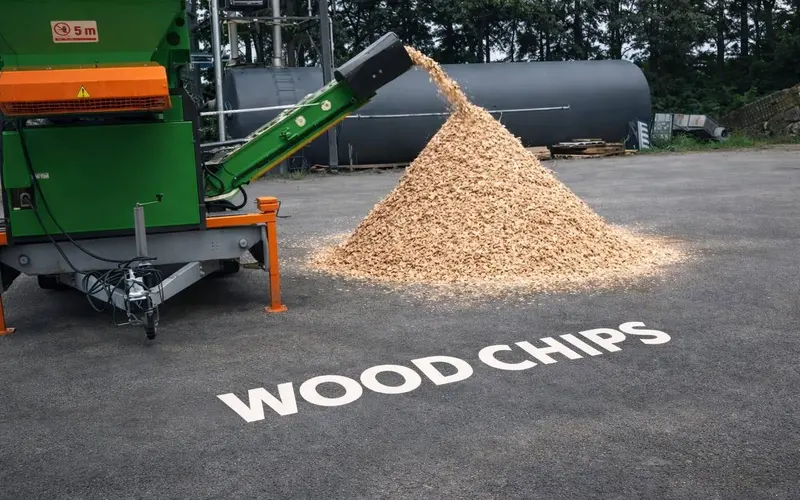 Biomass
Wood Chips Drying Systems
It dries pine wood chips with 55% moisture down to 5%. Convert wet wood chips into high-value biofuel.
LET'S MAXIMIZE THE VALUE OF YOUR COAL
We prepare a free calorific value increase and revenue analysis based on your daily coal production amount.
Stinga — Double-Deck Sewage Sludge Drying System
HIGHEST CAPACITY10,000 KG / HOUR
Designed for large-scale municipal wastewater treatment plants, the flagship sewage sludge drying system with a double-deck architecture that delivers maximum efficiency.
⚡ Fuel Selection and Capacity Relationship
The nominal operating capacities of our systems have been optimized for the use of externally sourced fuel with a value of 6,000 kcal/kg. When fuels with this calorific value are used, our machines operate at the committed maximum efficiency rates.
🔄 Use of Self-Produced Fuel (Recovery)
When the system uses the sewage sludge it has dried itself as fuel, the hourly consumption increases because the fuel’s calorific value is low. For example; while a drying capacity of 10,000 kg per hour in the double-deck system with 6,000 kcal fuel is achieved, using low-calorific sewage sludge reduces this capacity to 7,000 kg per hour. In terms of operational efficiency and high output rate, this method is not recommended by Stinga.
🏭 High-Value Biofuel (RDF) for Cement Plants
Stinga drying technology completes the "100% disposal" and "economic value" cycle in waste management as follows:
🌍 Sustainability and Carbon Footprint
🏛️ Municipal Sewage Sludge Disposal Savings (Savings Analysis)
Metropolitan Municipalities and OSBs pay intermediary companies an average of 150 EUR per ton for the disposal of high-moisture sewage sludge. Thanks to the Stinga system's high processing capacity, this amount is turned directly into profit.
| Item | Daily | Monthly | Annual |
|---|---|---|---|
| Loading... | |||
📊 Gross Profit Calculation
⚖️ Cost Comparison with Natural Gas
How much would you pay if you used natural gas for the same 10,000 kg/hour drying process?
📐 Installation Site Requirements
The required plant area for the Double-Deck system is summarized below. The area must be open space, and the ground must be prepared as project-appropriate concrete.
Featured Features
Why Double-Deck?
Double Efficiency, Same Area
The double-deck architecture offers twice the capacity compared to single-deck systems in the same facility area.
For Large Municipal Facilities
It meets the daily tonnage sludge needs of ASKİ, İSKİ, and large industrial zones with a single system.
Autocritical Energy Cycle
The produced biofuel powers the system; dependence on external energy ends after the first ignition.
Near-Zero Emissions
Operates far below EU emission limits with multi-stage filtration.
80%+ Volume Reduction
70% of the moisture is removed, and biofuel with 5% moisture and a thermal value of 3,500 kcal/kg is obtained. Cement plants use this fuel to achieve 100% disposal of waste.
134 Country Patent
Stinga technology is registered in 134 countries — industrial assurance and legal durability.
Media Gallery
Photo & Video
Based on TÜİK 2024 Data — Calculated by Population
Daily Sewage Sludge Generated in Türkiye
Daily wet sludge production estimate by province and the recommended Stinga system.
* Calculation: Municipal population × 0.25 kg/day → Daily wet sludge (tons). Actual values may vary by ±30% depending on plant type and population.
| # | PROVINCE | INSTITUTION | POPULATION (2024) | DAILY WET SLUDGE (ton) | 24H CAPACITY (kg/h) | RECOMMENDED SYSTEM | PIECE |
|---|
Total 0 province/municipality shown.
We Are Experts in Sewage Sludge.
Other Industries Also Prefer Us.
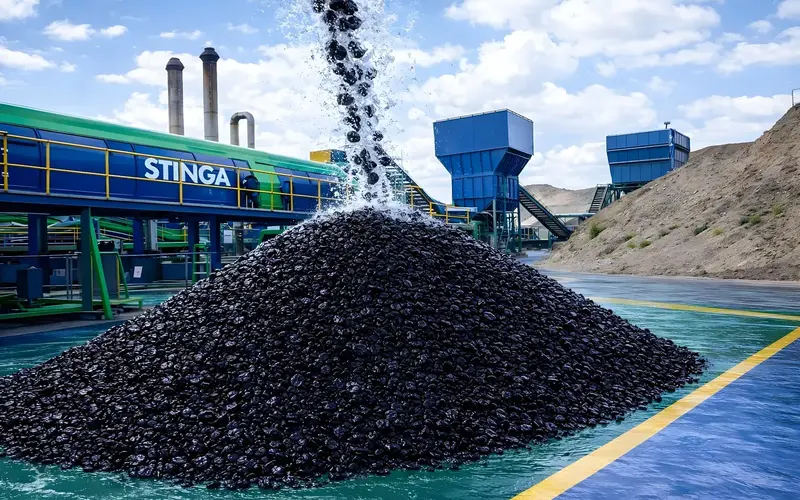 Mining Sector
Coal Drying Systems
Reduce coal with 55% moisture below inherent moisture. Maximize your sales value and calorific efficiency with permanent drying technology.
Poultry SectorPoultry Systems
Litter disposal and poultry house heating solutions. A fully integrated system that turns waste into revenue and energy into savings.
Industrial MineralBentonite Drying Systems
We reduce raw bentonite from the mine with 30% moisture to 10%. A product ready for crushing, screening, and cat litter packaging.
BiomassWood Chips Drying Systems
It dries pine wood chips with 55% moisture down to 5%. Convert wet wood chips into high-value biofuel.
LET'S CALCULATE THE MAXIMUM CAPACITY FOR YOU
We prepare a custom feasibility report based on your facility's daily sludge production amount.
Stinga — Single-Deck Sewage Sludge Drying System
SINGLE-DECK SYSTEM.5,000 KG/HOUR.
A high-capacity single-deck sewage sludge drying system in which the reactor and rotary kiln operate as a single system.
⚡ Fuel Selection and Capacity Relationship
The nominal operating capacities of our systems have been optimized for the use of externally sourced fuel with a value of 6,000 kcal/kg. When fuels with this calorific value are used, our machines operate at the committed maximum efficiency rates.
🔄 Use of Self-Produced Fuel (Recovery)
When the system uses the sewage sludge it has dried itself as fuel, the hourly consumption increases because the fuel’s calorific value is low. For example; while a drying capacity of 5,000 kg per hour in the single-deck system with 6,000 kcal fuel is achieved, using low-calorific sewage sludge reduces this capacity to 3,500 kg per hour. In terms of operational efficiency and high output rate, this method is not recommended by Stinga.
🏭 High-Value Biofuel (RDF) for Cement Plants
Stinga drying technology completes the "100% disposal" and "economic value" cycle in waste management as follows:
🌍 Sustainability and Carbon Footprint
💰 Biofuel Revenue Summary (Single-Deck System — 5,000 kg/h)
With hourly 5 ton/h capacity, 36 tons/24h of biofuel is produced daily from the remaining 30% after drying. Sales value per ton: 60 EUR (2026 reference)
⚖️ Cost Comparison with Natural Gas
How much would you pay if you used natural gas for the same 5,000 kg/hour drying process?
🏛️ Municipal Sewage Sludge Disposal Savings (Savings Analysis)
Metropolitan Municipalities and OSBs pay intermediary companies an average of 150 EUR per ton for the disposal of high-moisture sewage sludge. Thanks to the Stinga system's processing capacity, this amount is turned entirely into direct profit.
| Item | Daily | Monthly | Annual |
|---|---|---|---|
| Loading... | |||
📊 Gross Profit Calculation — Net Table After Expenses Deducted
When personnel, fuel, and electricity costs are deducted from biofuel sales revenue, the actual gross profit emerges. TL cells are calculated instantly with the live EUR exchange rate.
📐 Installation Site Requirements
The required plant area for the Single-Deck system is summarized below. The area must be open space, and the ground must be prepared as project-appropriate concrete.
Featured Features
The Power of the Single-Deck System
Single System
The reactor and rotary kiln operate as a single system.
Rapid Commissioning
It is installed on-site and starts operation with minimum preparation time.
Investment Optimization
One system for multiple facilities — spreads capital cost.
Autocritical Energy Cycle
The produced biofuel powers the system; dependence on external energy ends after the first ignition.
80%+ Volume Reduction
70% of the moisture is removed, and biofuel with 5% moisture and a thermal value of 3,500 kcal/kg is obtained. Cement plants use this fuel to achieve 100% disposal of waste.
134 Country Patent
Stinga technology is registered in 134 countries — industrial assurance and legal durability.
Media Gallery
Photo & Video
Based on TÜİK 2024 Data — Calculated by Population
Daily Sewage Sludge Generated in Türkiye
Daily wet sludge production estimate by province and the recommended Stinga system.
* Calculation: Municipal population × 0.25 kg/day → Daily wet sludge (tons). Actual values may vary by ±30% depending on plant type and population.
| # | PROVINCE | INSTITUTION | POPULATION (2024) | DAILY WET SLUDGE (ton) | 24H CAPACITY (kg/h) | RECOMMENDED SYSTEM | PIECE |
|---|
Total 0 province/municipality shown.
We Are Experts in Sewage Sludge.
Other Industries Also Prefer Us.
Mining SectorCoal Drying Systems
Reduce coal with 55% moisture below inherent moisture. Maximize your sales value and calorific efficiency with permanent drying technology.
Poultry SectorPoultry Systems
Litter disposal and poultry house heating solutions. A fully integrated system that turns waste into revenue and energy into savings.
Industrial MineralBentonite Drying Systems
We reduce raw bentonite from the mine with 30% moisture to 10%. A product ready for crushing, screening, and cat litter packaging.
BiomassWood Chips Drying Systems
It dries pine wood chips with 55% moisture down to 5%. Convert wet wood chips into high-value biofuel.
PLAN THE SINGLE-DECK SYSTEM YOUR WAY
Determine how many facilities you will serve and how often — let us prepare a custom usage plan for you.
Stinga Ø3400 — Reactor-Top Sewage Sludge Drying System
HIGH CAPACITY.COMPACT STRUCTURE. 3,500 KG/H.
A powerful reactor-top sewage sludge drying system for medium- and large-scale municipal and industrial facilities.
⚡ Fuel Selection and Capacity Relationship
The nominal operating capacities of our systems have been optimized for the use of externally sourced fuel with a value of 6,000 kcal/kg. When fuels with this calorific value are used, our machines operate at the committed maximum efficiency rates.
🔄 Use of Self-Produced Fuel (Recovery)
When the system uses the sewage sludge it has dried itself as fuel, the hourly consumption increases because the fuel’s calorific value is low. For example; while a drying capacity of 3,500 kg per hour in the Ø3400 system with 6,000 kcal fuel is achieved, using low-calorific sewage sludge reduces this capacity to 2,450 kg per hour. In terms of operational efficiency and high output rate, this method is not recommended by Stinga.
🏭 High-Value Biofuel (RDF) for Cement Plants
Stinga drying technology completes the "100% disposal" and "economic value" cycle in waste management as follows:
🌍 Sustainability and Carbon Footprint
💰 Biofuel Revenue Summary (Ø3400 Reactor — 3,500 kg/h)
With hourly 3.5 ton/h capacity, 25.2 tons/24h of biofuel is produced daily from the remaining 30% after drying. Sales value per ton: 60 EUR (2026 reference)
⚖️ Cost Comparison with Natural Gas
How much would you pay if you used natural gas for the same 3,500 kg/hour drying process?
🏛️ Municipal Sewage Sludge Disposal Savings (Savings Analysis)
Metropolitan Municipalities and OSBs pay intermediary companies an average of 150 EUR per ton for the disposal of high-moisture sewage sludge. Thanks to the Stinga system's processing capacity, this amount is turned entirely into direct profit.
| Item | Daily | Monthly | Annual |
|---|---|---|---|
| Loading... | |||
📊 Gross Profit Calculation — Net Table After Expenses Deducted
When personnel, fuel, and electricity costs are deducted from biofuel sales revenue, the actual gross profit emerges. TL cells are calculated instantly with the live EUR exchange rate.
📐 Installation Site Requirements
The required plant area for the Ø3400 Reactor-Top system is summarized below. The area must be open space, and the ground must be prepared as project-appropriate concrete.
Featured Features
Power and Compactness Together
High Processing Capacity
With a capacity of 3,500 kg/hour, 84 tons of wet sludge are processed per day.
Reactor-Top Integration
Installed on top of the existing reactor — no additional structure construction required.
Autocritical Energy Cycle
The produced biofuel powers the system; dependence on external energy ends after the first ignition.
Near-Zero Emissions
Operates far below EU emission limits with multi-stage filtration.
80%+ Volume Reduction
70% of the moisture is removed, and biofuel with 5% moisture and a thermal value of 3,500 kcal/kg is obtained. Cement plants use this fuel to achieve 100% disposal of waste.
134 Country Patent
Stinga technology is registered in 134 countries — industrial assurance and legal durability.
Media Gallery
Photo & Video
Based on TÜİK 2024 Data — Calculated by Population
Daily Sewage Sludge Generated in Türkiye
Daily wet sludge production estimate by province and the recommended Stinga system.
* Calculation: Municipal population × 0.25 kg/day → Daily wet sludge (tons). Actual values may vary by ±30% depending on plant type and population.
| # | PROVINCE | INSTITUTION | POPULATION (2024) | DAILY WET SLUDGE (ton) | 24H CAPACITY (kg/h) | RECOMMENDED SYSTEM | PIECE |
|---|
Total 0 province/municipality shown.
We Are Experts in Sewage Sludge.
Other Industries Also Prefer Us.
Mining SectorCoal Drying Systems
Reduce coal with 55% moisture below inherent moisture. Maximize your sales value and calorific efficiency with permanent drying technology.
Poultry SectorPoultry Systems
Litter disposal and poultry house heating solutions. A fully integrated system that turns waste into revenue and energy into savings.
Industrial MineralBentonite Drying Systems
We reduce raw bentonite from the mine with 30% moisture to 10%. A product ready for crushing, screening, and cat litter packaging.
BiomassWood Chips Drying Systems
It dries pine wood chips with 55% moisture down to 5%. Convert wet wood chips into high-value biofuel.
LET'S FIND THE RIGHT SOLUTION FOR YOUR PLANT TOGETHER
We prepare a free feasibility analysis based on your daily sludge production amount.
Stinga Ø2600 — Reactor-Top Sewage Sludge Drying System
MEDIUM SCALE.MAXIMUM CAPACITY. 2,000 KG/H.
A reactor-top sewage sludge drying system that offers balanced power and cost advantages for medium-sized municipal and industrial wastewater treatment plants.
⚡ Fuel Selection and Capacity Relationship
The nominal operating capacities of our systems have been optimized for the use of externally sourced fuel with a value of 6,000 kcal/kg. When fuels with this calorific value are used, our machines operate at the committed maximum efficiency rates.
🔄 Use of Self-Produced Fuel (Recovery)
When the system uses the sewage sludge it has dried itself as fuel, the hourly consumption increases because the fuel’s calorific value is low. For example; while a drying capacity of 2,000 kg per hour in the Ø2600 system with 6,000 kcal fuel is achieved, using low-calorific sewage sludge reduces this capacity to 1,400 kg per hour. In terms of operational efficiency and high output rate, this method is not recommended by Stinga.
🏭 High-Value Biofuel (RDF) for Cement Plants
Stinga drying technology completes the "100% disposal" and "economic value" cycle in waste management as follows:
🌍 Sustainability and Carbon Footprint
💰 Biofuel Revenue Summary (Ø2600 Reactor — 2,000 kg/h)
With hourly 2 ton/h capacity, 14.4 tons/24h of biofuel is produced daily from the remaining 30% after drying. Sales value per ton: 60 EUR (2026 reference)
⚖️ Cost Comparison with Natural Gas
How much would you pay if you used natural gas for the same 2,000 kg/hour drying process?
🏛️ Municipal Sewage Sludge Disposal Savings (Savings Analysis)
Metropolitan Municipalities and OSBs pay intermediary companies an average of 150 EUR per ton for the disposal of high-moisture sewage sludge. Thanks to the Stinga system's processing capacity, this amount is turned entirely into direct profit.
| Item | Daily | Monthly | Annual |
|---|---|---|---|
| Loading... | |||
📊 Gross Profit Calculation — Net Table After Expenses Deducted
When personnel, fuel, and electricity costs are deducted from biofuel sales revenue, the actual gross profit emerges. TL cells are calculated instantly with the live EUR exchange rate.
📐 Installation Site Requirements
The required plant area for the Ø2600 Reactor-Top system is summarized below. The area must be open space, and the ground must be prepared as project-appropriate concrete.
Featured Features
Balanced Power, Efficient Cost
Optimum Capacity
2,000 kg/hour and 48 tons per day — ideal balance for medium-sized facilities.
Fuel Efficiency
With fuel consumption of 80 kg/hour, the most competitive disposal cost per ton.
Reactor-Top Integration
Installed on top of the existing reactor — no additional structure construction required.
Autocritical Energy Cycle
The produced biofuel powers the system; dependence on external energy ends after the first ignition.
80%+ Volume Reduction
70% of the moisture is removed, and biofuel with 5% moisture and a thermal value of 3,500 kcal/kg is obtained. Cement plants use this fuel to achieve 100% disposal of waste.
134 Country Patent
Stinga technology is registered in 134 countries — industrial assurance and legal durability.
Media Gallery
Photo & Video
Based on TÜİK 2024 Data — Calculated by Population
Daily Sewage Sludge Generated in Türkiye
Daily wet sludge production estimate by province and the recommended Stinga system.
* Calculation: Municipal population × 0.25 kg/day → Daily wet sludge (tons). Actual values may vary by ±30% depending on plant type and population.
| # | PROVINCE | INSTITUTION | POPULATION (2024) | DAILY WET SLUDGE (ton) | 24H CAPACITY (kg/h) | RECOMMENDED SYSTEM | PIECE |
|---|
Total 0 province/municipality shown.
We Are Experts in Sewage Sludge.
Other Industries Also Prefer Us.
Mining SectorCoal Drying Systems
Reduce coal with 55% moisture below inherent moisture. Maximize your sales value and calorific efficiency with permanent drying technology.
Poultry SectorPoultry Systems
Litter disposal and poultry house heating solutions. A fully integrated system that turns waste into revenue and energy into savings.
Industrial MineralBentonite Drying Systems
We reduce raw bentonite from the mine with 30% moisture to 10%. A product ready for crushing, screening, and cat litter packaging.
BiomassWood Chips Drying Systems
It dries pine wood chips with 55% moisture down to 5%. Convert wet wood chips into high-value biofuel.
LET US INTRODUCE YOUR PLANT TO THIS SYSTEM
We prepare a free feasibility analysis for integration into your existing treatment plant.
Stinga Ø1500 — Reactor-Top Sewage Sludge Drying System
FOR SMALL AREA.BIG SOLUTION. 500 KG/H.
A compact, entry-level reactor-top sewage sludge drying system for small and medium-sized wastewater treatment plants.
⚡ Fuel Selection and Capacity Relationship
The nominal operating capacities of our systems have been optimized for the use of externally sourced fuel with a value of 6,000 kcal/kg. When fuels with this calorific value are used, our machines operate at the committed maximum efficiency rates.
🔄 Use of Self-Produced Fuel (Recovery)
If the system uses the sewage sludge it dries itself as fuel, the hourly consumption increases because the fuel's calorific value is low. For example; while 500 kg per hour in the Ø1500 system with 6,000 kcal fuel can be reached, using low-calorific sewage sludge reduces this capacity to 350 kg per hour. From the perspective of operational efficiency and high output speed, this method is not recommended by Stinga.
🏭 High-Value Biofuel (RDF) for Cement Plants
Stinga drying technology completes the "100% disposal" and "economic value" cycle in waste management as follows:
🌍 Sustainability and Carbon Footprint
💰 Biofuel Revenue Summary (Ø1500 Reactor — 500 kg/h)
With hourly 0.5 ton/h capacity, 3.6 tons/24h of biofuel is produced daily from the remaining 30% after drying. Sales value per ton: 60 EUR (2026 reference)
⚖️ Cost Comparison with Natural Gas
How much would you pay if you used natural gas for the same 500 kg/hour drying process?
🏛️ Municipal Sewage Sludge Disposal Savings (Savings Analysis)
Metropolitan Municipalities and OSBs pay intermediary companies an average of 150 EUR per ton for the disposal of high-moisture sewage sludge. Thanks to the Stinga system's processing capacity, this amount is turned entirely into direct profit.
| Item | Daily | Monthly | Annual |
|---|---|---|---|
| Loading... | |||
📊 Gross Profit Calculation — Net Table After Expenses Deducted
When personnel, fuel, and electricity costs are deducted from biofuel sales revenue, the actual gross profit emerges. TL cells are calculated instantly with the live EUR exchange rate.
📐 Installation Site Requirements
The required plant area for the Ø1500 Reactor-Top system is summarized below. The area must be open space, and the ground must be prepared as project-appropriate concrete.
Featured Features
Small Scale, High Efficiency
Compact Design
Easily integrated into small facilities with minimum space requirements.
Low Initial Cost
The most economical member of the Stinga product family — low initial investment.
Low Electricity Consumption
Highly economical operation with only 6.8 kW of power consumption.
Autocritical Energy Cycle
The produced biofuel powers the system; dependence on external energy ends after the first ignition.
Scalable
Option to transition to a higher model in the future — aligns with your growth plan.
134 Country Patent
Stinga technology is registered in 134 countries — industrial assurance and legal durability.
Media Gallery
Photo & Video
Based on TÜİK 2024 Data — Calculated by Population
Daily Sewage Sludge Generated in Türkiye
Daily wet sludge production estimate by province and the recommended Stinga system.
* Calculation: Municipal population × 0.25 kg/day → Daily wet sludge (tons). Actual values may vary by ±30% depending on plant type and population.
| # | PROVINCE | INSTITUTION | POPULATION (2024) | DAILY WET SLUDGE (ton) | 24H CAPACITY (kg/h) | RECOMMENDED SYSTEM | PIECE |
|---|
Total 0 province/municipality shown.
We Are Experts in Sewage Sludge.
Other Industries Also Prefer Us.
Mining SectorCoal Drying Systems
Reduce coal with 55% moisture below inherent moisture. Maximize your sales value and calorific efficiency with permanent drying technology.
Poultry SectorPoultry Systems
Litter disposal and poultry house heating solutions. A fully integrated system that turns waste into revenue and energy into savings.
Industrial MineralBentonite Drying Systems
We reduce raw bentonite from the mine with 30% moisture to 10%. A product ready for crushing, screening, and cat litter packaging.
BiomassWood Chips Drying Systems
It dries pine wood chips with 55% moisture down to 5%. Convert wet wood chips into high-value biofuel.
BIG SOLUTION FOR SMALL FACILITIES
Let's determine the most suitable system together based on your facility's daily sludge needs.
Stinga — Poultry House Heating System
WASTE HEAT.ZERO COST. MAXIMUM EFFICIENCY.
Waste heat from the Stinga reactor is directed directly to the poultry house. The 18–33 °C temperature range required for broiler houses is provided without any additional fuel expense.
🔥 From Reactor to Poultry House: Zero Additional Fuel
When the Stinga reactor is operating, waste heat ranging between 180–220 °C is generated in the stack line. This heat is directed directly to the poultry house through a hot air duct or piping network. Since the reactor is already running, no additional fuel cost is incurred.
🐔 Ideal Temperature Profile for Broiler Production
In poultry farming, a stable house temperature of 33 °C during the chick period and 18–21 °C during the growth period is critical. The Stinga waste heat system maintains this range continuously with automatic thermostat control.
💰 Savings Compared to Conventional Heating
🌍 Sustainability and Environmental Impact
No additional LPG, natural gas, or coal is burned to heat the poultry house. Using the heat already generated by the reactor reduces the facility's carbon footprint with no additional burden. Compatible with all Stinga reactor models (from Ø1500 to Double-Deck).
Featured Features
Why Should You Heat the Poultry House with Stinga Waste Heat?
Zero Additional Energy Cost
The reactor is already operating. The heat generated is directed to the poultry house — no extra fuel, no extra cost.
Ideal Temperature for Broilers
The optimum temperature is maintained automatically: 33 °C in the chicks' 1st week and 18–21 °C in the adult stage.
Litter Dryness
Dry hot air balances the humidity inside the poultry house; ammonia generation and disease risk are significantly reduced.
Zero Additional Emissions
No additional LPG, natural gas, or coal is burned to heat the poultry house — the carbon footprint does not increase.
Production Efficiency Increases
In a stable and comfortable temperature environment, feed conversion ratio improves and mortality decreases.
Compatible with All Stinga Reactors
From Ø1500 to the double-deck system, every model supports this integration — additional investment is minimal.
Media Gallery
Photo & Video
We Are Experts in Poultry Farming.
Other Industries Also Prefer Us.
Sewage Sludge SectorSewage Sludge Disposal Systems
We reduce 75% moisture sewage sludge to 1-5% moisture. Complete disposal; the dried sludge generates revenue as biofuel.
Mining SectorCoal Drying Systems
Reduce coal with 55% moisture below inherent moisture. Maximize your sales value and calorific efficiency with permanent drying technology.
Industrial MineralBentonite Drying Systems
We reduce raw bentonite from the mine with 30% moisture to 10%. A product ready for crushing, screening, and cat litter packaging.
BiomassWood Chips Drying Systems
It dries pine wood chips with 55% moisture down to 5%. Convert wet wood chips into high-value biofuel.
LET'S REDUCE YOUR HEATING BILL TO ZERO
We prepare a free feasibility analysis for poultry house heating integration into your existing or planned Stinga system.
Stinga — Broiler and Layer Hen Litter Disposal System
LITTER IS NOT A PROBLEM.TURN IT INTO A GAIN. BROILER & LAYER HEN.
Broiler and layer litter is dried in the Stinga reactor and its volume is reduced by over 90%. Separate analysis and capacity planning are offered for both litter types.
🐓 Broiler (Meat Chicken) Litter
Source and Structure: Broiler houses undergo bulk cleaning (flush-out) at the end of the growing cycle (generally every 6–7 weeks). Litter consists of a mixture of sawdust, coarse wood shavings, or rice husks with manure. Moisture content is 50–65%. With high organic matter intensity and nitrogen content (3–5%), it is also valuable as fertilizer.
Processing with Stinga: A 1,000 kg/hour capacity system processes 24 tons of broiler litter per day. The output is converted into a sterile, pellet-compatible dry product with 10–15% moisture content. The house is fully cleaned between batches, eliminating health risks.
Revenue Potential (Broiler): 24 tons/day of wet litter → approximately 10–11 tons/day of dry output. At an average sales price of 40 EUR/ton, daily ~420 EUR, annual (333 days) ~140,000 EUR gross revenue.
🥚 Laying Hen Litter
Source and Structure: Because layer hens are in continuous production throughout the year, the litter accumulation pattern is different. In cage belt systems, manure is collected daily; in floor houses, cleaning is performed every 3–6 months. With a moisture content of 40–55%, it is lower than broiler litter, while the organic load is dense (nitrogen 4–7%). Ammonia emissions are higher — therefore rapid processing is critical.
Processing with Stinga: The continuous-feed compatible system processes wet material coming from the belt discharge without interruption. The oxygen-free thermal process in the Stinga reactor eliminates ammonia and harmful gases. The output can be marketed as compost, organic fertilizer, or biochar feedstock.
Revenue Potential (Layer): Due to its high nitrogen content, layer litter output can achieve premium pricing in the organic fertilizer market at 45 EUR–55/ton. 10 tons/day output × 50 EUR = daily ~500 EUR, annual ~166,500 EUR.
📊 Comparative Summary of Two Types
| Parameter | 🐓 Broiler | 🥚 Layer |
|---|---|---|
| Input Moisture | %50–65 | %40–55 |
| Nitrogen Content | %3–5 | 4%–7% (High) |
| Cleaning Frequency | once every 6–7 weeks | Daily / once every 3–6 months |
| Ammonia Risk | Medium | High → Emergency Processing |
| Output Sale Price | 30 EUR–50/ton | 45 EUR–55/ton (Premium) |
| Estimated Annual Revenue | ~140.000 EUR | ~166.500 EUR |
* 1,000 kg/h capacity · 24 hours · 333 days/year. Output ~10–11 tons/day. Prices vary according to market conditions.
🌍 Environmental and Regulatory Compliance
Stinga — Broiler and Layer Hen Litter Disposal System
LITTER IS NOT A PROBLEM.TURN IT INTO A GAIN. BROILER & LAYER HEN.
Broiler and layer litter is dried in the Stinga reactor and its volume is reduced by over 90%. Separate analysis and capacity planning are offered for both litter types.
Featured Features
Stinga Difference in Litter Disposal
Pathogen-Free Output
High-temperature processing completely eliminates Salmonella, E. coli, and other pathogens — sterile, safe output.
Output Turns Into Revenue
Sterile dry litter can be sold as fertilizer raw material; disposal cost turns into revenue.
Odor Free
With multi-stage filtration, ammonia and bad odor are completely eliminated — no neighborhood issue arises.
Autocritical Energy Cycle
The organic content of the litter is partially used as fuel; dependence on external energy is minimized.
90%+ Volume Reduction
Storage and transportation costs drop dramatically; on-farm space usage improves.
Regulatory Compliance Assurance
Full compliance with Livestock Waste Regulations and EU standards — penalties and inspection risks are eliminated.
Media Gallery
Photo & Video
We Are Experts in Poultry Farming.
Other Industries Also Prefer Us.
Sewage Sludge SectorSewage Sludge Disposal Systems
We reduce 75% moisture sewage sludge to 1-5% moisture. Complete disposal; the dried sludge generates revenue as biofuel.
Mining SectorCoal Drying Systems
Reduce coal with 55% moisture below inherent moisture. Maximize your sales value and calorific efficiency with permanent drying technology.
Industrial MineralBentonite Drying Systems
We reduce raw bentonite from the mine with 30% moisture to 10%. A product ready for crushing, screening, and cat litter packaging.
BiomassWood Chips Drying Systems
It dries pine wood chips with 55% moisture down to 5%. Convert wet wood chips into high-value biofuel.
TURN YOUR LITTER FROM A PROBLEM INTO A GAIN
Capacity, revenue, and feasibility analysis for broiler and layer litter — free, tailored to your farm.
| Parameter | 🏭 Double-Deck 10,000 kg/h |
🏭 Single-Deck 5,000 kg/h |
⚙️ Ø3400 3,500 kg/h |
⚙️ Ø2600 2,000 kg/h |
⚙️ Ø1500 500 kg/h |
⛏️ Coal Double-Deck 30,000 kg/h |
🐔 Poultry House Heating Waste Heat |
♻️ Poultry litter 1,000 kg/h |
|---|---|---|---|---|---|---|---|---|
| 📊 CAPACITY & TECHNICAL | ||||||||
| Inlet moisture | %75 | %75 | %75 | %75 | %75 | %55 | — | %50–65 |
| Outlet moisture | %1–5 | %1–5 | %1–5 | %1–5 | %1–5 | 3% (permanent) | — | %10–15 |
| Fuel consumption | 240 kg/h | 150 kg/h | 150 kg/h | 80 kg/h | 15 kg/h | 240 kg/h | ≈ 0 EUR | 30 kg/h |
| Emissions | ≈ 0 | ≈ 0 | ≈ 0 | ≈ 0 | ≈ 0 | ≈ 0 | Zero additional | ≈ 0 |
| Installation Type | Fixed | Single-Deck 🏭 | Reactor-Top | Reactor-Top | Reactor-Top | Fixed / Single-Deck | Integration | Reactor-Top |
| 💰 REVENUE & SAVINGS | ||||||||
| Biofuel (RDF) Revenue | ✔ | ✔ | ✔ | ✔ | ✔ | — | — | — |
| Disposal savings | 150 EUR/ton | 150 EUR/ton | 150 EUR/ton | 150 EUR/ton | 150 EUR/ton | — | 80% savings | Fertilizer Sales |
| Calorific Value Gain | — | — | — | — | — | +2,600 kcal/kg | — | — |
| 🎯 WHO IS IT FOR? | ||||||||
| Target | Large Municipality | Multi-Site OIZ | Medium Municipality | Small-medium | Small Facility | Mine, Thermal Power | Broiler operation | Poultry farm |
| 134 Country Patent | ✔ | ✔ | ✔ | ✔ | ✔ | ✔ | ✔ | ✔ |
| Calculate ROI | 📊 Make a detailed calculation on the /yatirim-hesaplayici page → | |||||||
We Value Your Privacy
Your information is safe with us
Your personal information such as the name, email, or phone number you share is used only to respond to your request. We never sell, rent, or share this information with third parties without authorization.
For details: KVKK Information Text · Privacy Policy

Use Stinga Like an App
Add to home screen, open full screen. 2 taps.